Machine Learning Unlocks the Hidden Atomic Defect Dynamics in Curing Polymers
Combining complex-systems analysis with advanced machine learning reveals how molecular side groups drive electrical relaxation in bio-based plastics.
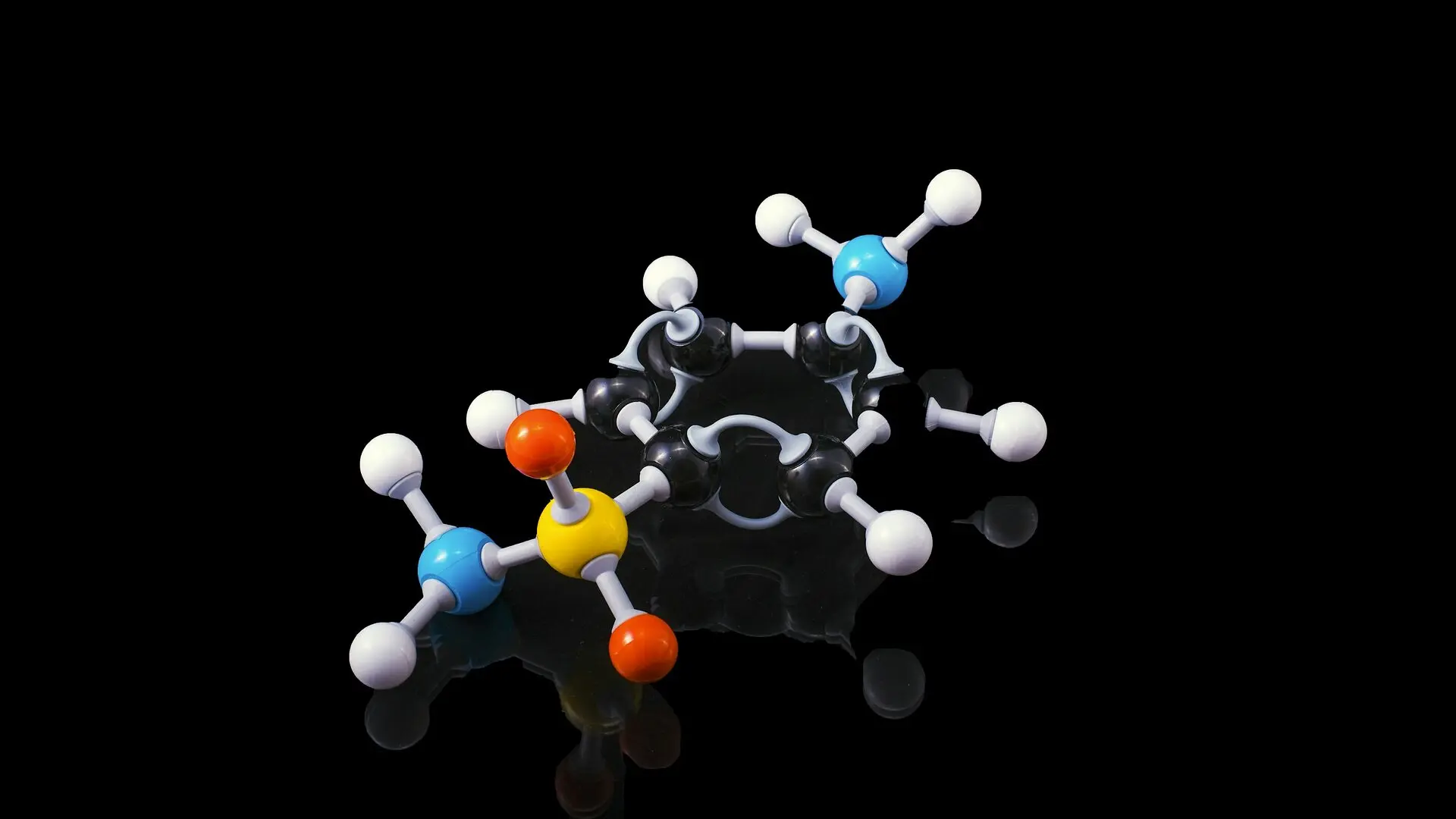
When ultraviolet light hits a liquid mixture of bio-based soybean oil and vanillin derivatives, it triggers a rapid chemical chain reaction that transforms the fluid into a cross-linked solid polymer within tens of seconds. Researchers tracking this transition have uncovered how molecular groups rearrange themselves during the curing process, blending complex-systems theory with machine learning models to map the invisible energetic barriers holding polymer networks together.
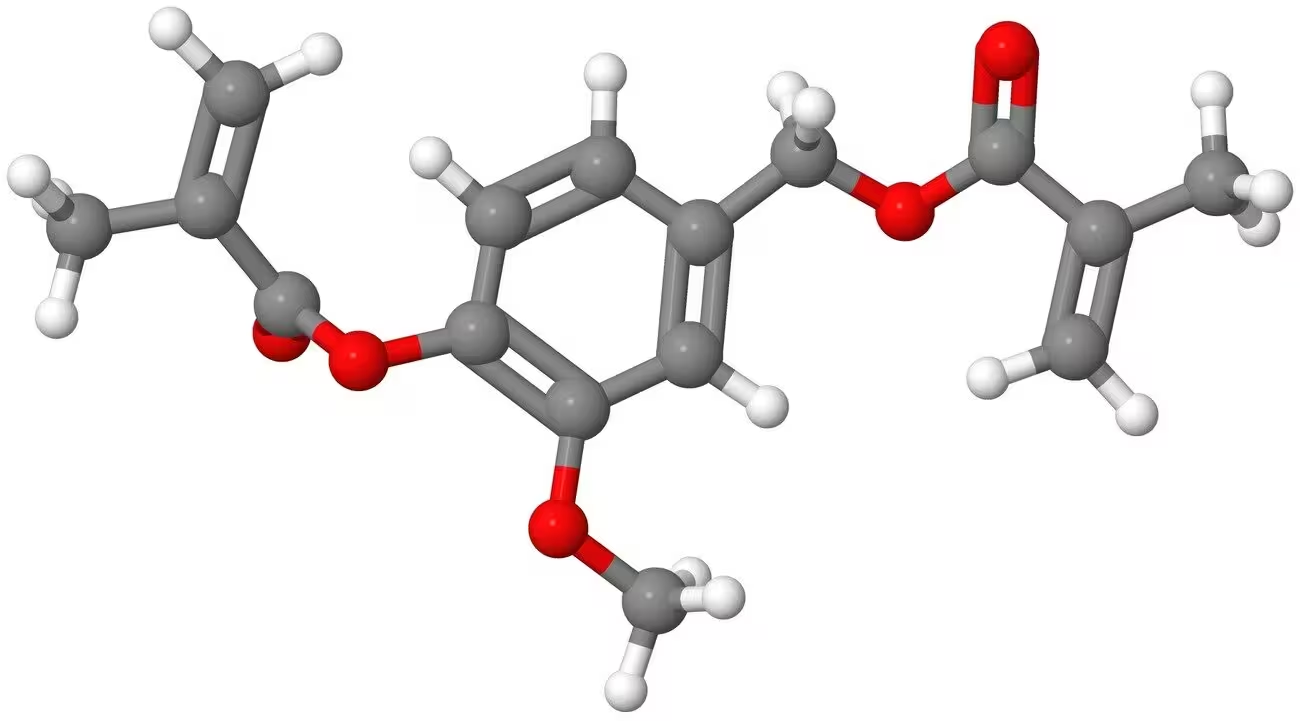
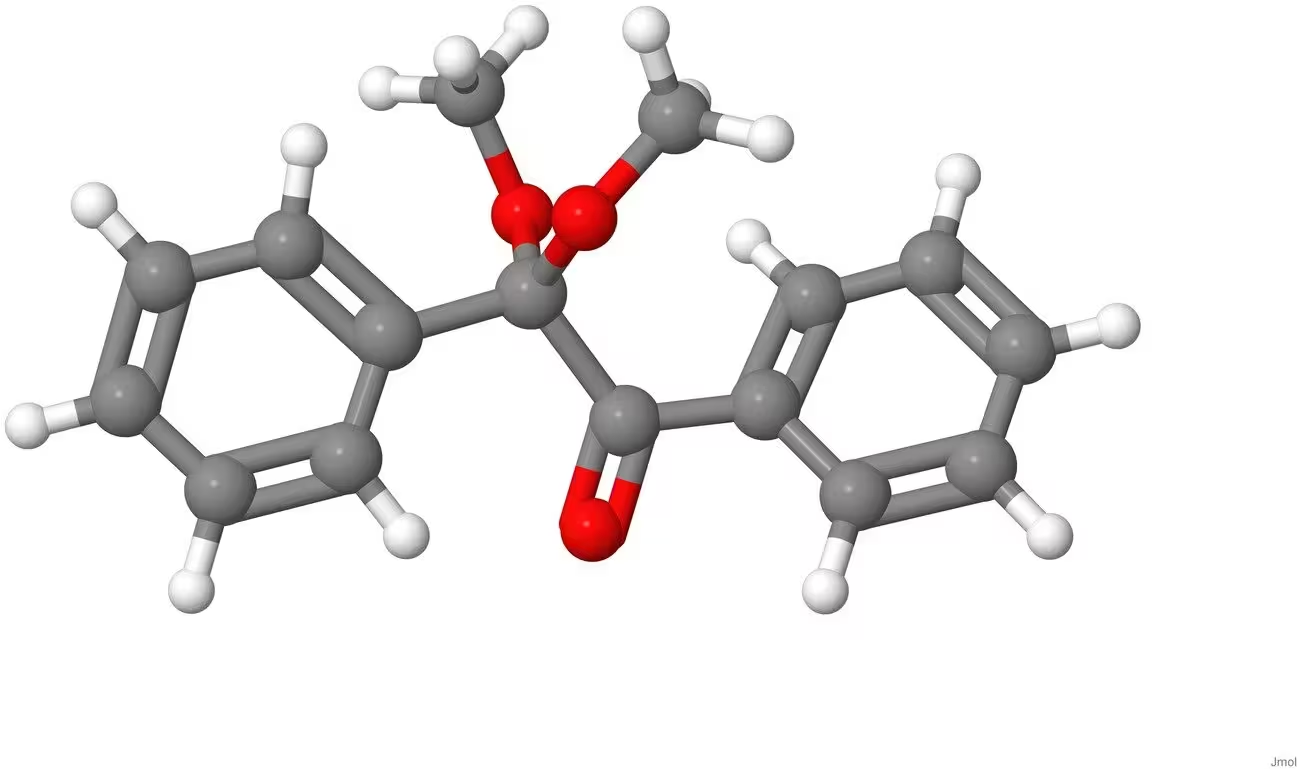
The work, available on the arXiv preprint server, was conducted by Arnold Kiv and colleagues to investigate how materials change their electrical response when exposed to light. Polymers are intricate materials whose macroscopic traits stem from a hierarchy of structural levels, ranging from individual chemical bonds up to massive three-dimensional networks. To observe these shifts in real time, the team exposed a mixture of acrylated epoxidized soybean oil and vanillin dimethacrylate, containing a light-sensitive chemical called a photoinitiator, to a structured sequence of ultraviolet flashes.
How Intermittent Ultraviolet Pulses Reveal Cooperative Molecular Motion
During the experiments, the researchers measured the real and imaginary parts of the dielectric permittivity, which describes how a material stores and loses electrical energy in an electric field. The illumination followed a strict protocol. It started with short one-second light pulses separated by expanding dark intervals, moved to ten-second pulses, and finally shifted to continuous illumination spanning roughly 8,000 seconds total.
To interpret the resulting electrical noise and fluctuations, the team turned to tools from complex-systems theory. They calculated the sliding-window Shannon entropy, which measures the unpredictability of a signal, alongside the Grassberger-Procaccia correlation integral, which tracks self-organization and clustering in phase space. The results demonstrated that every initial flash of light triggers a sharp surge in correlation accompanied by a sudden drop in entropy.
The authors note that this saw-tooth behavior indicates strongly correlated, collective motion where large numbers of atoms move in tandem during the early stages of network formation. As curing progresses and cross-links multiply, the system locks up. Under continuous illumination, the bursts fade away, entropy returns to higher levels, and only localized atomic rotations remain active.
Machine Learning Force Fields Map Hidden Energy Landscapes
To understand what is happening at the atomic scale, the investigators analyzed the rotational mobility of specific side groups attached to the main polymer chain, treating them as orientational defects. Originally conceptualized to describe anomalies in ice and crystalline semiconductors, orientational defects represent local regions where atomic groups are twisted away from their regular alignment. Calculating the energy required to rotate these groups is normally computationally prohibitive using standard quantum mechanics.
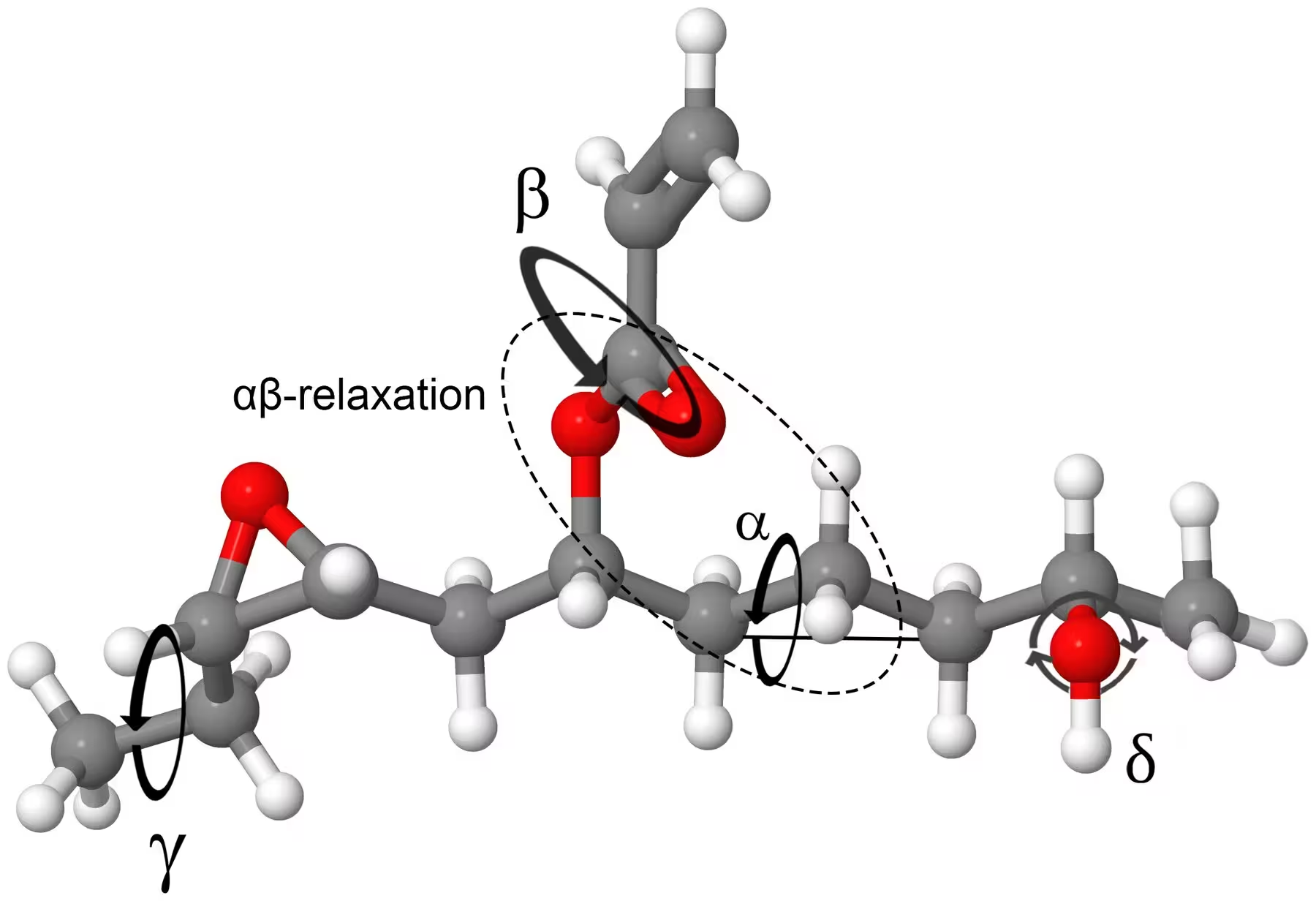
To bypass this hurdle, the team deployed the MACE-OFF23 machine learning interatomic potential, an advanced neural network architecture trained on extensive quantum-chemical databases. Without any system-specific retraining, the machine learning model mapped the relaxed rotational energy profiles of five distinct molecular modes within an acrylated epoxidized soybean oil fragment, comparing the outputs against reference calculations performed using density functional theory.
The machine learning pipeline accurately reproduced the hierarchy of rotational energy barriers established by quantum reference methods. The barriers ranged from roughly 2.9 electronvolts for a constrained main-chain segment rotation down to 0.54 to 0.81 electronvolts for acrylate group rotations, and as low as 0.06 to 0.18 electronvolts for rapid methyl and hydroxyl group turns. Although the model systematically underestimated the barrier heights by three to twenty percent, it successfully captured the overall shape and sequence of every profile with high statistical correlation.
Connecting Computed Barriers to Experimental Frequencies
By applying an Arrhenius equation relating thermal energy and molecular relaxation times, the authors linked their computed energy barriers directly to the experimental frequency window of 500 to 5,000 hertz. The calculations indicate that the intermediate acrylate group rotations sit directly within the frequency range probed by the dielectric measurements, making them the primary drivers of the observed electrical relaxation during curing.
Meanwhile, the smaller methyl and hydroxyl rotors possess much lower barriers corresponding to relaxation times in the gigahertz to terahertz range. At the frequencies used in the laboratory setup, these rapid rotors act virtually instantaneously and contribute solely to the high-frequency background permittivity.
The authors acknowledge several limitations in the current study, noting that the simulations focused on a single isolated molecular fragment rather than a fully packed polymer matrix complete with neighboring chains and free volume. Future improvements will involve calculating true saddle points with entropic contributions and expanding the models to finite-temperature molecular dynamics simulations, paving the way for the rational design of sustainable, bio-based polymers tailored for advanced electronic and structural applications.
The study was posted to the arXiv preprint server on November 18, 2026.
This article has been fact checked for accuracy, with information verified against reputable sources. Learn more about us and our editorial process.
Last reviewed on .
Article history
- Latest version
Reference(s)
- Kiv, Arnold., et al. “Machine Learning Interatomic Potentials and Orientational Defects in Polymers.” NATO Science for Peace and Security Series B: Physics and Biophysics, July 25, 2025, pp. 91-104. Springer Netherlands, doi: 10.1007/978-94-024-2316-7_6. <https://doi.org/10.1007/978-94-024-2316-7_6>.
Cite this page:
- Posted by Bilal Abbasi