Hidden Vaginal Bacteria Strain Discovered in Pregnant Women
Whole-genome sequencing reveals a beneficial microbe that produces high levels of lactic acid and fights common pathogens.

A previously undocumented bacterial strain found in pregnant women suggests that certain beneficial vaginal microbes may play a crucial role in maintaining reproductive health and keeping harmful pathogens at bay.
Rare Bacterial Strain Sequenced from Human Vaginal Microbiota
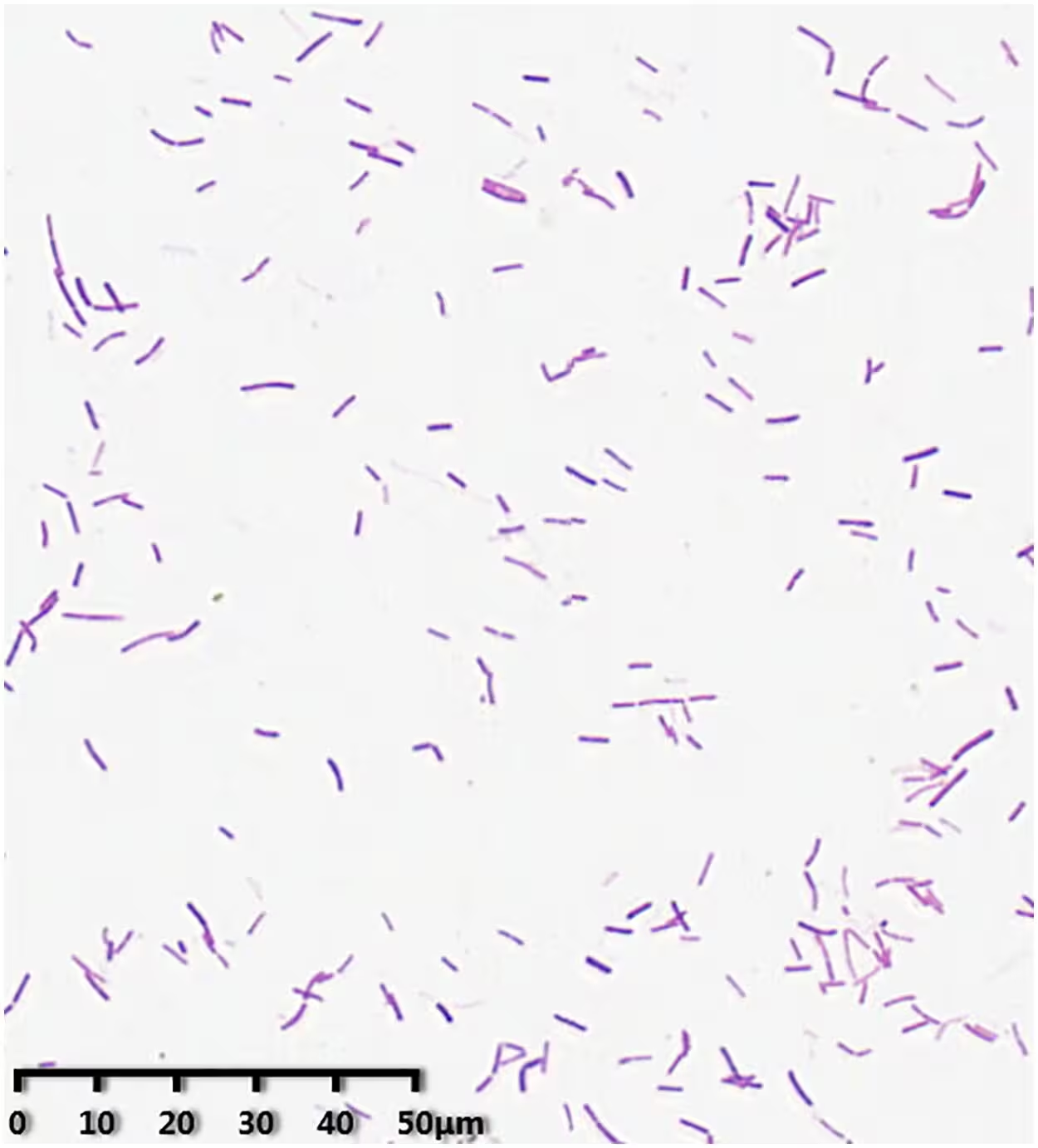
Researchers investigating the microbial communities of expectant mothers successfully isolated and fully sequenced a strain of Lactobacillus delbrueckii subsp. sunkii, a subspecies previously known almost exclusively from fermented foods and pickles. The study, published in PLOS One, provides the first detailed look at the biological and genomic characteristics of this specific bacterium when it colonizes the human body. The team obtained samples from 15 healthy third-trimester pregnant women aged 25 to 35 years at a hospital in Shenzhen, China, between September and November 2020.
While most scientific research on this bacterial species has historically focused on yogurt cultures and industrial applications, this new work highlights its presence in human urogenital tracts. Using advanced mass spectrometry and 16S ribosomal RNA gene sequencing, the authors identified the isolate as Lactobacillus delbrueckii subsp. sunkii WuYi 2021-1. Whole-genome sequencing revealed a genome size of 2,076,116 base pairs with a GC content of 50 percent and high completeness.
Cellular Features and Powerful Acid Production
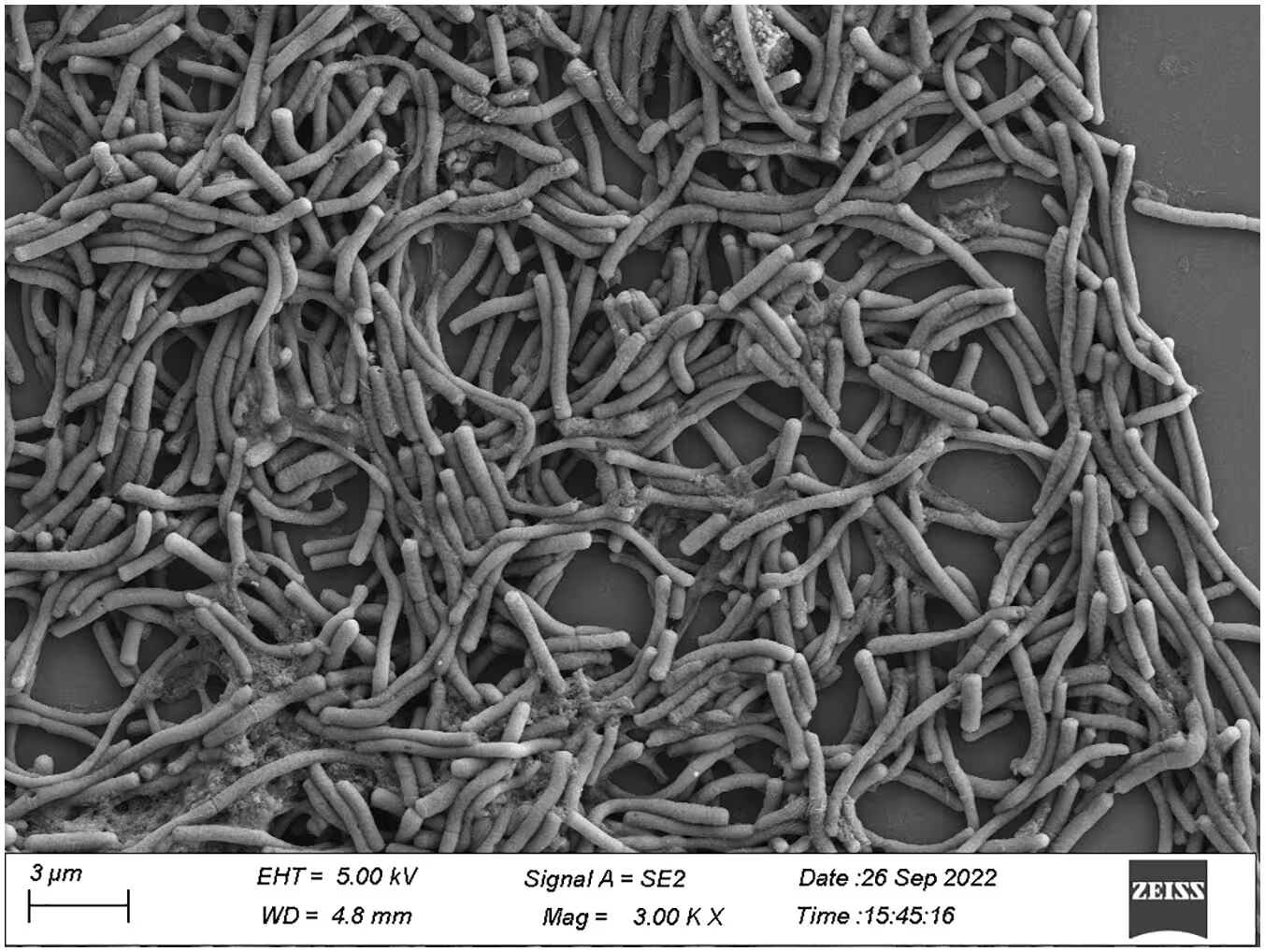
Scanning electron microscopy showed that the bacterial cells measure between 1 and 10 micrometers in length, featuring distinctive surface structures including sparse fimbriae and concave pores at one pole. Unlike some related strains, this human-derived isolate tested negative in hydrogen peroxide assays. However, laboratory tests demonstrated an impressive capacity to ferment carbohydrates and produce large amounts of lactic acid.
When cultured in nutrient broth, the bacteria lowered the surrounding pH from 7.8 down to 4.0 while consuming significant amounts of glucose. This sharp drop in pH creates an acidic environment that inhibits the growth of common infectious agents. In co-culture experiments, the strain displayed clear antibacterial activity, visibly suppressing the proliferation of dangerous pathogens such as Escherichia coli, Staphylococcus aureus, and Streptococcus agalactiae.
Antibiotic Susceptibility and Safety Profile
Antimicrobial susceptibility testing across 20 common pharmaceutical agents revealed that the bacterium is sensitive to seven tested antibiotics, including ampicillin, penicillin, vancomycin, and linezolid. The isolate showed resistance only to sulfonamide medications in both disk diffusion and dilution assays. Genomic screening against virulence factor databases found no core pathogenic traits, supporting its classification as a non-pathogenic, probiotic organism.
The authors note that broad-spectrum antibiotic use during pregnancy could inadvertently harm these beneficial microbial populations, potentially disrupting the natural balance of vaginal flora and increasing susceptibility to inflammation. Because the current findings are based on in vitro laboratory tests, the team emphasizes that future animal model studies will be necessary to fully replicate and understand how these bacteria interact with the complex human mucosal environment.
The research was published in PLOS One on November 18, 2026.
This article has been fact checked for accuracy, with information verified against reputable sources. Learn more about us and our editorial process.
Last reviewed on .
Article history
- Latest version
Reference(s)
- Wu, Yi., et al. “Analysis of the biological characteristics and gene function of Lactobacillus delbrueckii subsp. sunkii.” PLOS One, vol. 21, no. 11, November 18, 2026, pp. e0363225 Public Library of Science (PLoS), doi: 10.1371/journal.pone.0363225. <https://doi.org/10.1371/journal.pone.0363225>.
Cite this page:
- Posted by Faisal Qureshi