Scientists Discovered a New Species of Cricket Hiding in an Artificial Greek Tunnel
Biologists are closely monitoring this region due to its remarkable and unusual diversity of invertebrate species.
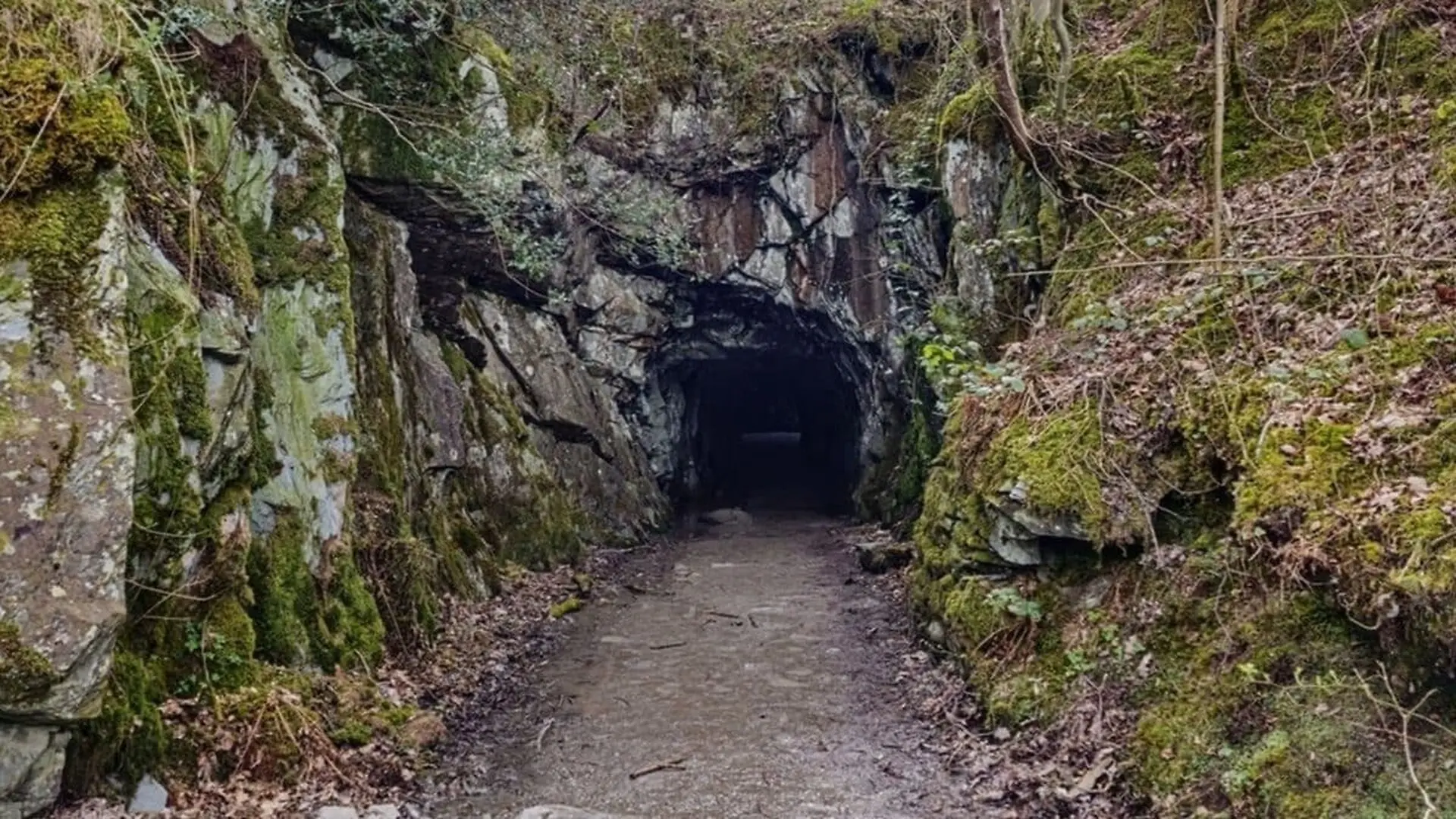
Scientists exploring a subterranean tunnel on the small Greek island of Kastellorizo have identified a previously unknown species of cave cricket. The insect, which has been formally named Dolichopoda balrogi in a nod to the iconic fiery demon from J.R.R. Tolkien’s The Lord of the Rings, was discovered hiding in plain sight within a man-made structure.
Kastellorizo, a compact island measuring approximately six by three kilometers off the southeastern coast of Greece, has long been a subject of interest for biologists due to its surprising wealth of invertebrate life, including various beetles, scorpions, and isopods. Researchers investigating the island’s subterranean ecology turned their focus to a 25-meter-deep tunnel carved into the slopes of Mount Vigla, initially expecting to study local cave-dwelling fauna.
An Unexpected Discovery in a Man-Made Tunnel
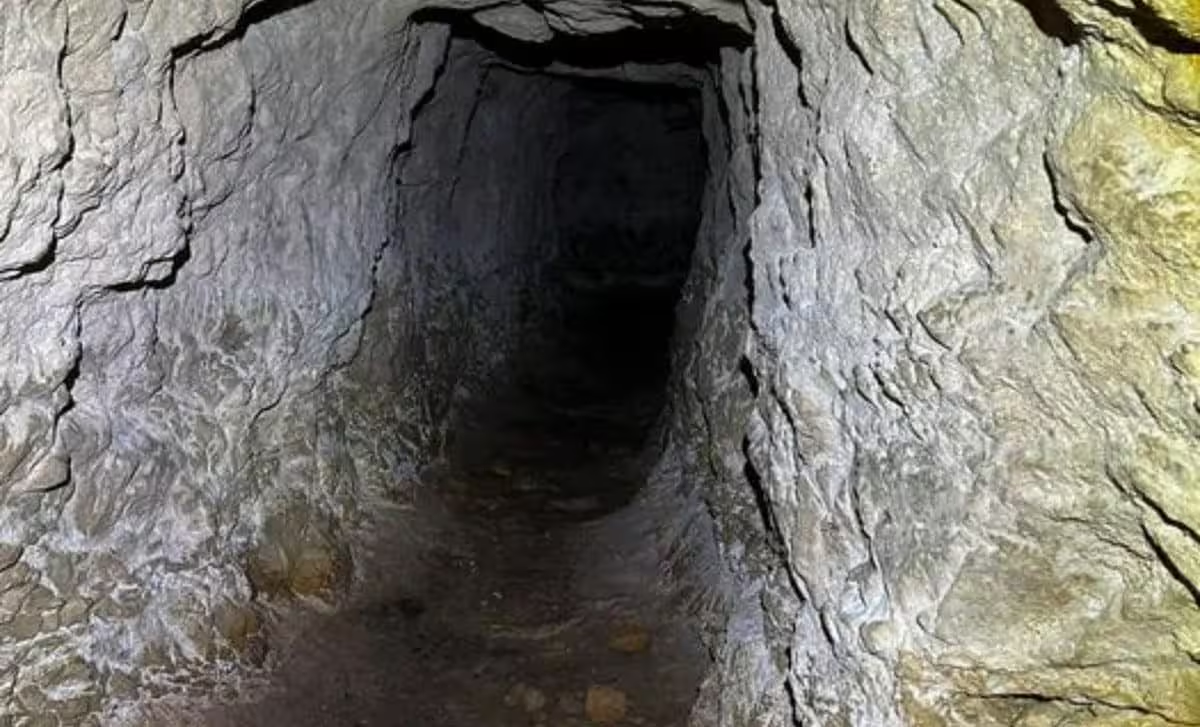
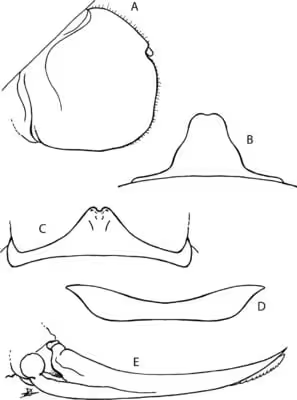
Upon entering the artificial passage, the team encountered a population of crickets that appeared perfectly adapted to the dim, damp environment. Subsequent morphological analysis and DNA sequencing confirmed that the specimens represented a distinct, undocumented species, leading to their formal description in the Journal of Orthoptera Research.
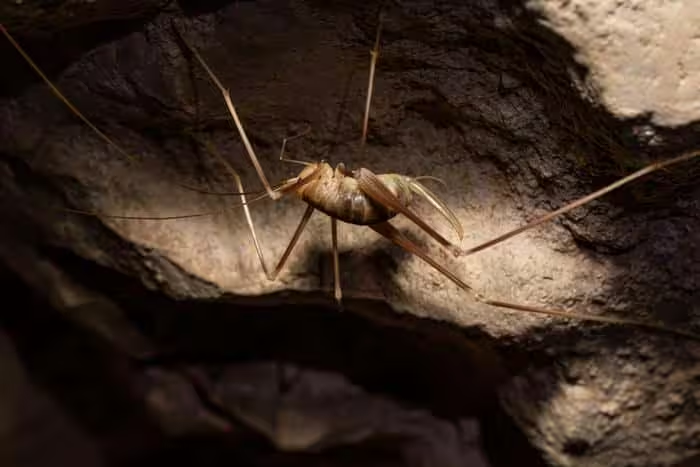
The cricket is characterized by a brown body and elongated, curved limbs, which provide the grip necessary to traverse the vertical and overhead surfaces of the tunnel. It is the latest addition to the Dolichopoda genus, a group of specialized crickets that thrive in the lightless, humid environments of southern Europe and the Mediterranean. With this discovery, the genus now totals 68 recognized species, with Greece serving as a biodiversity hotspot that hosts 51 of them.
The Hidden Life of Subterranean Habitats
While the name balrogi evokes imagery of destructive, fiery power, the real-world insect is a harmless organism finely tuned to a life of total darkness. Researchers suggest the discovery serves as a vital reminder that significant biological findings are not restricted to remote jungles or the deep sea; even human-engineered sites in familiar landscapes can harbor specialized species that have eluded scientific notice.
“These findings remind us that biodiversity discoveries are not limited to remote tropical forests or deep oceans. Even familiar landscapes and human-made structures can harbour species that have remained unnoticed,” noted researcher Konstantinos Kalaentzis.
Future Conservation Priorities
The narrow ecological niches occupied by cave-dwelling insects make them particularly sensitive to environmental shifts. Because many such species are endemic to a single cave or a small, isolated underground network, fluctuations in temperature or humidity pose a direct threat to their survival.
The research team is now calling for specialized surveys of other potential caves on the island to determine if the population is limited to the Mount Vigla tunnel or if it has a broader, yet hidden, distribution. Establishing effective conservation strategies to protect these fragile, site-specific habitats remains a priority for the scientific community.
This article has been fact checked for accuracy, with information verified against reputable sources. Learn more about us and our editorial process.
Last reviewed on .
Article history
- Latest version
Reference(s)
- Kalaentzis, Konstantinos. “Delving too deep: Morphological and molecular description of the cave-dwelling Dolichopoda balrogi sp. nov. (Orthoptera, Rhaphidophoridae) from Kastellorizo Island, Greece.”, vol. 35, no. 2, May 27, 2026, pp. 259-266. Pensoft Publishers, doi: PropertyValue. <https://jor.pensoft.net/article/187943/>.
- <https://www.researchgate.net/profile/Konstantinos-Kalaentzis>.
Cite this page:
- Posted by Elizabeth Taylor