Archaeologists Discover 4,000 Year Old Dog Paw Print Pressed Into Ancient Turkish Brick
Archaeologists in Turkey have discovered an ancient brick bearing accidental paw prints, offering a rare and charming glimpse into life thousands of years ago.
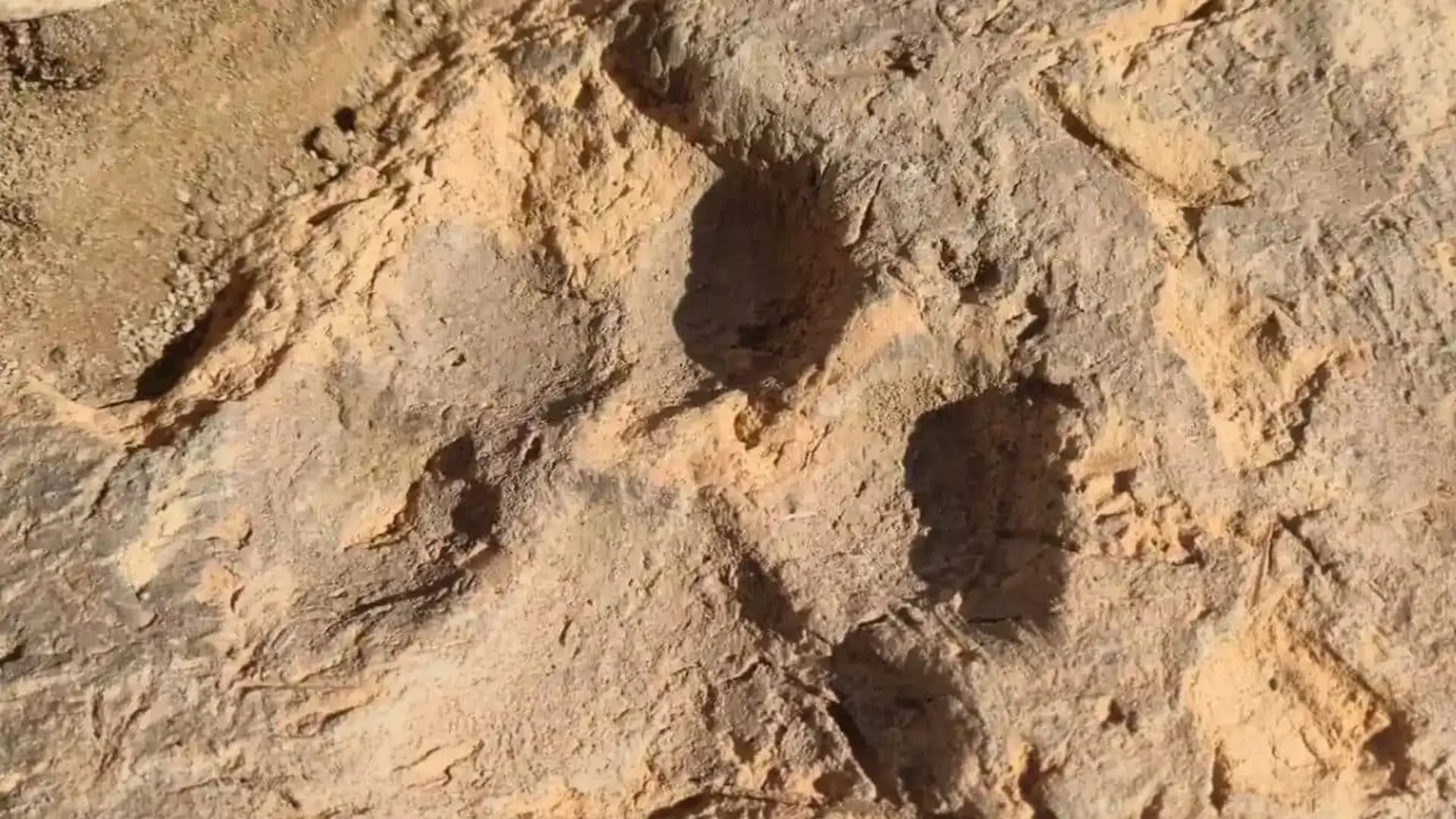
Archaeologists working at the Tavşanlı Höyük site in western Turkey have uncovered a poignant remnant of Bronze Age life: a mudbrick bearing the clear, indelible impression of a dog’s paw. The artifact was recovered from the ruins of a residential structure that was destroyed by fire approximately 4,000 years ago, serving as a frozen moment of interaction between humans and their canine companions long before the dawn of modern history.
The settlement at Tavşanlı Höyük, a vast hilltop location established roughly 8,000 years ago, has become a focal point for understanding early human development in Anatolia. According to Professor Dr. Erkan Fidan, who directs the ongoing excavations, the discovery likely occurred when a curious dog wandered across a batch of wet, sun-drying mudbricks, inadvertently stamping its footprint into the building material before it was integrated into the home’s walls.
A Timeless Bond
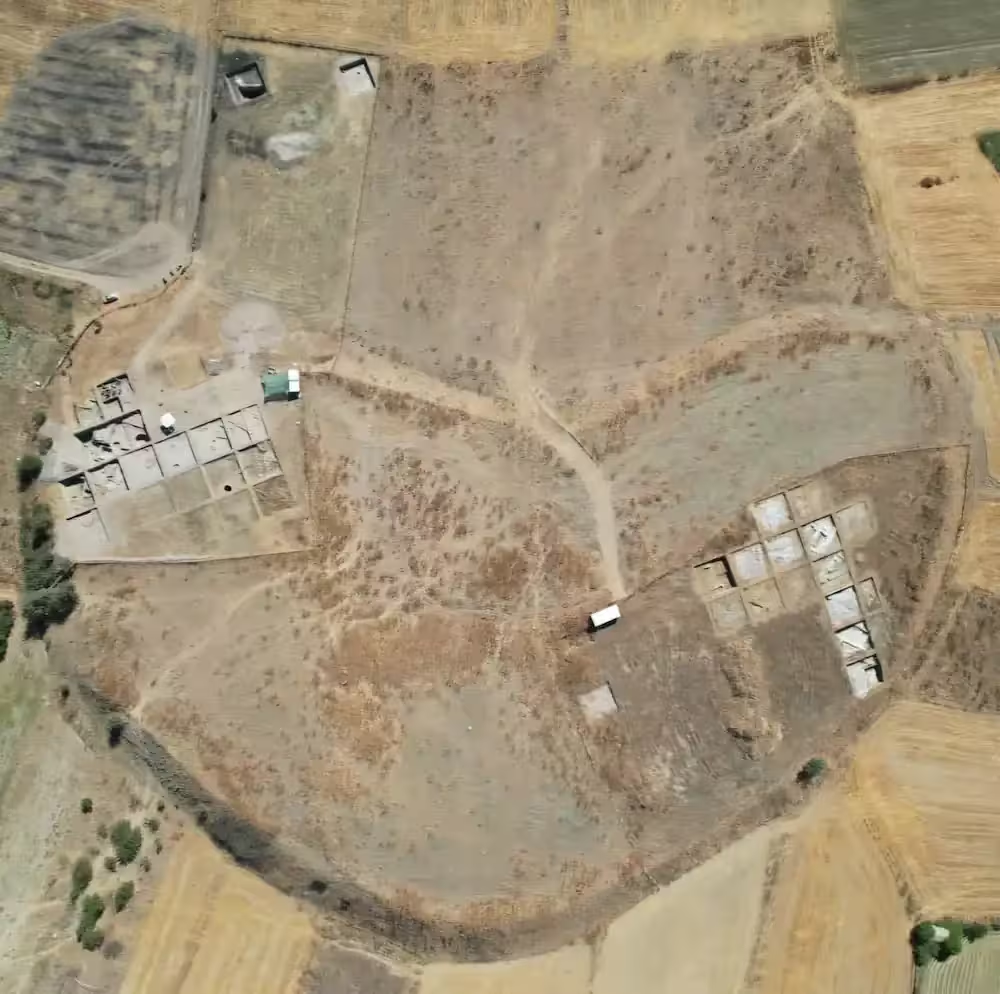
While the exact nature of the relationship—whether the animal was a household pet or a semi-feral presence—remains a subject of scholarly debate, the find underscores the long-standing integration of dogs into Anatolian society. Fidan noted that while they cannot definitively label the animal a “pet” by modern standards, the paw print represents a direct and intimate connection to the daily lives of people living four millennia ago.
This discovery fits into a broader, deeper historical context regarding the domestication of canids in the region. Recent research published in the journal Nature highlighted the presence of genetically confirmed domestic dogs at the site of Pınarbaşı, dating back as far as 15,800 years. Evidence from nearby Neolithic sites, such as Boncuklu, where dogs have been discovered interred alongside human remains, suggests that these animals were valued for companionship and communal life, rather than being restricted to utilitarian roles like hunting or guarding.
Evidence Across Eurasia
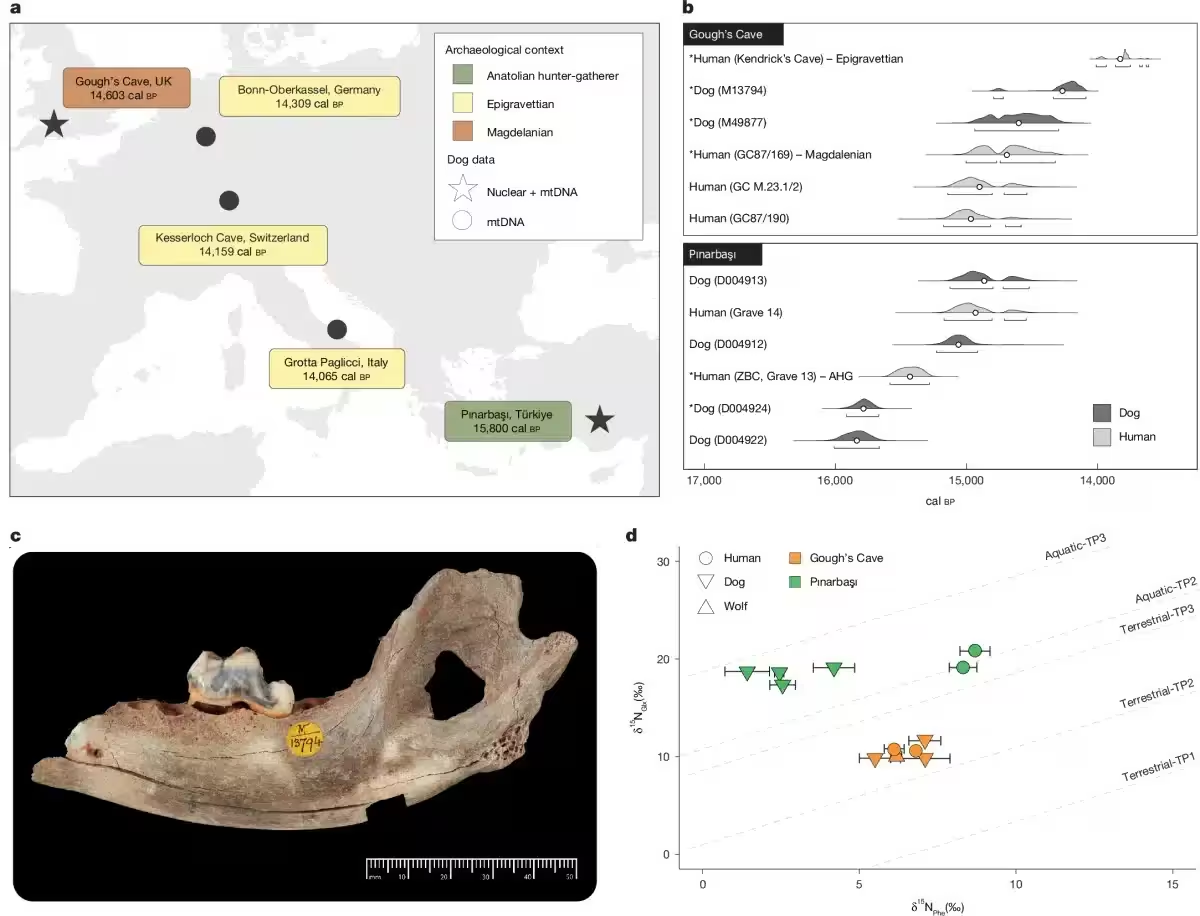
The domestication process, which occurred over the past 40,000 years in various locations across Eurasia, continues to yield surprising archaeological snapshots. In northwest Italy, for instance, researchers found older dog prints inside a cave, where they appeared alongside human footprints. This configuration suggests that humans and their canine counterparts may have ventured together into deep subterranean spaces.
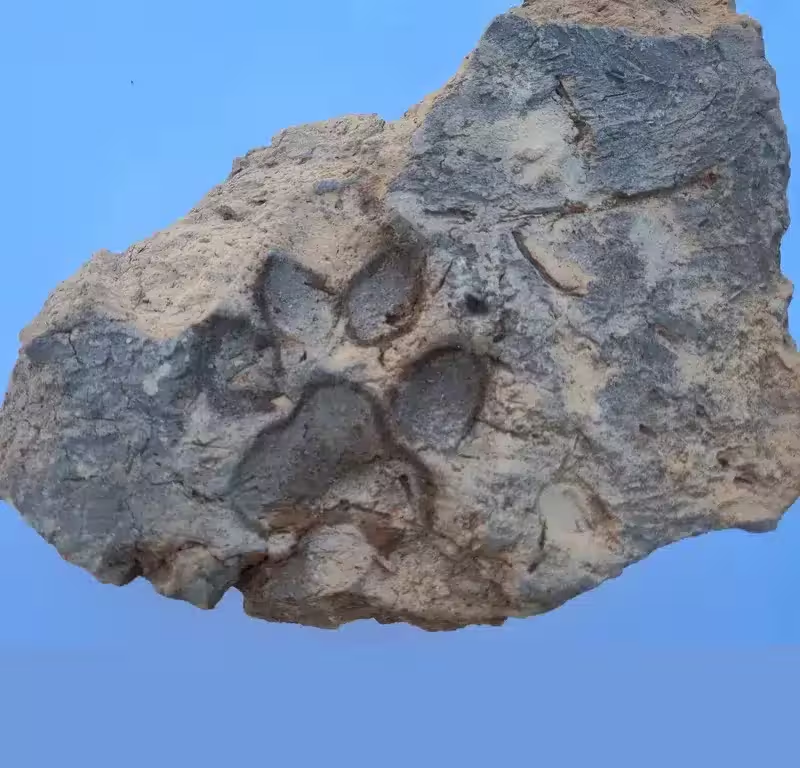
While the Tavşanlı Höyük brick is a modest find in terms of architectural scale, it serves as a powerful reminder of the enduring, multi-millennial bond between humans and the animals that have consistently shared their living spaces.
This article has been fact checked for accuracy, with information verified against reputable sources. Learn more about us and our editorial process.
Last reviewed on .
Article history
- Latest version
Reference(s)
- <https://bilecik.academia.edu/ErkanFidan>.
- Marsh, William. “Dogs were widely distributed across western Eurasia during the Palaeolithic - Nature.”, vol. 651, no. 8107, pp. 995-1003. Nature, doi: 10.1038/s41586-026-10170-x. <https://www.nature.com/articles/s41586-026-10170-x>.
Cite this page:
- Posted by Elizabeth Taylor