Ancient Bone Fragments Hidden in Plain Sight Reveal New Neanderthal Presence in Spain
Microscopic analysis of ancient bones found in a cave has finally revealed the hidden history of those who lived there, uncovering a long-lost human story.
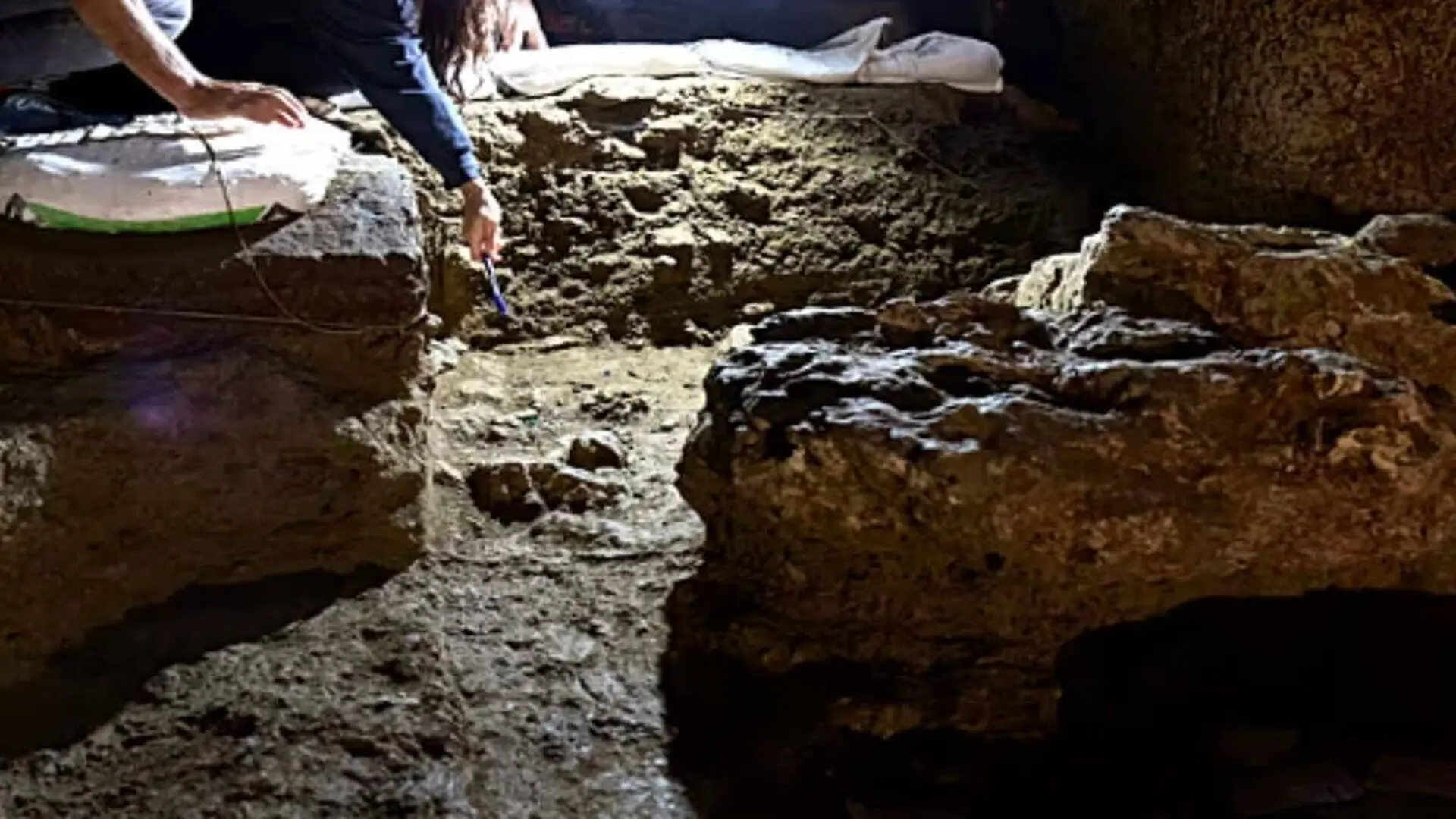
Researchers have identified six skeletal fragments recovered from the Abauntz cave in Navarre, Spain, as the remains of a male Neanderthal who lived approximately 46,000 years ago. While these fossils were unearthed during earlier archaeological excavations at the site, their biological identity and precise age have only recently been confirmed through a combination of advanced genetic testing, radiocarbon dating, and protein analysis.
The discovery represents a significant milestone, as these are the first Neanderthal remains ever authenticated in the Navarre region. The findings provide long-sought evidence of Neanderthal habitation within this section of the western Pyrenees, a geographic corridor that served as a vital transit route between the Iberian Peninsula and the wider European continent.
Anatomical Insights and Taphonomy
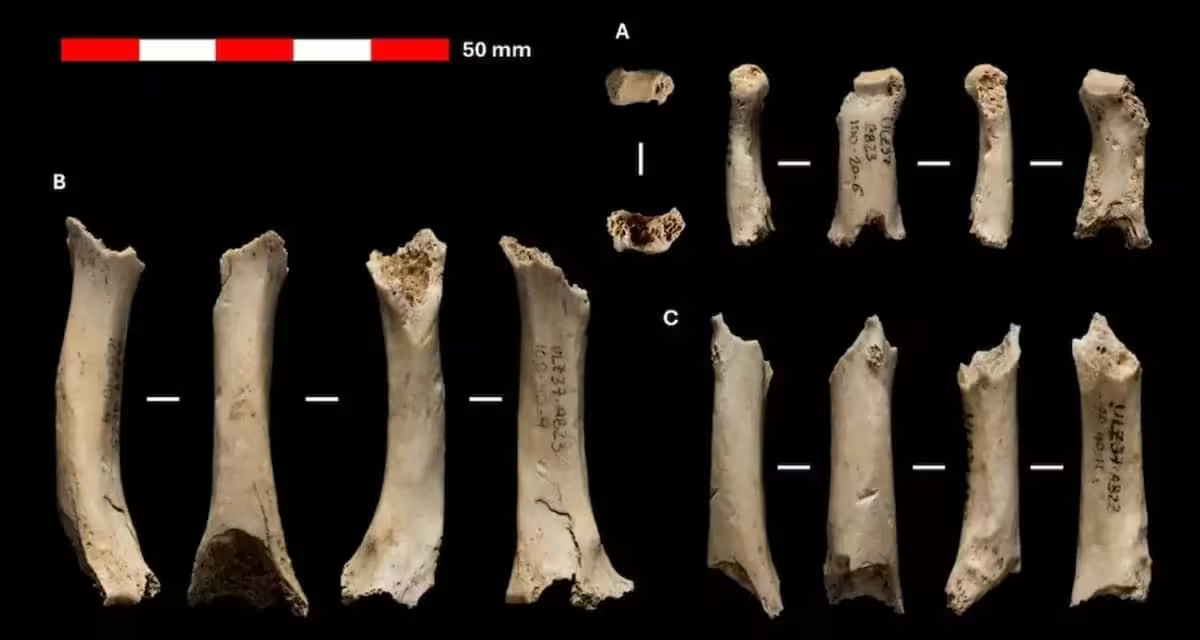
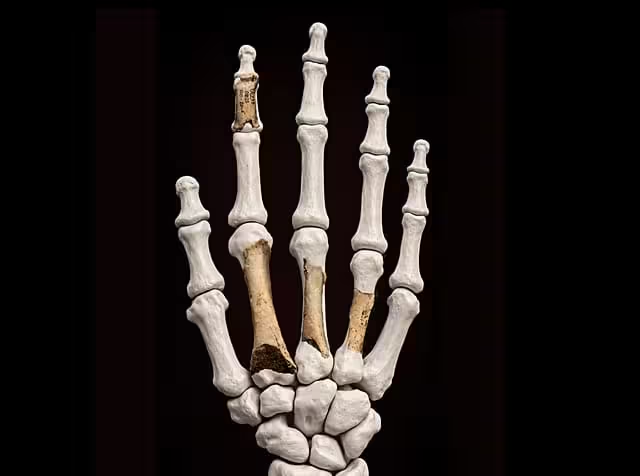
The collection consists of three metacarpal bones and a middle phalanx originating from the right hand of an adult male. Paleoproteomic screening and subsequent genetic sequencing confirmed the human origin of these specimens. Some of the bones display distinct bite marks left by carnivores, offering archaeologists clues regarding the post-mortem environment and the factors that led to the fossilization of the remains within the cave. The presence of stone tools and processed animal bones nearby suggests that Neanderthal groups utilized the space for various survival activities.
Precision Dating in a Changing Landscape
The chronological placement of the fossils is particularly telling. At 46,000 years old, the individual existed during a period when Neanderthals were still widespread across Europe, though the species would face extinction only a few millennia later, coinciding with the migration and expansion of Homo sapiens. By employing rigorous laboratory techniques in collaboration with the University of Vienna and the Max Planck Institute for Evolutionary Anthropology in Leipzig, researchers have successfully overcome the challenges of DNA degradation.
According to co-director Andion Arteaga, as noted in the team’s official report, the discovery provides the first direct confirmation of Neanderthal presence in the Navarre territory. Fellow researcher Mikel Arlegi emphasized that obtaining high-quality genetic data from these remains is highly significant, potentially allowing for comparisons with other famous sites, such as El Sidrón in Asturias, to better understand the social structures and evolutionary trajectories of Neanderthals.
Mapping Prehistoric Mobility
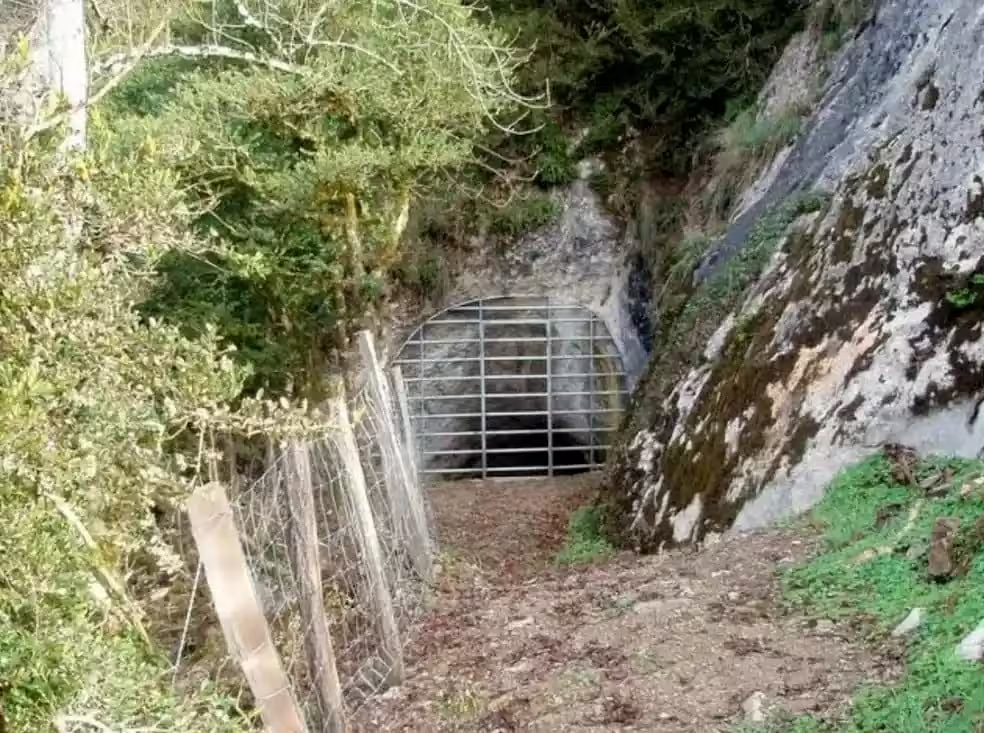
Ongoing genetic studies of the Abauntz remains are expected to shed further light on the demographic dynamics of these ancient populations. The cave’s strategic position in the landscape is central to this narrative. As detailed by Euronews, the site sits within a natural artery that facilitated the movement of human groups. This location makes Abauntz a critical area for investigating how different Neanderthal bands interacted, moved, and adapted to the environmental shifts of the late Pleistocene.
This article has been fact checked for accuracy, with information verified against reputable sources. Learn more about us and our editorial process.
Last reviewed on .
Article history
- Latest version
Reference(s)
- “Descubiertos en Navarra los primeros fósiles neandertales: restos de una mano de hace 46.000 años con ADN conservado.”, October 19, 2026 <https://comunicacio.iphes.cat/spa/p/news/new/noticias/v/category/1/1186.htm>.
- <https://www.researchgate.net/profile/Mikel-Arlegi>.
- Caraballo, Cristian. “Neanderthal remains dating back 46,000 years identified in Abauntz cave, Navarra.”, October 20, 2026 Euronews <https://www.euronews.com/2026/10/20/neanderthal-remains-dating-back-46000-years-identified-in-abauntz-cave-navarra>.
Cite this page:
- Posted by Elizabeth Taylor