Russian Military Satellite Stalks Commercial Spacecraft in Dangerous Orbital Maneuver
A Russian military satellite is performing precise maneuvers near a U.S. spacecraft, sparking renewed concerns about escalating surveillance in orbit.
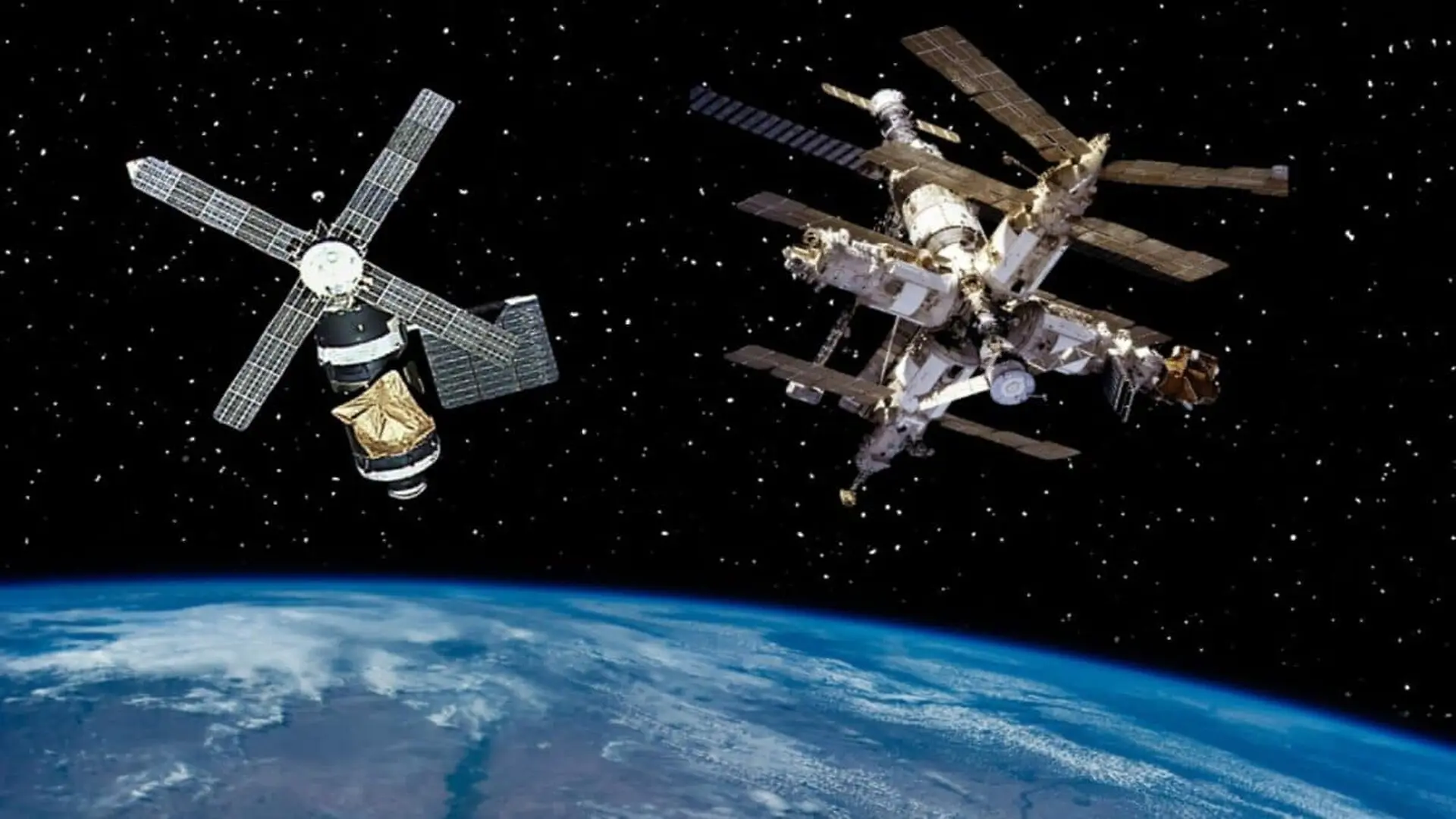
A Russian military satellite has engaged in a series of sophisticated, uncoordinated orbital maneuvers that brought it within hundreds of meters of a commercial radar-imaging spacecraft, sparking concerns over the security of private assets in low Earth orbit. The encounter between the Russian craft, Kosmos 2612, and the ICEYE-X36 satellite—operated by the U.S. subsidiary of the Finnish firm ICEYE—represents a significant escalation in what experts describe as high-stakes, non-consensual rendezvous and proximity operations (RPO).
According to satellite tracking data, the interaction began in mid-October. Tracking specialists observed Kosmos 2612 performing precise adjustments to its trajectory to shadow the ICEYE-X36 satellite. By October 15, the gap between the two objects had closed to a distance of just two or three kilometers. Data from LeoLabs suggests that, at its closest point, the Russian satellite approached within approximately 500 meters of the commercial vessel—well under the standard safety threshold of one kilometer, and far below the recommended margin of several dozen kilometers.

Adam Marsh, a vice president at LeoLabs, characterized the incident as the most advanced and potentially hazardous uncooperative maneuver observed to date. While RPO procedures are standard for docking cargo at the International Space Station, those missions are collaborative. The behavior of Kosmos 2612, which trailed and paced the commercial satellite for several days before withdrawing on October 18, lacked any such coordination.
The Strategic Value of Synthetic Aperture Radar
The sensitivity of this encounter is heightened by ICEYE’s role in global security. The company’s satellites utilize synthetic aperture radar (SAR), which emits radar pulses to penetrate cloud cover and operate in total darkness. This persistent, all-weather reconnaissance is a vital asset for the Ukrainian armed forces, which have accessed ICEYE’s constellation under a contract with the company. While it remains unclear if ICEYE-X36 specifically contributed to intelligence efforts for Ukraine, the proximity of a Russian military asset to this specific technology suggests a potential attempt at electronic surveillance or signal interference.

A History of Orbital Aggression
Moscow has previously signaled that commercial infrastructure assisting foreign military operations could be viewed as a legitimate target. This philosophy has manifested in various documented instances, including the 2020 shadowing of U.S. intelligence satellites and allegations by Germany in 2025 that Russian spacecraft were monitoring its military communications platforms. Furthermore, the 2021 Russian anti-satellite missile test, which created a massive cloud of debris, demonstrated a disregard for the safety of the low Earth orbit environment, where objects travel at speeds exceeding 28,000 kilometers per hour.
— s2a systems (@s2a_systems) October 18, 2026
Although analysts at Delft University of Technology found no immediate evidence that the physical trajectory of the ICEYE satellite was compromised by the close approach, the incident has renewed calls for stronger norms of behavior in space. ICEYE has confirmed it is monitoring the situation, stating that its constellation is engineered to maintain operational integrity despite external interference. As of now, the long-term intent behind the Kosmos 2612 mission remains a matter of conjecture, though the maneuver serves as a stark reminder of the intensifying competition for dominance in the orbital domain.
This article has been fact checked for accuracy, with information verified against reputable sources. Learn more about us and our editorial process.
Last reviewed on .
Article history
- Latest version
Cite this page:
- Posted by Karan Das