Scientists Are Investigating Whether Abandoned Coal Mines Can Become Giant Water Batteries
Could abandoned coal mines be the secret to our renewable future? New research reveals how these sites could act as vast, hidden reservoirs for energy.
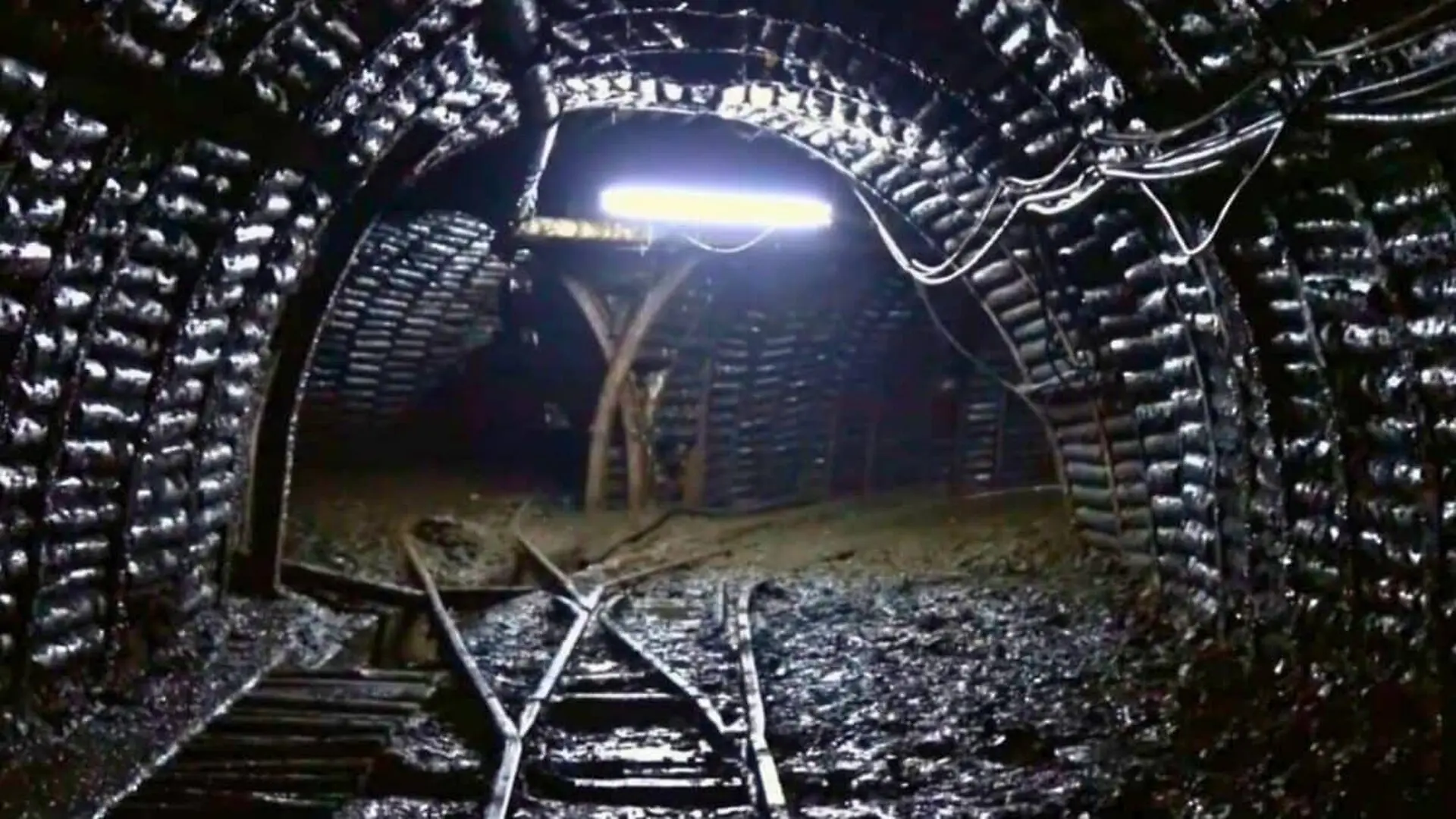
As the United States accelerates its transition toward renewable energy, the hunt for reliable, long-duration storage has led researchers to an unlikely frontier: the hollowed-out depths of abandoned coal mines. Engineers at Oak Ridge National Laboratory (ORNL) are currently evaluating whether these legacy industrial sites could be repurposed into massive underground batteries, potentially solving one of the grid’s most persistent challenges.
Pumped storage hydropower (PSH) is already the backbone of the nation’s energy storage infrastructure, responsible for roughly 88 percent of existing utility-scale capacity. According to the U.S. Department of Energy, these conventional systems provide about 22 gigawatts of power and 550 gigawatt-hours of stored energy by cycling water between surface reservoirs at different elevations. By utilizing gravity, water flows downhill through turbines to generate electricity during peak demand and is pumped back up when energy prices are low.
Repurposing Subterranean Mine Voids
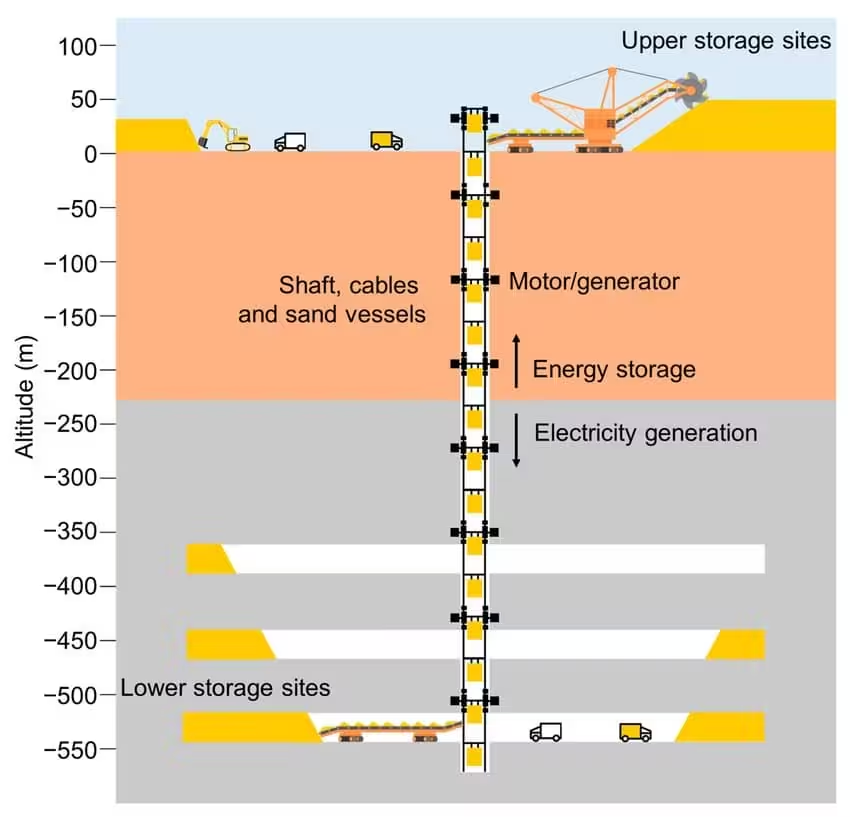
The concept of underground pumped storage hydropower (UPSH) mirrors this traditional approach, but replaces surface-level reservoirs with the deep, cavernous voids left behind by mining operations. By leveraging existing tunnels and shafts, developers hope to bypass the significant environmental and logistical hurdles associated with building new, large-scale dams on the surface.
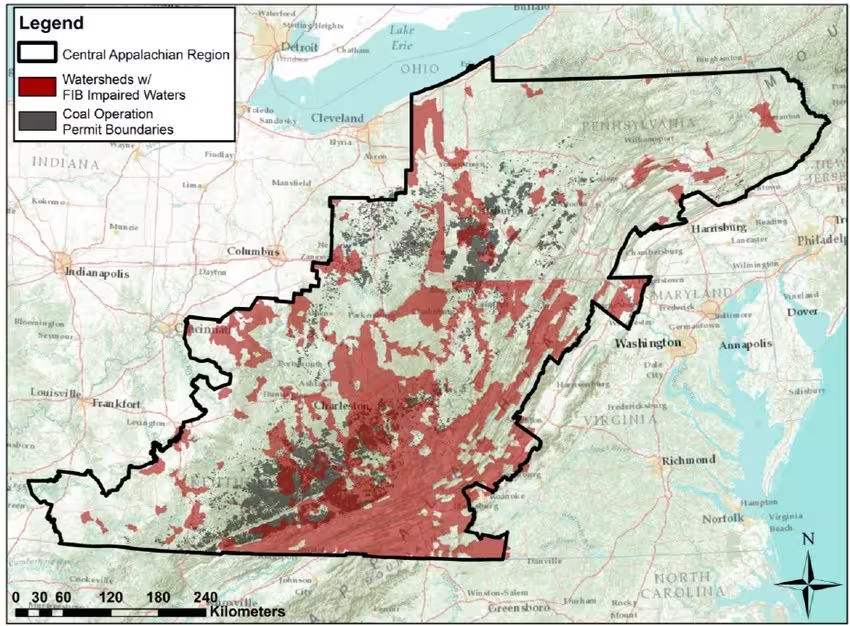
However, the transition from theoretical model to operational power plant is proving difficult. A 2025 technical report authored by Thien D. Nguyen and his colleagues at ORNL highlights that while the geography is promising, the chemistry and structural integrity of these mines present significant engineering roadblocks. Unlike a clean, man-made reservoir, an abandoned mine is a complex, reactive environment that can compromise mechanical equipment.
The Hidden Engineering Hazards of Mine Water
The core of the issue lies in the water itself. When researchers move water through the remnants of a coal mine, it inevitably interacts with mineral-rich surfaces, metal particles, and various chemical byproducts. This volatile mixture can lead to rapid corrosion and degradation of hydraulic turbines and pumping systems.
To mitigate these risks, ORNL has been collaborating with private entities like Rye Development to develop advanced hydrodynamic and chemical models. These simulations track how water flows through specific mine geometries and predict how its chemistry will react with the native rock, helping engineers determine if a specific site is viable for long-term energy storage.
Mapping a Legacy of Industrial Waste
Assessing the feasibility of UPSH is complicated by a lack of centralized data. According to a 2025 U.S. Geological Survey (USGS) fact sheet, there is no comprehensive nationwide inventory of the hundreds of thousands of abandoned mine features scattered across the United States. These features include everything from collapsed tunnels and pits to hazardous shafts.
Beyond the structural instability of these sites, many also suffer from Acid Mine Drainage (AMD), a phenomenon where water becomes heavily acidified and saturated with toxic heavy metals. The USGS is working to bridge the information gap through its USMIN project, a collaborative database that catalogs the geospatial and hazard-related data of these sites. However, much of this information remains restricted, as federal and tribal agencies aim to prevent vandalism and ensure public safety by keeping the precise locations of these underground hazards confidential.
This article has been fact checked for accuracy, with information verified against reputable sources. Learn more about us and our editorial process.
Last reviewed on .
Article history
- Latest version
Reference(s)
- “How Pumped Storage Hydropower Works.”, August 17, 2021 Energy.gov <https://www.energy.gov/cmei/water/how-pumped-storage-hydropower-works>.
- Mauk, Jeffrey. “The abandoned mine inventory of the United States—A brief summary.”, January 1, 2025, doi: 10.3133/fs20253003. <https://pubs.usgs.gov/publication/fs20253003/full>.
Cite this page:
- Posted by Karan Das