NASA Astronaut Says We Have It All Backward After Seeing Earth From Space
Astronaut Ron Garan reveals how a single, life-changing realization from orbit completely transformed his perspective on our planet and humanity.
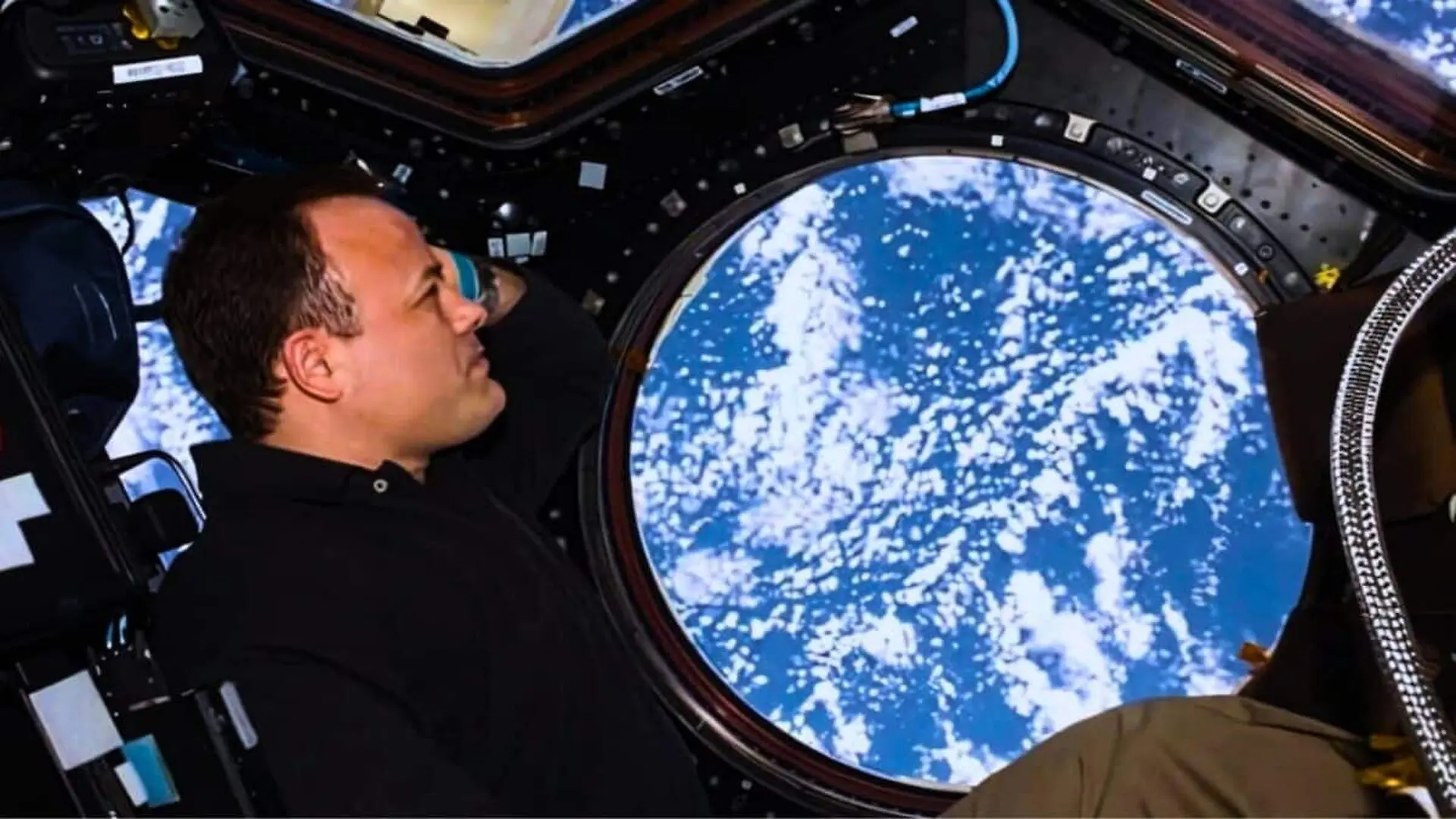
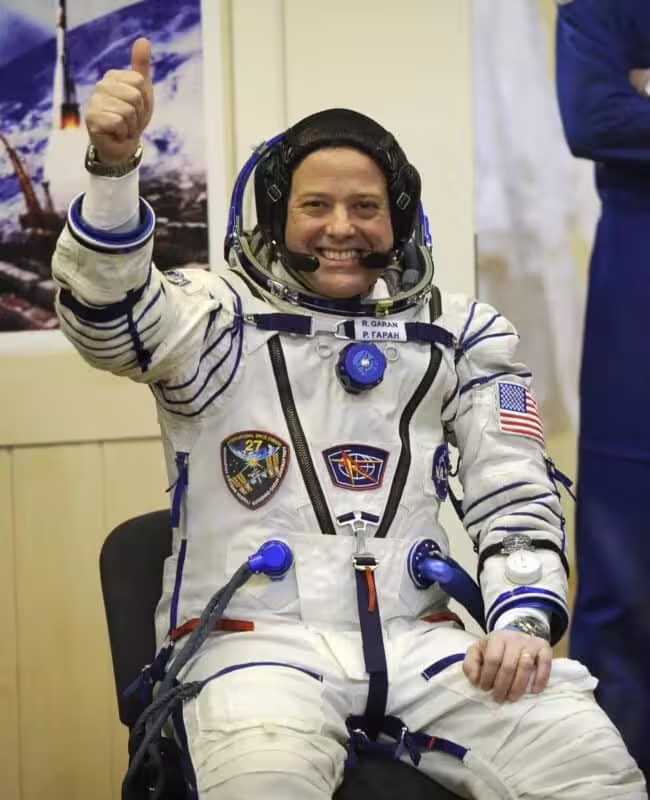
When viewed from the vantage point of low Earth orbit, the structures that define human existence on the surface—political borders, national identities, and global markets—suddenly vanish. For former NASA astronaut Ron Garan, who spent months living and working aboard the International Space Station, this profound visual shift triggered a fundamental reassessment of how civilization operates.
Garan contends that humanity has fundamentally inverted the hierarchy of existence. In our daily lives, we treat the economy as the bedrock upon which all other societal systems rest. However, from the perspective of space, Garan argues that the economy is actually the most fragile and dependent component, supported by a functioning society, which in turn relies entirely on a healthy, habitable planet. By prioritizing the economy above the very systems that sustain life, he suggests we are operating on a dangerous fallacy.
A New Perspective on Planetary Fragility
The realization often begins with the visual shock of the atmosphere. From the surface, the sky appears vast and infinite, but from orbit, it is revealed as a remarkably thin, delicate ribbon clinging to the planet. Observing this layer, punctuated by the faint glow of auroras and lightning, makes the physical vulnerability of our life-support system impossible to ignore.
Garan also noted the way human civilization manifests from above, particularly at night. The dense, sprawling webs of light across population centers, such as Shanghai, resemble biological structures—specifically, the complex firing of nerve cells. This observation underscores a recurring sentiment among space travelers: the planet acts as a single, unified organism, a reality that makes the rigid, human-made partitions we see on maps appear entirely arbitrary.
The Instant Transformation
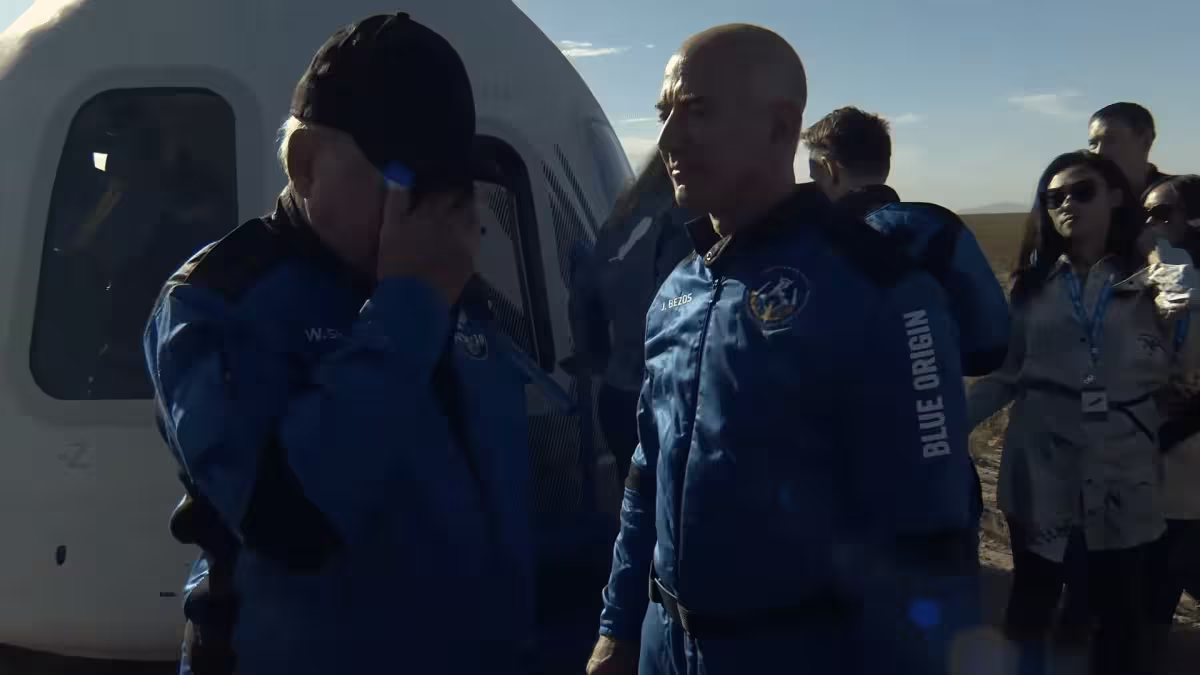
While Garan lived with this view for months, the psychological shift—often called the “overview effect”—can occur in mere minutes. When actor William Shatner traveled to the edge of space aboard Blue Origin in October 2021, his suborbital flight lasted only about 10 minutes. Yet, the impact was immediate and deeply emotional. Upon landing, his visceral reaction highlighted the stark, beautiful contrast between the vibrant blue of the Earth and the terrifying, silent blackness of the void.
This experience is not unique to modern commercial spaceflight. The phenomenon was first captured by the Apollo 8 crew in 1968. As they rounded the Moon, they were greeted by the sight of the Earth rising over the lunar horizon. Bill Anders, one of the mission’s astronauts, famously summarized the epiphany: despite being sent to explore the Moon, the most significant discovery they made was the Earth itself.
Reimagining Our Future
Formalized in 1987 by writer Frank White, the term overview effect describes the cognitive shift that accompanies seeing our home world from space. This perspective doesn’t provide a ready-made political roadmap, but it does expose the fragility of the status quo. If the economy is merely the “top floor” of human activity, relying on the structural integrity of the floors below—society and, ultimately, the planetary environment—then our current obsession with infinite economic growth at the expense of environmental stability is a design flaw.
By viewing the Earth as a closed system, the illusion of limitless resources begins to crumble. The goal, according to those who have witnessed the planet from the silence of space, is to align our systems with the reality of our environment rather than continuing to live in the contradiction of our own making.
This article has been fact checked for accuracy, with information verified against reputable sources. Learn more about us and our editorial process.
Last reviewed on .
Article history
- Latest version
Reference(s)
- “Ron Garan | NASA Astronaut, Keynote Speaker & Author.”, December 7, 2022 Ron Garan <https://www.rongaran.com/>.
- <https://bigthink.com/starts-with-a-bang/william-shatner-space/>.
Cite this page:
- Posted by Karan Das