Magic Mushrooms May Rejuvenate Aging Brains: First Human Trial on Seniors
A bold trial will test whether psilocybin can boost brain plasticity in adults over 60, potentially rebooting aging brains.
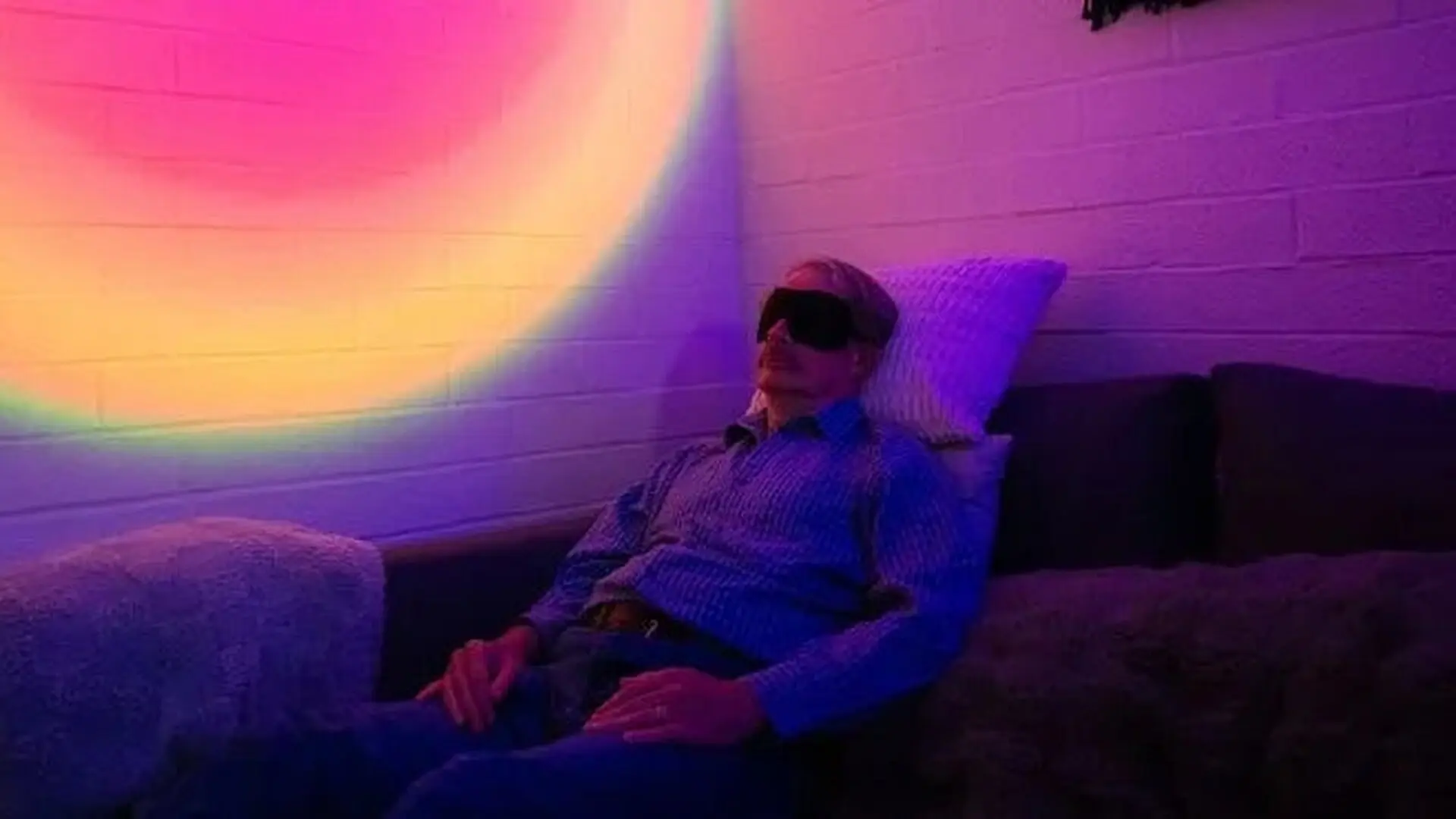
An audacious trial will test psylocibin in people over age sixty to see if increases plasticity in healthy aging brains.
Researchers at the University of California, Berkeley are preparing a study that will give a modest dose of psilocybin to a small group of seniors, aiming to discover whether the psychedelic can boost brain flexibility in later life.
Although psilocybin – the compound that gives magic mushrooms their hallucinogenic effect – is most often linked to the counterculture of the 1960s, it has recently emerged as a candidate for treating a range of psychiatric disorders. Clinical work has shown that, when paired with psychotherapy, the drug can reshape neural circuits and alleviate symptoms of severe depression, post‑traumatic stress disorder and other refractory conditions.
Most of those investigations have enrolled younger patients whose illnesses have not responded to conventional medication. The success of those trials is now prompting scientists to ask whether the same neurochemical mechanisms might benefit people who are otherwise healthy but aging.
In a novel protocol called PLASTICITY, a Berkeley team will enroll adults between 60 and 85 years old and assess how a single psilocybin session influences perception, mood and memory. Participants will undergo a series of cognitive tests, and researchers will collect brain images before and after the dose to track structural and functional changes.
Beyond behavioral measures, the trial will capture detailed self‑report data on emotional tone, social connectedness and any heightened sense of wonder that participants may experience.
Lead designer Michael Silver added that the experiment offers a rare chance to observe how a psychedelic episode reorganizes neural networks in a non‑clinical population, and to probe the brain’s construction of reality.
Renewed Interest in Psychedelic Science
For decades, research on hallucinogens was heavily curtailed. Non‑profit groups such as the Multidisciplinary Association for Psychedelic Studies have advocated for a reopening of the field, arguing that these substances could serve as tools for mental‑health maintenance.
Recent landmark studies have accelerated that shift. In 2023, a randomized, placebo‑controlled trial demonstrated that a single psilocybin dose combined with therapy reduced depressive symptoms (JAMA). The same year Oregon authorized supervised psilocybin therapy, while Australia became the first nation to approve the drug for depression and PTSD. Late‑stage trials reported robust outcomes in severe depression, raising the prospect of future FDA endorsement (STAT).
While the precise mechanisms remain under investigation, evidence points to rapid remodeling of synaptic connections, especially in the hippocampus, a region essential for learning and memory. Neuronal plasticity—the ability of connections to strengthen or weaken—declines with age and in mood disorders, potentially limiting cognitive resilience.
Animal work supports the idea that psilocybin can rejuvenate plasticity. In a rodent model of depression, the drug shifted behavior toward exploration, contrasting with the blunting effect typical of conventional antidepressants (Singularity Hub). Another study found that psilocybin temporarily reopened a developmental window of heightened learning capacity in mice, enhancing social interactions and increasing sensitivity to oxytocin (Nature). A third investigation linked the compound to reduced inflammation in brain‑spleen pathways, dampening anxiety‑like responses in stressed rodents (Singularity Hub).
“We know that with age, we lose synaptic connections, especially in certain brain regions like the hippocampus and prefrontal cortex,” Toueg explained. “There’s a lot of overlap between the mental states that psychedelics influence and those associated with successful aging.”
Inside the PLASTICITY Study
The trial will begin with baseline assessments of cognition, visual processing and brain architecture using high‑resolution MRI. Diffusion imaging will target the hippocampus to detect microscopic alterations, while functional scans will monitor activity during memory‑related tasks.
Researchers will also measure vagus‑nerve activity, a marker linked to stress resilience, and collect extensive questionnaire data ranging from emotional reactions to shifts in social perception.
“Things like depression, anxiety, stress and rumination are all associated with worse aging outcomes,” Toueg noted. “Things like having purpose in life, emotional regulation, and awe are all associated with more successful aging.”
Enrollment opened in November of the previous year. Two participants have already completed the initial testing phase, and the team plans to administer psilocybin to 20 volunteers by the close of 2026.
Older adults remain underrepresented in psychedelic research; a recent review estimated that only about 1.4 % of trial participants are aged 65 or older (NCBI), even though they may stand to benefit most from interventions that boost neuroplasticity.
Silver emphasized that the study will clarify whether findings from animal models translate to human seniors and will generate data to guide future investigations of cognition, aging and mental health (Berkeley).
Toueg added, “I think that no matter what we find, this study will have implications for how we think about intervening in the aging brain.”
This article has been fact checked for accuracy, with information verified against reputable sources. Learn more about us and our editorial process.
Last reviewed on .
Article history
- Latest version
Reference(s)
- <https://jamanetwork.com/journals/jama/fullarticle/2808950>.
- Chen, Elaine. “Compass says its psilocybin drug helped patients with severe depression in two trials.”, February 17, 2026 STAT <https://www.statnews.com/2026/02/17/compass-pathways-comp360-psilocybin-severe-depression-trial-results/>.
- Nardou, Romain. “Psychedelics reopen the social reward learning critical period - Nature.”, vol. 618, no. 7966, pp. 790-798. Nature, doi: 10.1038/s41586-023-06204-3. <https://www.nature.com/articles/s41586-023-06204-3>.
- Bouchet, L. “Older Adults in Psychedelic-Assisted Therapy Trials: A Systematic Review.”, vol. 67, no. Suppl 1, pp. S232 PubMed Central (PMC), doi: 10.1192/j.eurpsy.2024.493. <https://pmc.ncbi.nlm.nih.gov/articles/PMC11862347/>.
- natalienicolson, “Tripping into Old Age: Can Psychedelics Protect the Aging Brain?.”, June 8, 2026 UC Berkeley Center for the Science of Psychedelics <https://psychedelics.berkeley.edu/tripping-into-old-age-can-psychedelics-protect-the-aging-brain/>.
Cite this page:
- Posted by Hassan Raza