Why Migrating Hoofed Mammals Face Extreme Evolutionary Risks
A new study reveals that traveling across landscapes drives rapid speciation while simultaneously accelerating extinction rates in ungulates.
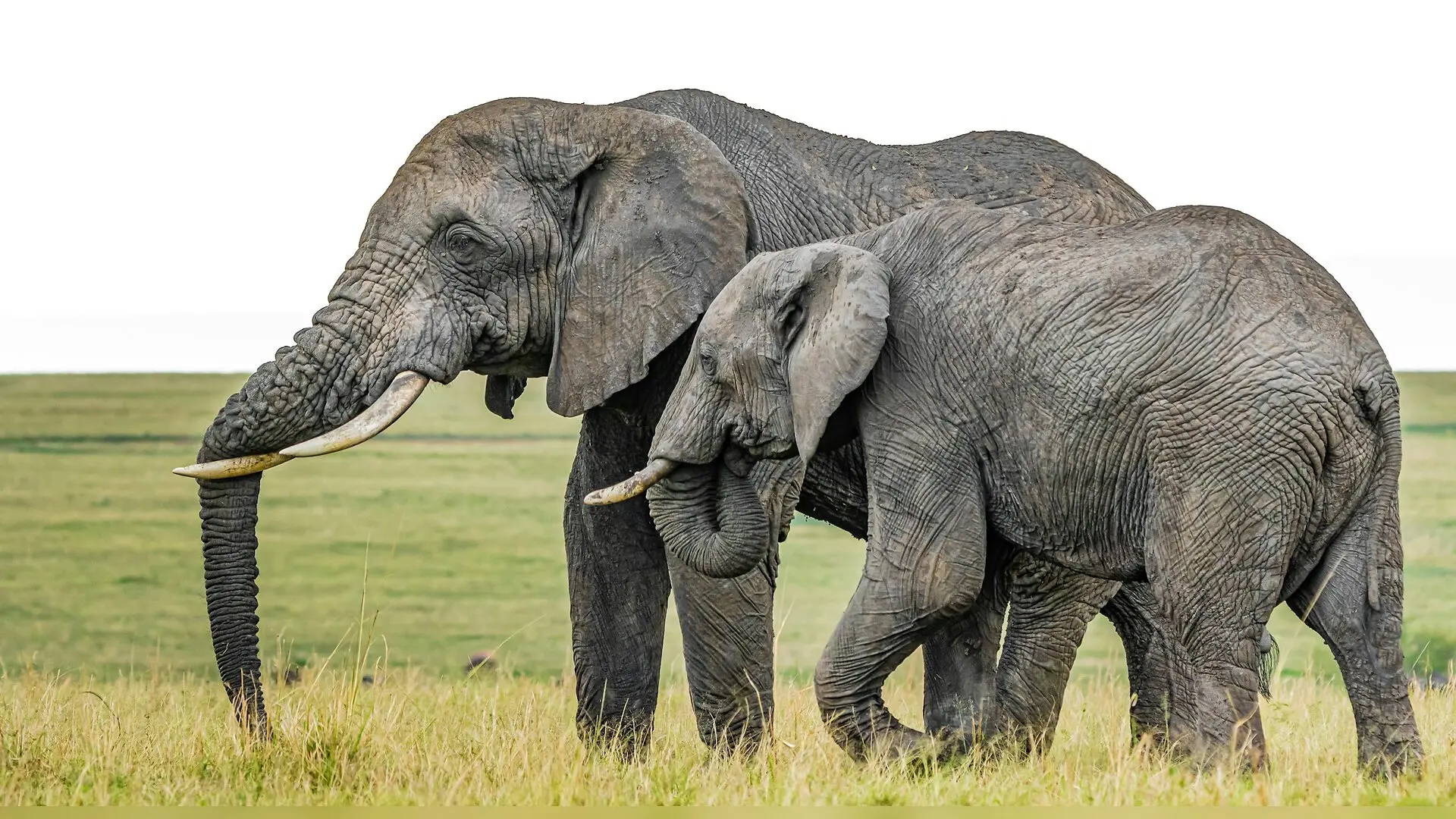
Hoofed mammals that travel across landscapes face a dangerous evolutionary trade-off that leaves them prone to high extinction risks. A recent scientific evaluation reveals that migratory ungulates, such as antelopes and deer, experience significantly higher extinction rates than nonmigratory species due to the precarious nature of tracking shifting environmental resources.
The study, published in PLoS Biology by investigator Gustavo Burin, analyzes findings originally produced by Abraham and colleagues to understand how seasonal travel shapes the macroevolutionary history of mammals. While moving across regions helps animals secure food and water during temporary shortages, missing environmental cues can wipe out entire populations.
Why Traveling Across Landscapes Drives Both Speciation and Loss
Movement allows creatures to overcome localized weather changes and find better feeding grounds, providing clear short-term survival perks. However, missing the timing of these seasonal movements or encountering sudden landscape barriers can spell disaster. When migration paths collapse, surviving animal groups often become fractured into smaller, isolated pockets.
This fragmentation can cut off gene flow, which occasionally triggers the birth of new species through genetic divergence. As a result, migratory lineages exhibit a high turnover rate characterized by both rapid speciation and accelerated extinction. These ephemeral lineages are especially vulnerable to abrupt environmental disruptions, whether driven by natural climate shifts or human interference.
How Past Extinctions Reveal Hidden Ecosystem Shocks
To accurately capture these deep time evolutionary shifts, researchers incorporated data from recently extinct Quaternary species rather than relying solely on surviving animals. This methodological choice helped bypass long-standing statistical criticisms regarding extinction rate estimates derived only from living lineages. The analysis uncovered that increased extinction rates among travelers caused a notable shrinkage in the total volume of ecomorphospace, which is a multidimensional mapping of physical traits and ecological roles.

The loss hit African fauna particularly hard, removing unique trait combinations that modern surviving lineages no longer display. Large-bodied animals faced the heaviest pressures during these historical extinction events, pointing to a lasting structural transformation in ancient ecosystems where migration routes were disrupted.
What Deep Time Dynamics Mean for Modern Conservation
Human activities like highway construction, agricultural expansion, and climate-induced shifts in plant green-up timing continue to block traditional travel corridors. Understanding how prehistoric lineages adapted or collapsed under environmental pressure offers a lens into what contemporary migratory populations might face in the coming decades.
Integrating fossil data with modern phylogenies helps conservation scientists identify which specific traits make certain mammals most vulnerable to modern landscape fragmentation. Protecting these dynamic pathways requires looking beyond static park boundaries to safeguard the complex journeys that maintain biodiversity across the globe.
The research was published in PLoS biology on November 18, 2026.
This article has been fact checked for accuracy, with information verified against reputable sources. Learn more about us and our editorial process.
Last reviewed on .
Article history
- Latest version
Reference(s)
- Burin, Gustavo. “Migration as a key influence on ungulate eco-evolutionary history.” PLOS Biology, vol. 24, no. 11, November 18, 2026, pp. e3004115 Public Library of Science (PLoS), doi: 10.1371/journal.pbio.3004115. <https://doi.org/10.1371/journal.pbio.3004115>.
Cite this page:
- Posted by Priya Sharma