Dental Students Reveal How Academic Stress Triggers Hidden Oral Habits
A study of 247 undergraduates shows that physical jaw tension links more strongly to state anxiety than to general life stress.
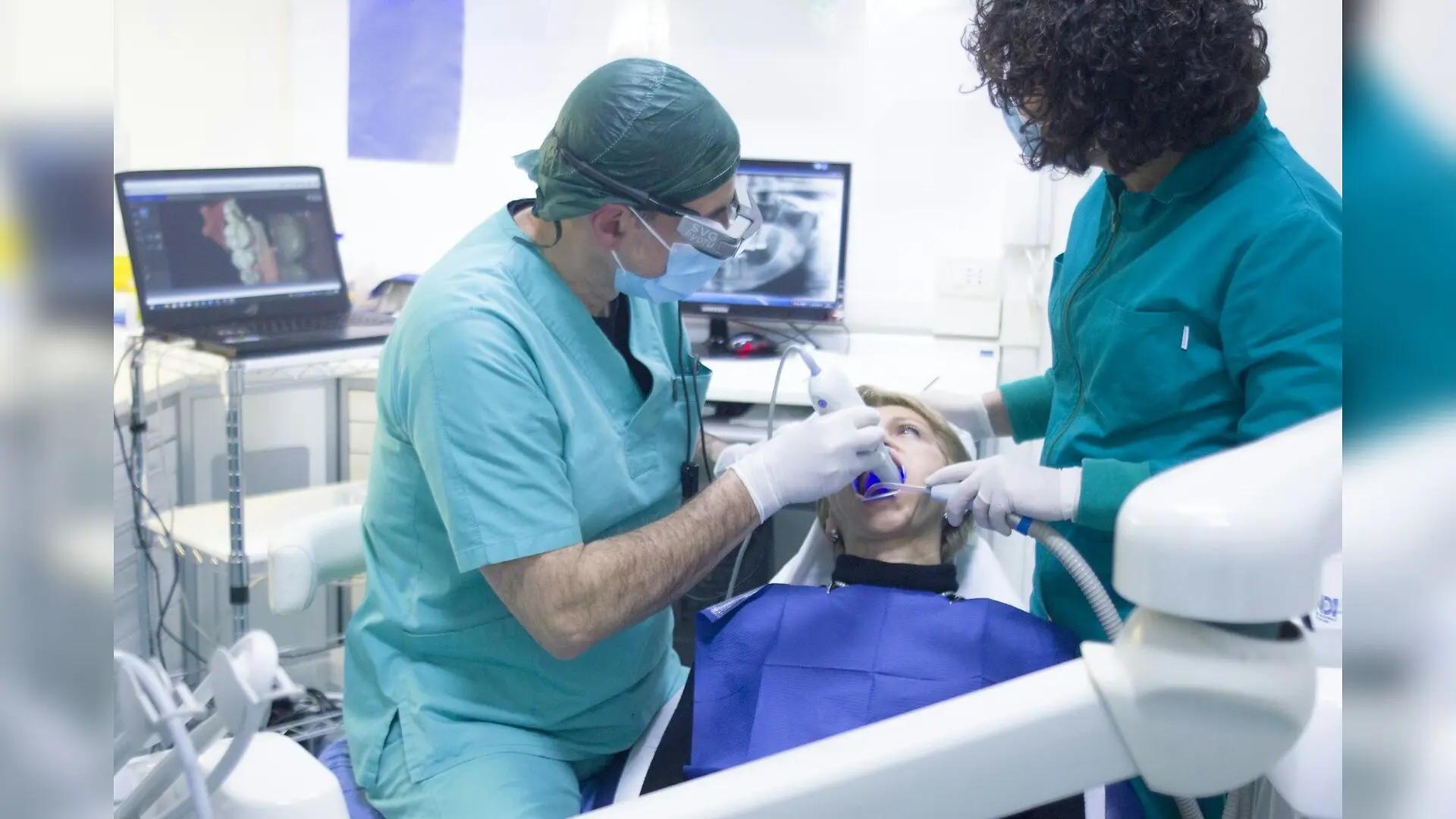
Dental students grinding their teeth or biting their nails during intense study sessions are experiencing more than just a bad habit, as new research reveals how deep emotional strain physically manifests in the jaw. These nonfunctional oral behaviors, ranging from daytime jaw clenching to severe sleep bruxism, act as silent physical outlets for mounting psychological pressure.
The rigorous academic and clinical demands of dental education create a high-pressure environment where students frequently develop somatic tension. To explore how different types of psychological strain trigger these physical habits, researchers conducted a cross-sectional study involving undergraduate dental students in Southern India between July and September 2024. Out of 400 approached students, 247 participants completed structured online questionnaires evaluating their stress levels and oral behaviors, as detailed in work published in the International Journal of Dentistry by Suviksha Naik and colleagues.
How Common Are Stress-Linked Oral Habits in University?
Among the 247 undergraduate participants, whose ages ranged from 18 to 25 years and included 181 females and 66 males, oral parafunctional behaviors were remarkably widespread. The assessment categorized the majority of students at low risk for oral habits at 70 percent, while 28.3 percent fell into the high-risk category, and only 1.6 percent reported no risk at all. These repetitive movements often lead to downstream health issues such as headaches, localized tooth wear, and painful temporomandibular joint disorders.
When looking at overall stress perception, 81.4 percent of the students reported moderate stress on the Perceived Stress Scale, while 13.4 percent reported high perceived stress. Interestingly, when researchers tested for statistical links, general perceived stress did not show a statistically significant association with the frequency of oral parafunctional habits. This unexpected divergence pushed the research team to look closer at specific psychological subdomains rather than treating stress as a single uniform construct.
Why State Anxiety Triggers Jaw Clenching While General Stress Does Not
The investigation uncovered a striking contrast when evaluating psychological symptoms through the Depression, Anxiety, and Stress Scale. While global life stress perception failed to reach statistical significance with oral habits, specific emotional domains showed clear, powerful connections. Depression levels, anxiety severity, and somatic stress subscales all exhibited highly significant statistical associations with the frequency of oral parafunctional behaviors.
This discrepancy highlights a difference in what the respective measurement tools capture. The Perceived Stress Scale measures a person’s cognitive evaluation of life unpredictability and overload over the past month. In contrast, the DASS subscales tap directly into state-level physiological arousal, autonomic nervous system activation, and physical tension. The findings suggest that subconscious oral habits like tooth grinding and cheek chewing are much more tightly linked to immediate bodily arousal and emotional distress than to a person’s generalized mental appraisal of life stress.
Surprising Gender Differences in Academic Stress Perception
When examining demographic variations across the cohort, researchers found no significant difference in oral parafunctional behaviors between male and female students. Both groups displayed similar frequencies of habits like nail-biting and jaw bracing. However, a surprising twist emerged regarding psychological stress scores across genders.
Male students reported significantly higher levels of perceived stress compared to their female peers within this specific dental cohort. This outcome runs counter to a substantial body of prior psychological literature, which typically documents higher perceived stress levels among female university students. The authors note that these patterns may reflect differing internal coping strategies, where female students might rely more on social support networks while males navigate high-stakes academic environments differently.
Limitations and What Comes Next for Student Well-Being
Despite providing clear insights into the physical toll of academic strain, the study comes with notable limitations. The cross-sectional design captures only a single snapshot in time, preventing any conclusions about direct cause and effect. Furthermore, the reliance on self-reported questionnaires introduces potential recall and social desirability biases, and the final participant count of 247 fell short of the initial target sample size of 384 due to nonresponse.
The authors recommend that dental training institutions incorporate proactive mental health initiatives, such as stress management workshops and mindfulness training, directly into their academic schedules. Routine dental clinics inside universities could also implement brief screenings for jaw clenching and bruxism, allowing for early intervention before chronic joint pain sets in.
The research was published in International journal of dentistry on November 18, 2026.
This article has been fact checked for accuracy, with information verified against reputable sources. Learn more about us and our editorial process.
Last reviewed on .
Article history
- Latest version
Reference(s)
- Naik, Suviksha., et al. “Psychological Stress‐Related Parafunctional Habits Among Dental Students: A Cross Sectional Analytical Study.” International Journal of Dentistry, vol. 2026, no. 1, November 18, 2026 Wiley, doi: 10.1155/ijod/6408795. <https://doi.org/10.1155/ijod/6408795>.
- Posted by Jessica Martin