Sleep Quality and Daily Independence Shape Depression Risk in Aging Adults
A nationwide study of 7,580 older adults reveals how self-care limitations and poor sleep bridge cognitive decline and depressive symptoms.

A large-scale analysis of 7,580 adults aged 65 and older in China reveals that daily self-care limitations and poor sleep quality significantly shape the link between cognitive decline and depressive symptoms. While older adults often experience overlapping mental and physical health challenges as they age, the precise ways in which cognitive sharpness, everyday independence, and sleep interact have remained difficult to untangle.
To investigate these dynamics, researchers analyzed demographic and health survey information from the 2017 to 2018 wave of a nationwide longitudinal project in China. The findings were published in PLOS One, providing new empirical data on the psychological frailty of aging populations.
How Daily Independence Bridges Mind and Mood
The study examined whether a person’s ability to handle everyday tasks explains why cognitive decline often accompanies depressive symptoms. Participants completed cognitive screenings using the Community Screening Instrument for Dementia, evaluated their own sleep quality, and answered questions regarding physical and instrumental activities of daily living.
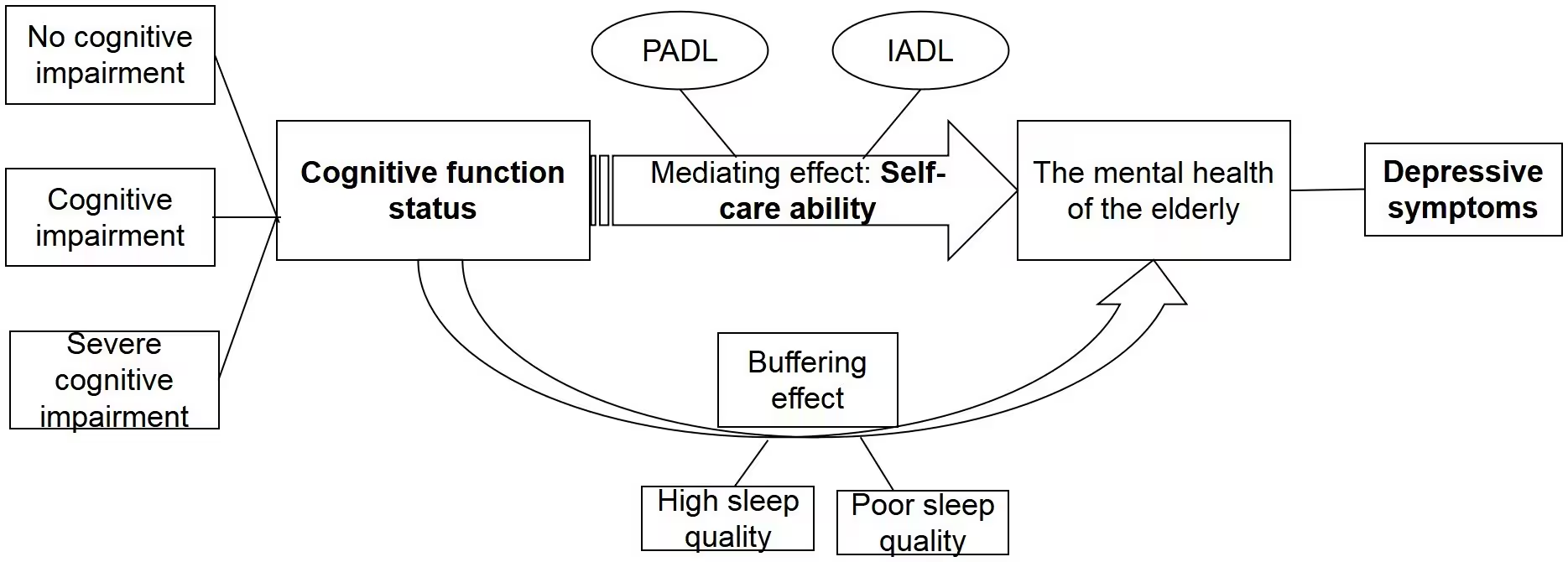
Statistical mediation models showed that self-care ability accounted for approximately 43.15 percent of the association between cognitive function and depressive symptoms. When older adults lose the capacity to manage routine tasks independently, they frequently encounter reduced autonomy and social withdrawal, which subsequently raises their vulnerability to depression.
Why Sleep Quality Alters the Mental Health Toll
Beyond daily functioning, the research tested whether sleep quality alters the direct pathway between cognitive ability and depressive distress. The data indicated that sleep acts as a moderating factor, meaning the inverse association between cognitive function and depressive symptoms was more pronounced among individuals reporting poor sleep.
Participants who rated their sleep as bad or very bad experienced stronger links between cognitive difficulties and depressive scores compared to peers with better sleep ratings. Poor sleep is known to disrupt emotional regulation and neurobiological stress responses, potentially leaving individuals less resilient when facing cognitive hurdles.
Limitations and What the Small Effect Sizes Mean
The authors noted several important caveats regarding the findings. Because the analysis relied on cross-sectional data from a single survey wave, researchers cannot establish cause and effect, meaning depressive symptoms could also contribute to cognitive or sleep difficulties.
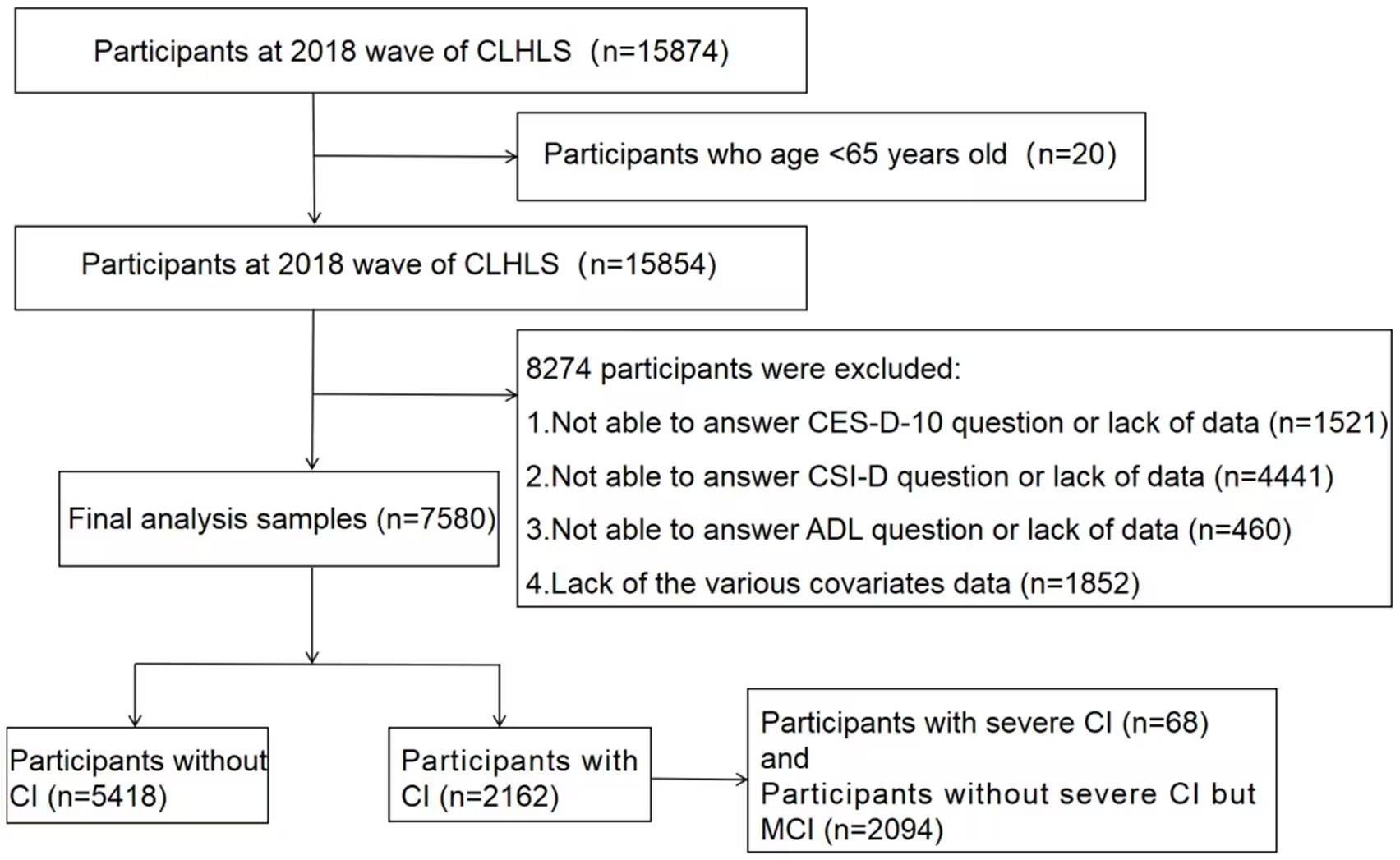
Furthermore, the overall effect sizes observed in the statistical models were modest, and sleep quality was measured using a single self-reported survey question rather than a multi-item clinical index. A very small subsample of participants with severe cognitive impairment also limited the statistical power for that specific group, and excluded individuals tended to be older and less educated on average.
The research was published in PLOS One on November 20, 2026.
This article has been fact checked for accuracy, with information verified against reputable sources. Learn more about us and our editorial process.
Last reviewed on .
Article history
- Latest version
Reference(s)
- Gao, Lunan. “Association between cognitive function and depressive symptoms among Chinese older adults: A cross-sectional analysis of CLHLS 2017-2018.” PLOS One, vol. 21, no. 11, November 20, 2026, pp. e0363319 Public Library of Science (PLoS), doi: 10.1371/journal.pone.0363319. <https://doi.org/10.1371/journal.pone.0363319>.
Cite this page:
- Posted by Jessica Martin