Sous-Vide Sea Bass Locks In Omega-3s And Protein For A Month
Gentle vacuum cooking with liquid smoke preserves vital fatty acids and amino acids in farmed sea bass during cold storage.

When European sea bass fillets are sealed in pouches with a dash of liquid smoke and cooked at gentle temperatures, their valuable heart-healthy nutrients stay locked in for an entire month in the fridge. Researchers discovered that vacuum-sealed cooking techniques, known as sous-vide, successfully safeguard delicate proteins and essential fats without the heavy degradation caused by traditional pan frying or boiling.
The study, published in RSC Advances, investigated how European sea bass, a widely farmed marine fish across the Mediterranean basin and Türkiye, responds to liquid smoke flavoring combined with precise thermal processing. Lead author Hülya Turan and colleagues from Sinop University set out to measure how different water bath temperatures affect the fish muscle tissue during extended storage.
How Gentle Vacuum Cooking Protects Essential Nutrients
To test the method, the team treated fresh fish fillets with a liquid smoke solution containing salt and sunflower oil before vacuum-packing them in durable plastic pouches. They submerged the packages in a thermal water bath for 20 minutes at three distinct levels, specifically 60, 65, and 70 degrees Celsius, before transferring them to cold storage at 2 degrees Celsius for one month.
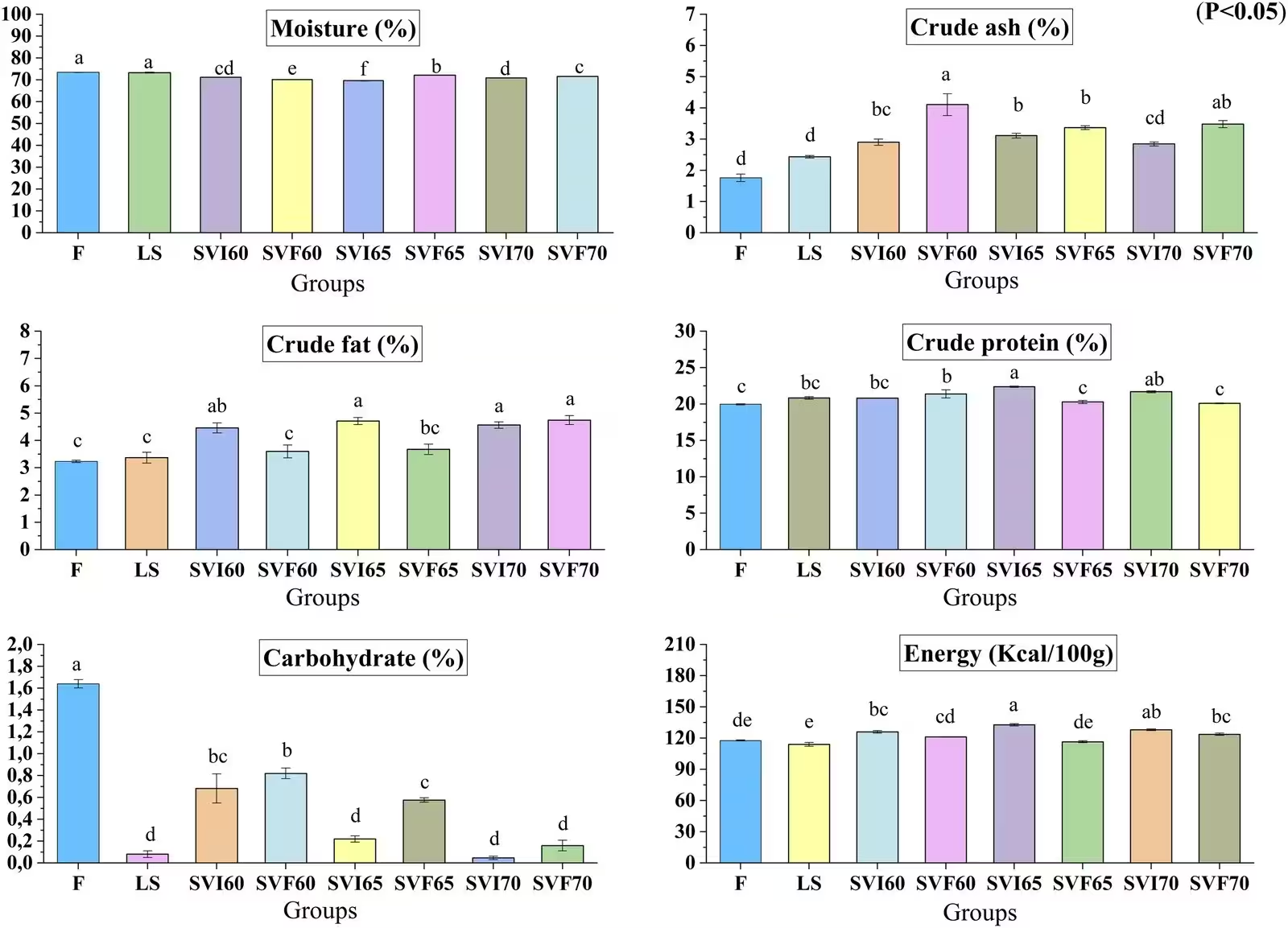
Unlike conventional cooking methods that drive off moisture and dry out delicate flesh, the sous-vide process uses precise water heat transfer to seal in vital compounds. The analysis revealed that minor moisture loss during the thermal treatment caused a natural, proportional concentration of crude protein, crude fat, and mineral ash, while keeping the structural integrity of the muscle proteins intact.
Preserving Omega-3 Fatty Acids and Vital Amino Acids
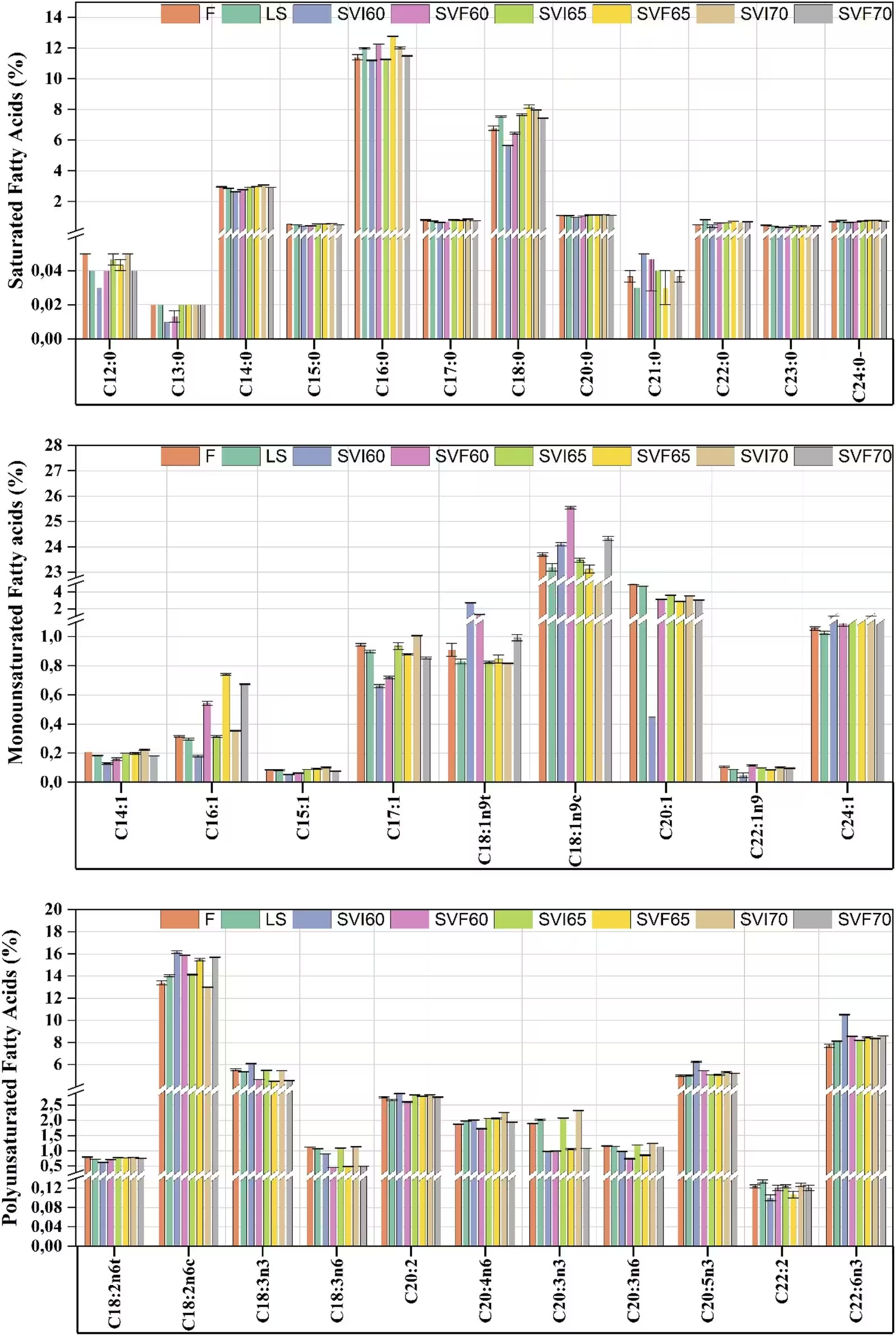
One of the most critical goals of the research was tracking polyunsaturated fatty acids, particularly eicosapentaenoic acid and docosahexaenoic acid, which support cardiovascular health, brain development, and metabolic function. The team found that these vital omega-3 and omega-6 fatty acids were largely preserved across all three heat treatments and remained stable throughout the entire month of cold storage.
Furthermore, the fish maintained a rich profile of essential amino acids, which are building blocks the human body cannot synthesize on its own. Compounds like lysine, leucine, and arginine stayed abundant, supporting cellular regulation and muscle protein maintenance. Meanwhile, glutamic and aspartic acids, which contribute to savory umami and sweet flavor notes, showed strong retention at the highest cooking temperature of 70 degrees Celsius.
Implications for Healthy Convenience Foods
As modern consumer demand rises for ready-to-eat meals that do not sacrifice dietary quality, these findings point to a promising culinary strategy. By pairing liquid smoke flavoring with controlled low-temperature vacuum cooking, food processors can deliver gourmet seafood with a stable shelf life that still meets rigorous nutritional standards for heart and muscle health.
The research was published in RSC advances on November 9, 2026.
This article has been fact checked for accuracy, with information verified against reputable sources. Learn more about us and our editorial process.
Last reviewed on .
Article history
- Latest version
Reference(s)
- Turan, Hülya., et al. “Impacts of liquid smoke flavoring, sous-vide cooking temperatures and cold storage on the nutritional composition, fatty acid, and amino acid profiles of sea bass ( Dicentrarchus labrax Linnaeus, 1758).” RSC Advances, vol. 16, no. 50, January 1, 2026, pp. 69309-69321. Royal Society of Chemistry (RSC), doi: 10.1039/d6ra09733b. <https://doi.org/10.1039/d6ra09733b>.
Cite this page:
- Posted by Divya Iyer