Shrinking Turkish Lake Reveals Unexpected Trace Element Levels In Fish
A seasonal study of Suğla Lake uncovers elevated cadmium and antimony in fish tissue despite generally clean sediment and favorable water quality.
Surface waters in Suğla Lake in southwestern Türkiye harbor unexpected levels of certain trace elements despite otherwise favorable ecological indicators, according to a recent evaluation of water, sediment, and fish populations. The freshwater body, spanning a tectonically formed depression in the Konya Closed Basin, has experienced a dramatic reduction in surface area from 89 square kilometers down to 38 square kilometers over recent decades due to intense agricultural water extraction and climatic shifts.
Researchers collected seasonal samples throughout 2020 from two distinct stations representing both shoreline runoff zones and deeper, stagnant areas of the lake. They measured multiple compartments of the ecosystem to track how contaminants move through the aquatic food web. The findings were published in PLOS One by author Baran Aşıkkutlu, detailing both the seasonal water chemistry and the accumulation profiles in Prussian carp, a widespread fish species known scientifically as Carassius gibelio.
Water Quality and Element Distribution
The overall physicochemical parameters of the lake point to a slightly alkaline, well-oxygenated environment that easily supports aquatic life. Average water temperatures swung from 4.6 degrees Celsius in January up to 30.4 degrees Celsius in August, while dissolved oxygen levels averaged 10.39 milligrams per liter. Conductivity remained low at an average of 308.63 microSiemens per centimeter, placing the water quality in a very good category according to national regulations.
However, element-specific measurements revealed that beryllium and lead concentrations in the water column exceeded protective thresholds for freshwater aquatic life. Other trace elements tested in the water, including cadmium, cobalt, copper, iron, lithium, manganese, nickel, antimony, vanadium, and zinc, stayed within acceptable limits or fell below detection capabilities.
Sediment Contamination and Geoaccumulation
Analysis of surface sediments from the 0 to 5 centimeter depth layer showed minimal contamination across the lakebed. Calculations using the geoaccumulation index, which compares current metal levels against historical background geochemistry, yielded negative values such as -5.06 for zinc and -6.64 for both copper and chromium. These figures classify the lakebed sediments as practically unpolluted, indicating that the sediment compartment poses no immediate ecological risk.
Aluminum and barium appeared in measurable quantities within the sediment samples, largely reflecting natural weathering of surrounding carbonate rocks and limestone formations. Most other measured heavy metals in the sediment remained below detection limits or hovered well beneath international screening benchmarks set by environmental protection agencies.
Bioaccumulation and Human Health Risks
The study also evaluated edible muscle tissues from 39 Prussian carp specimens collected across different seasons to gauge potential risks to local fish consumers. While most elements remained safely under regulatory limits, average concentrations of cadmium at 0.08 milligrams per kilogram and antimony at 0.67 milligrams per kilogram exceeded certain food safety standards and guideline thresholds.
To understand contaminant transfer, the team calculated bioconcentration factors and biota-sediment accumulation factors. All calculated bioconcentration factors stayed well below the 5,000 threshold that defines highly bioaccumulative substances, suggesting limited tissue buildup. Furthermore, estimated daily intake calculations remained beneath tolerable daily intake limits, and the total target hazard quotient reached 0.358, staying below the risk threshold of 1 for the assessed consumption scenario.
Statistical Insights on Contaminant Origins
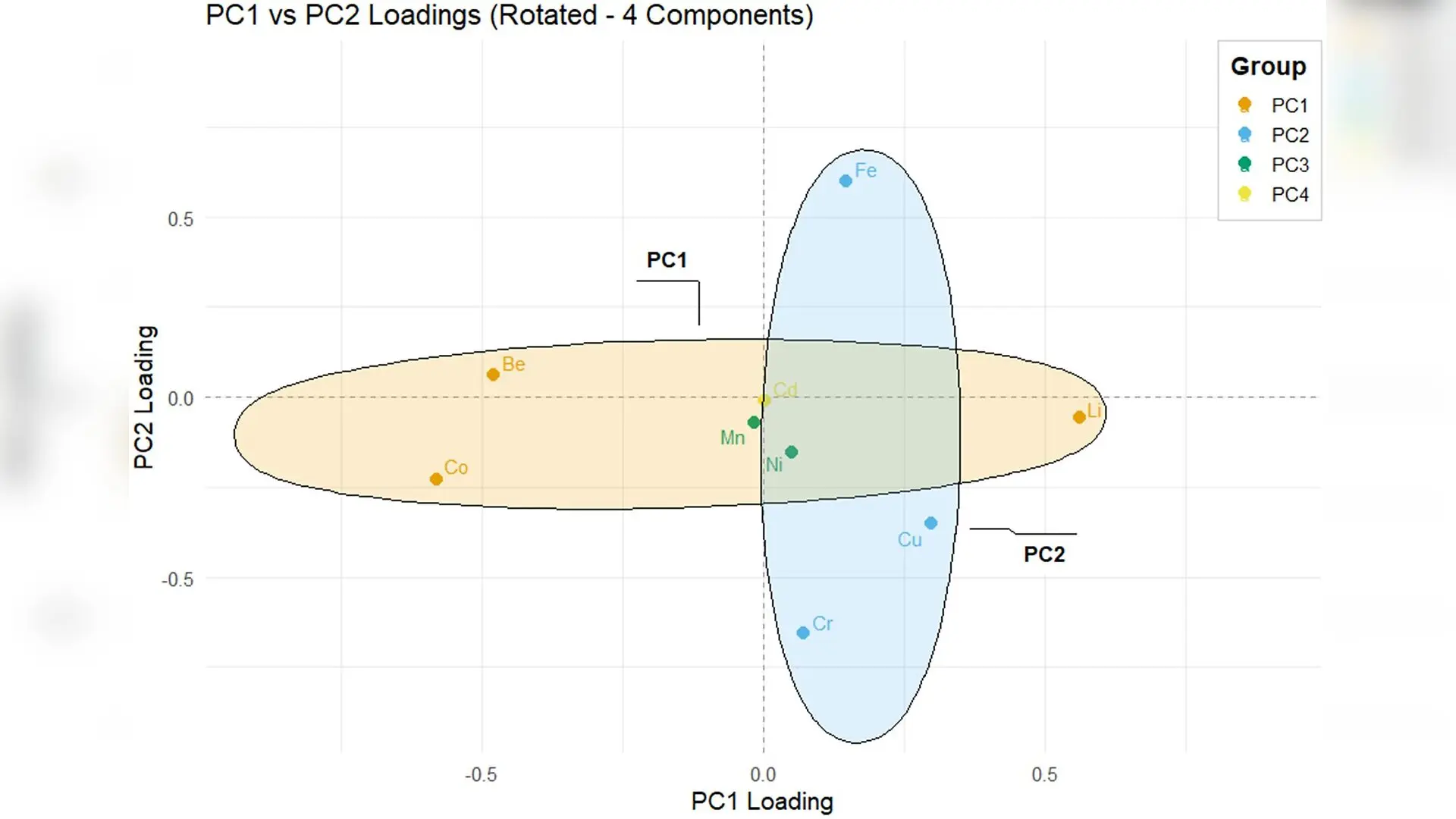
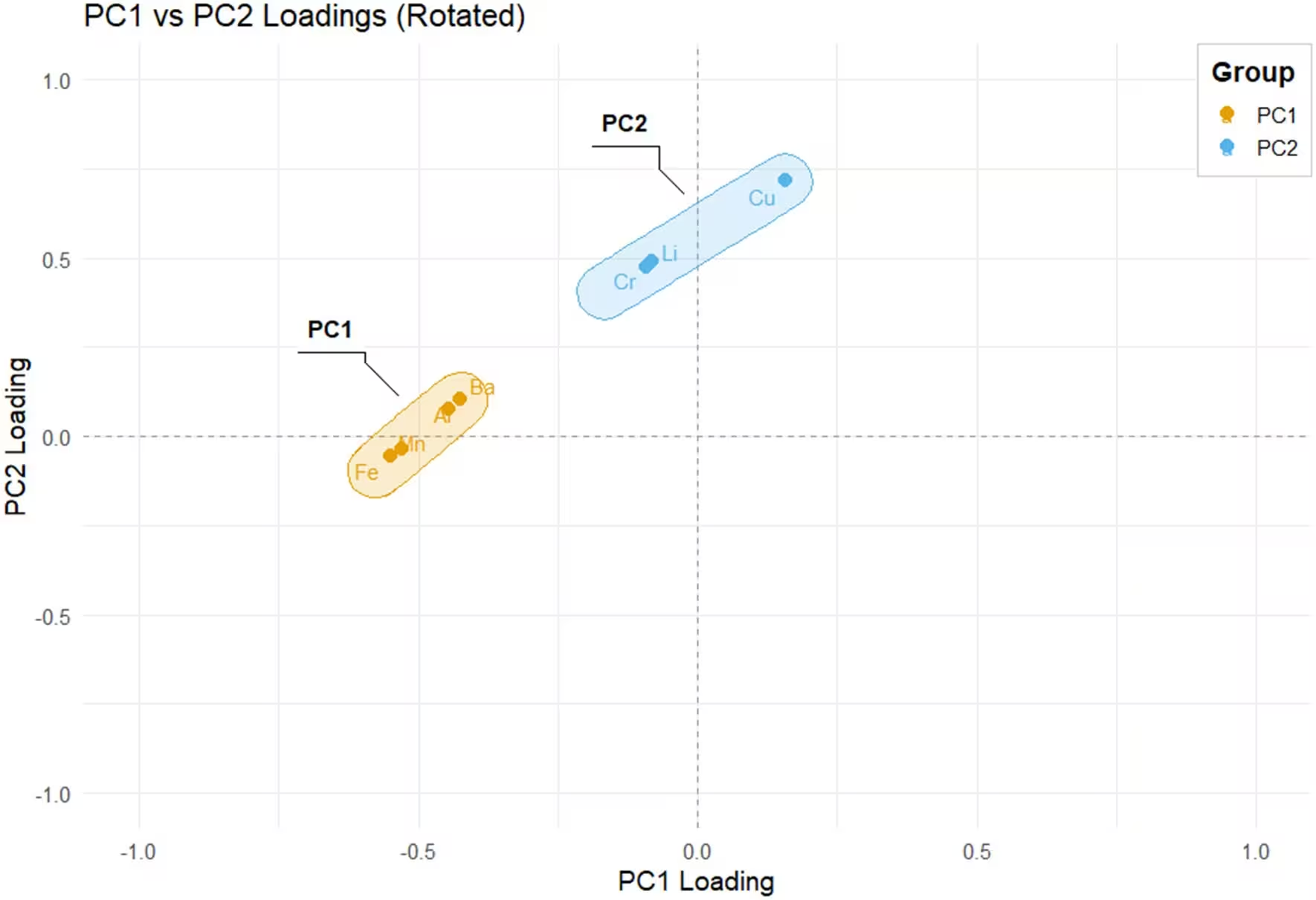
Using rotated principal component analysis, the author examined the underlying sources driving elemental distributions throughout the basin. For water samples, four principal components explained over 91 percent of the total variance, pointing to a mix of natural lithogenic weathering, mineral redox variations, and potential agricultural or anthropogenic inputs. Sediment variance was similarly dominated by natural mineralogical accumulation alongside secondary geochemical processes.
The author emphasizes that while Suğla Lake currently maintains a stable geochemical baseline with limited sediment pollution, ongoing environmental pressures like intensive irrigation and shrinking water volumes require continuous, targeted monitoring. Future conservation efforts must keep a close watch on beryllium and lead in the water as well as cadmium and antimony in local fish populations.
The research was published in PLOS One on November 20, 2026.
This article has been fact checked for accuracy, with information verified against reputable sources. Learn more about us and our editorial process.
Last reviewed on .
Article history
- Latest version
Reference(s)
- Aşıkkutlu, Baran. “Elemental Distribution and Human Health Risk Assessment in Suğla Lake (Türkiye): A multi-compartment approach (Water, Sediment, Fish).” PLOS One, vol. 21, no. 11, November 20, 2026, pp. e0362476 Public Library of Science (PLoS), doi: 10.1371/journal.pone.0362476. <https://doi.org/10.1371/journal.pone.0362476>.
Cite this page:
- Posted by Divya Iyer