Sidama Malaria Study Reveals 26 Percent Infection Rate Across Five Years
Researchers in Ethiopia uncover how standing water and low bed net use drive high parasite prevalence in the Loka Abaya district.
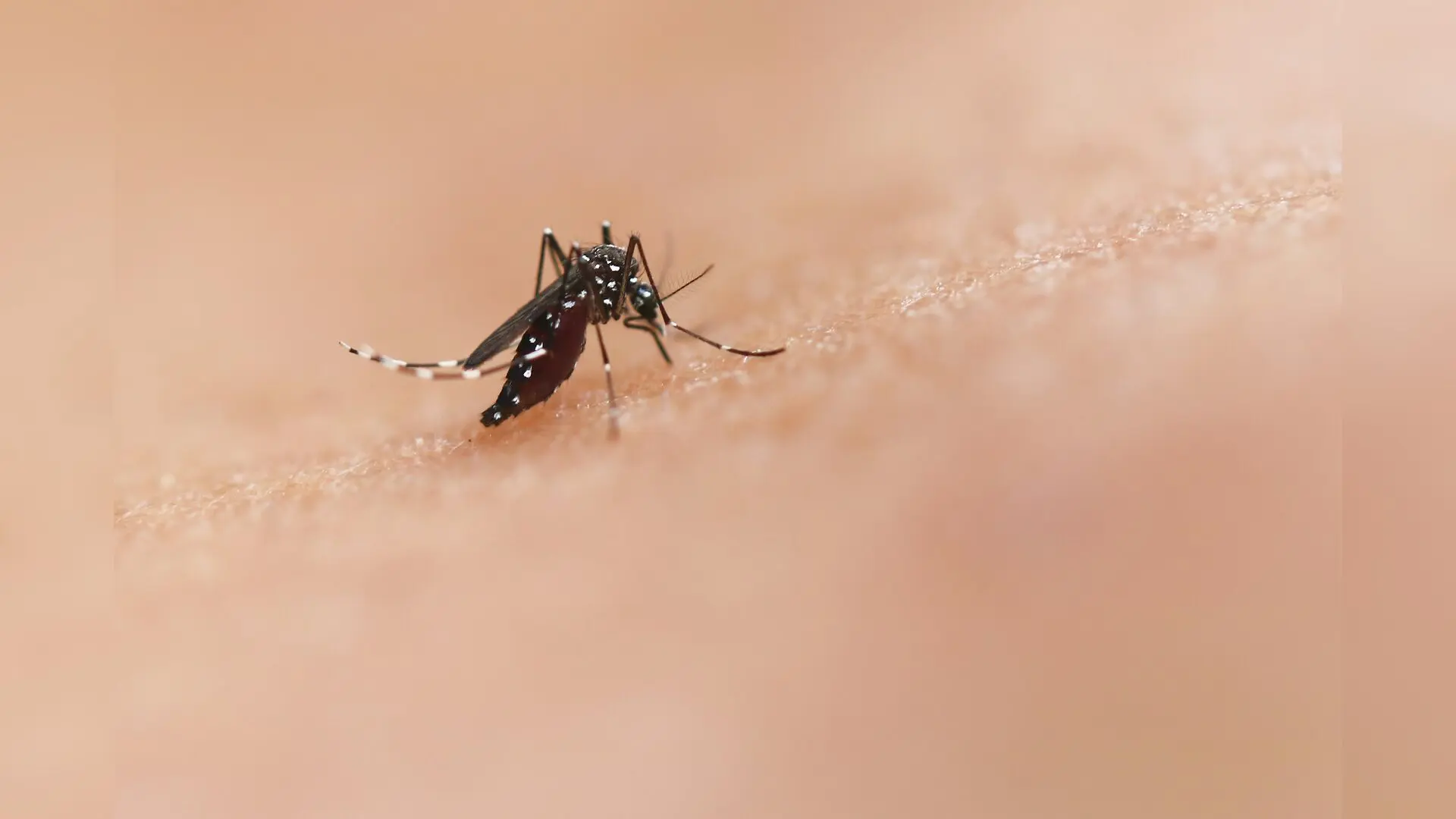
In the lowland valleys of Ethiopia’s Sidama region, researchers have uncovered a staggering 26.2% malaria prevalence rate over a five-year investigation. The study, conducted in the Loka Abaya district located 345 kilometers south of Addis Ababa, highlights how single-celled parasites continue to exert a heavy toll on rural communities despite ongoing public health interventions.
How Mosquito Breeding Sites and Housing Gaps Drive High Infection Rates
To understand the shifting dynamics of the disease, scientists combined a five-year retrospective review of institutional laboratory registries from 2018 to 2022 with a community-based cross-sectional household survey carried out from April to June 2023. During the house-to-house phase, the team collected blood samples and structured questionnaires from 186 febrile patients across multiple kebeles, which are local administrative areas. The detailed findings are published in the Journal of Parasitology Research.
Statistical evaluations revealed striking risk factors influencing who falls ill. Participants living near stagnant water pools, which act as prime breeding grounds for Anopheles mosquitoes, faced a 13 times higher risk of contracting the parasite. Furthermore, individuals who failed to sleep under insecticide-treated bed nets experienced an 18-fold increase in infection likelihood compared to consistent users.
Which Species Dominates and When Do Cases Peak?
Microscopic analysis of blood films showed that Plasmodium falciparum accounted for 58.8% of all confirmed cases, making it the most dominant malaria-causing species in the district. Plasmodium vivax followed closely at 38.8%, while mixed infections made up the remaining 2.4%. Adults aged 15 and older bore the highest burden at 57% of total infections, largely due to outdoor occupational activities such as farming near irrigation canals.
Seasonality played a profound role in case fluctuations. The highest infection surges consistently occurred between September and November, immediately following the main rainy season of June to August. A secondary, smaller peak appeared in May and June after short seasonal rains, while the dry months from December to February saw the lowest transmission rates.
What Limitations and Next Steps Shape Malaria Control?
While the study provides vital localized data, the authors noted several limitations, including reliance on standard microscopy, which can sometimes miss low-density parasitemia or lead to misdiagnosis without molecular tools like polymerase chain reaction confirmation. Variations in local reporting practices and environmental microclimates across the Sidama region also mean these specific percentages may not apply universally to all highland fringes.
Ultimately, the researchers emphasize that targeted interventions must focus on eliminating standing water, improving housing structural integrity by screening windows and wall openings, and expanding bed net distribution. Strengthening community health education remains crucial to driving down transmission and protecting vulnerable populations in high-risk rural districts.
The research was published in Journal of parasitology research on November 17, 2026.
This article has been fact checked for accuracy, with information verified against reputable sources. Learn more about us and our editorial process.
Last reviewed on .
Article history
- Latest version
Reference(s)
- Melese, Mesafint., et al. “Epidemiology and Associated Risk Factors of Malaria Infection in Loka Abaya District, Sidama Region, Ethiopia.” Journal of Parasitology Research, vol. 2026, no. 1, November 17, 2026 Wiley, doi: 10.1155/japr/7993879. <https://doi.org/10.1155/japr/7993879>.
Cite this page:
- Posted by Kamran Akhtar