Can Smartphone Cancer Tracking Ease Outpatient Care Strains
A pilot trial involving solid tumor patients reveals high initial app adoption alongside major hurdles in wearable device data synchronization.
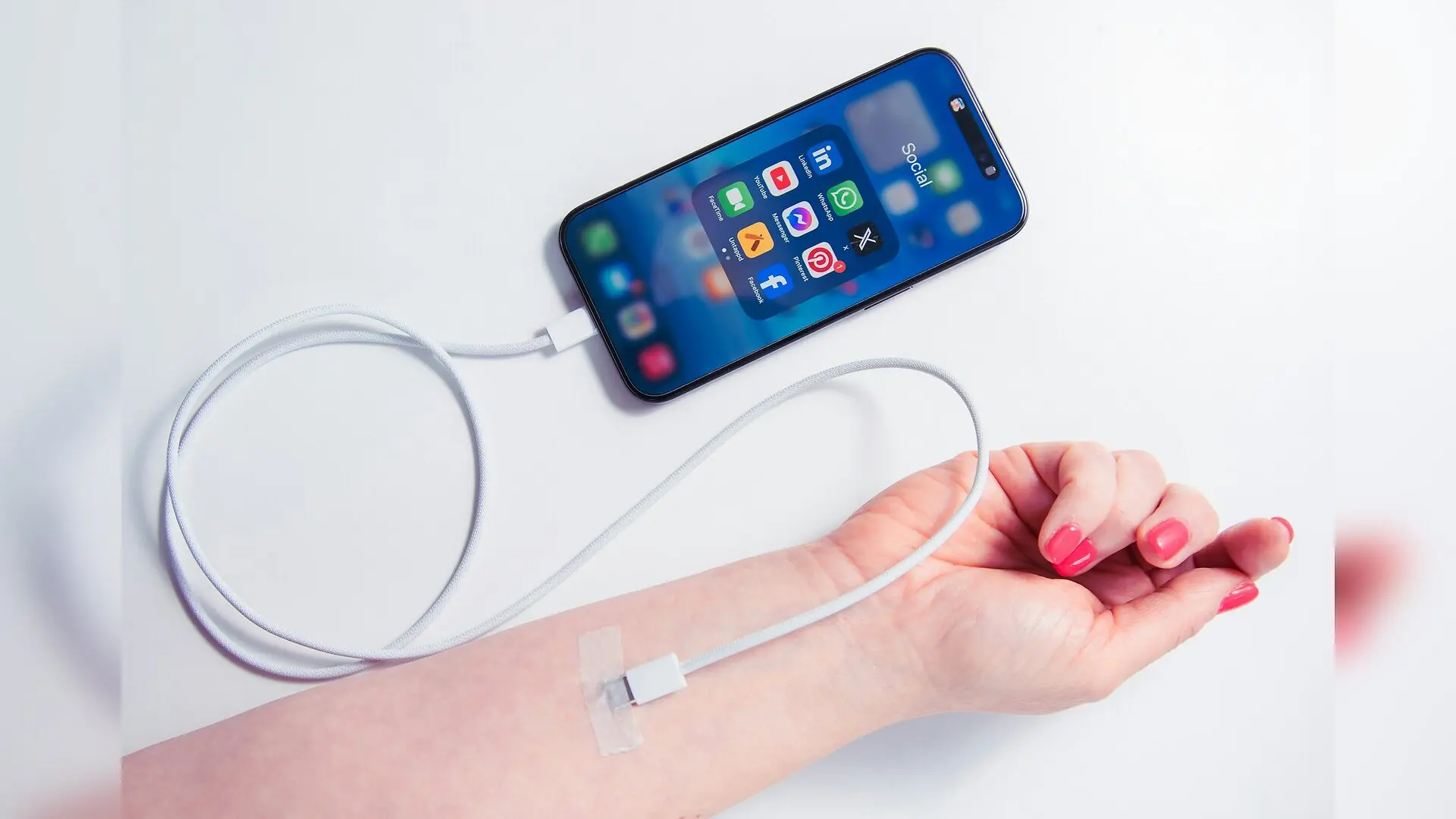
A new pilot trial tracking 30 cancer outpatients reveals that while daily smartphone symptom tracking is achievable for patients with solid tumors, wearable health trackers frequently fail to sync data consistently over a six-month period. The study evaluated whether mobile app check-ins and smart wristbands could bridge the communication gap between scheduled hospital visits for patients dealing with complex chemotherapy or targeted treatments.
The research, published in JMIR Formative Research, examined patients aged 18 to 60 years at an outpatient clinic in Bangkok, Thailand. Participants had diverse diagnoses, including breast, colon, and lung cancers, with 60 percent presenting with stage IV disease at baseline. The trial was designed primarily to test feasibility, patient retention, and digital engagement rather than to prove clinical effectiveness.
How Well Did Patients Engage With Digital Health Monitoring Over Six Months?
All 15 participants assigned to the intervention group successfully downloaded the WellHealth smartphone application and logged symptoms at some point during the study. Over the six-month observation window, these participants recorded a total of 1,834 individual symptom entries. However, active participation dropped significantly as time went on. While nearly 87 percent of intervention participants logged symptoms during the first month, only 40 percent remained active by the sixth month.
Wearable device integration faced even steeper hurdles. Participants were given a Xiaomi Smart Band 7 to track heart rate, step count, and sleep duration. Yet, successful data synchronization occurred on only 27 percent of expected participant-days. Exactly half of the intervention group never managed to sync wearable data successfully, highlighting major technical and behavioral obstacles in passive physiological monitoring outside clinical settings.
What Happened to Quality of Life and Emergency Department Visits?
The trial tracked patient quality of life using the Functional Assessment of Cancer Therapy-General questionnaire, known as FACT-G. While patients in the intervention group showed a numerically higher average total score at six months compared to standard-care controls, the difference did not reach statistical significance after researchers adjusted for multiple statistical comparisons. Physical well-being scores also appeared higher in the app-using group at six months, but that trend similarly lost statistical significance under rigorous multi-test corrections.
Unscheduled emergency department visits related to cancer or treatment side effects occurred in three control-group participants, compared to zero in the intervention-using group. Despite this favorable trend, the absolute risk difference carried wide confidence intervals and lacked statistical significance, meaning researchers cannot conclude that the mobile platform directly prevented emergency visits. Side-effect literacy scores assessed at three months showed no meaningful difference between the two study arms.
What Are the Next Steps for Cancer Remote Monitoring?
The high overall retention rate of nearly 87 percent across all 30 randomized participants demonstrates that cancer outpatients are willing to stay enrolled in longitudinal digital studies. Nevertheless, the stark contrast between active smartphone symptom reporting and poor wearable synchronization points to a clear area for improvement before larger clinical trials begin. Future investigations will need to streamline device pairing, offer automated troubleshooting, and incorporate targeted educational components to determine if remote monitoring can truly improve long-term clinical outcomes in oncology.
The research was published in JMIR formative research on November 17, 2026.
This article has been fact checked for accuracy, with information verified against reputable sources. Learn more about us and our editorial process.
Last reviewed on .
Article history
- Latest version
Reference(s)
- Sainamthip, Panot., et al. “Feasibility and Preliminary Outcomes of Smartphone-Based Remote Patient Monitoring in Patients With Solid Tumors: Pilot Randomized Controlled Trial.” JMIR Formative Research, vol. 10, November 17, 2026, pp. e82041-e82041. JMIR Publications Inc., doi: 10.2196/82041. <https://doi.org/10.2196/82041>.
Cite this page:
- Posted by Sana Malik