Redesigned Drugs Show Potent Activity Against Chagas Disease Parasite
Multidisciplinary teams successfully repurpose and chemically modify existing medications to target drug-resistant protozoan strains.
Patients suffering from Chagas disease, a tropical parasitic infection threatening roughly 7.5 million people worldwide, may soon benefit from a new wave of redesigned medications. Researchers are tackling the severe toxicity and mounting drug resistance of outdated therapies by chemically upgrading existing pharmaceuticals through targeted laboratory techniques.
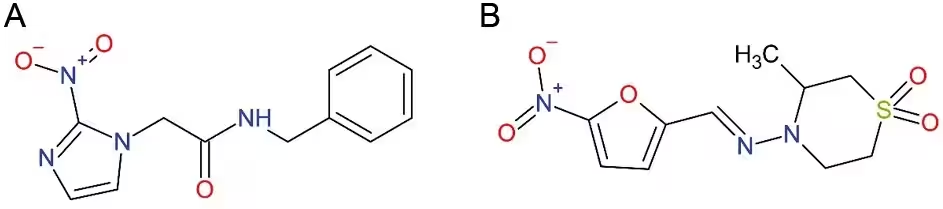
The condition is driven by the protozoan parasite Trypanosoma cruzi, which can cause severe cardiac and digestive damage over decades of chronic infection. Current treatments relying on decades-old nitro derivatives often cause debilitating side effects that prompt nearly a third of patients to stop taking them. To combat this limitation, a collaborative Brazilian research initiative known as the FIOCHAGAS network has focused on drug repositioning and molecular hybridisation strategies.
How Drug Repurposing Reshapes Neglected Disease Therapy
Drug repurposing involves taking medications already approved for other human ailments and altering their chemical structures to target different biological pathways. This approach drastically cuts down development timelines and financial costs compared to starting a drug discovery pipeline from scratch. The multidisciplinary team analyzed non-clinical in vitro and in silico models, combining medicinal chemistry with rigorous parasitological testing against multiple parasite strains.
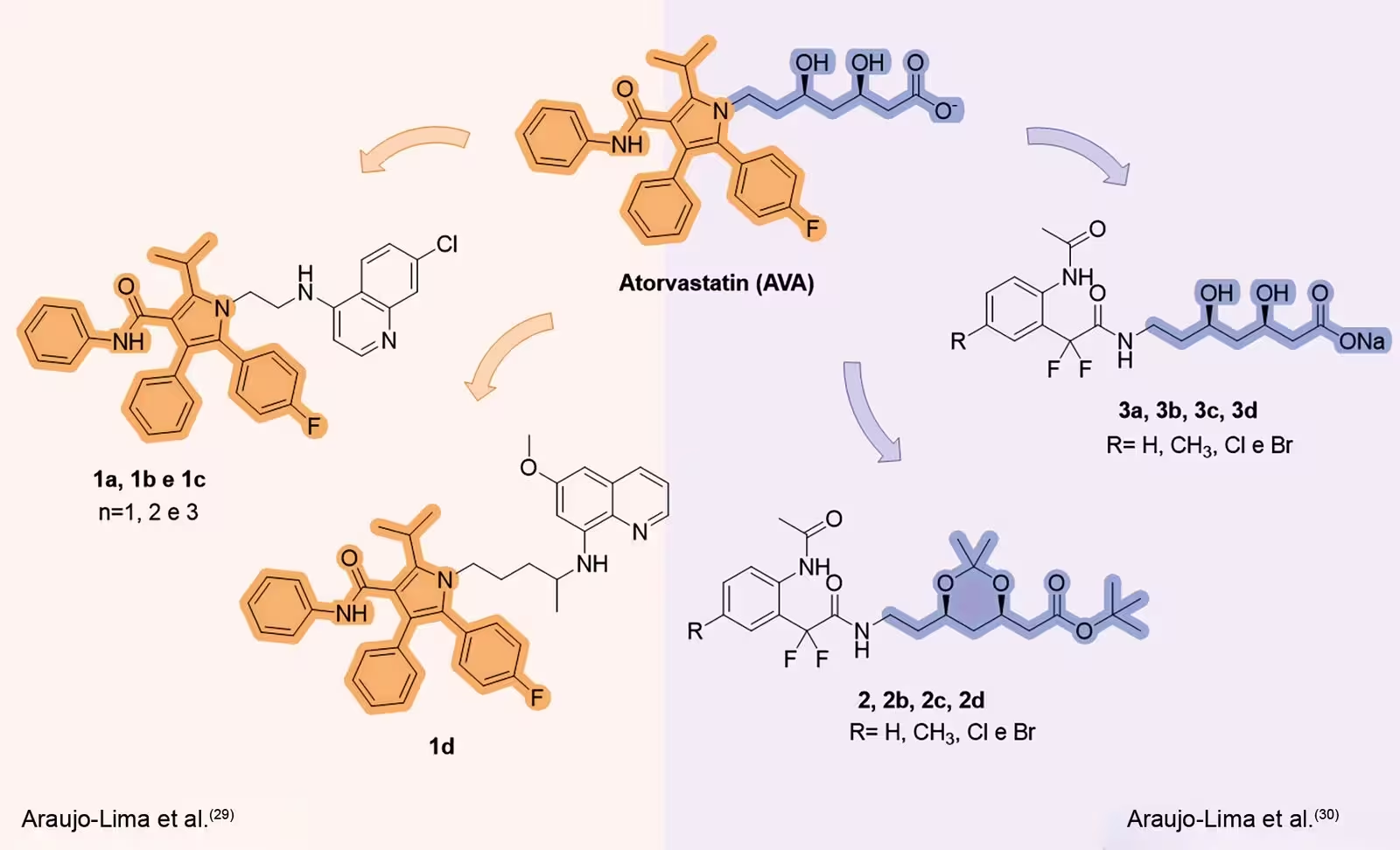
The investigators examined derivatives of atorvastatin, a common cholesterol-lowering statin, alongside modifications of imatinib, a tyrosine kinase inhibitor widely used in cancer therapy. Because Trypanosoma cruzi relies on specific enzymatic pathways for survival and proliferation, interfering with these targets allows scientists to suppress the parasite without destroying host tissues.
Promising Potency Found in Modified Statin and Kinase Inhibitors
When investigating statin-derived compounds, the team discovered that atorvastatin-aminoquinoline hybrids displayed remarkable antiparasitic activity against both bloodstream and intracellular forms of the parasite. As published in Memórias do Instituto Oswaldo Cruz, certain lead compounds such as derivative 1a achieved half-maximal effective concentration values below 3 microM against intracellular parasite stages while maintaining high selectivity indices above 84 in mammalian cell evaluations.
Similarly, structural modifications applied to imatinib successfully separated the compound’s antiparasitic potency from its potential host cell toxicity. A repurposed series of analogues featuring flexible side chains and terminal imidazole rings yielded exceptional potency. Specifically, derivative LS2/89 reached a half-maximal effective concentration of 0.19 microM against intracellular forms, representing a 22-fold increase in potency compared to standard reference treatments.
What Challenges Remain Before Human Clinical Trials Begin
Despite these encouraging laboratory metrics, experts note several critical barriers before any of these compounds can advance to human clinical trials. While early in vitro screening shows high efficacy against both susceptible and drug-resistant parasite strains, translating laboratory potency into sterile cures inside living mammalian hosts remains historically difficult.
Furthermore, safety evaluations revealed that certain structural changes introduced unwanted genotoxic effects in specific cellular assays, highlighting the delicate balance required in molecular design. The research team emphasizes that continued optimisation of these hybrid structures will be essential to ensure long-term metabolic stability and safety profiles suitable for clinical advancement.
The research was published in Memorias do Instituto Oswaldo Cruz on November 16, 2026.
This article has been fact checked for accuracy, with information verified against reputable sources. Learn more about us and our editorial process.
Last reviewed on .
Article history
- Latest version
Reference(s)
- Soeiro, Maria de Nazaré Correia., et al. “Contributions of the FIOCHAGAS network partnership between medicinal chemistry and parasitology groups through repurposing new drug candidates for Chagas disease.” Memórias do Instituto Oswaldo Cruz, vol. 121, no. suppl 2, January 1, 2026 FapUNIFESP (SciELO), doi: 10.1590/0074-02760250374. <https://doi.org/10.1590/0074-02760250374>.
Cite this page:
- Posted by Susan White