New Long-Term Study Reveals Most Children Successfully Bounced Back From Pandemic Disruptions
New long-term research reveals that most children have successfully recovered from the developmental and emotional impacts of the COVID-19 pandemic.
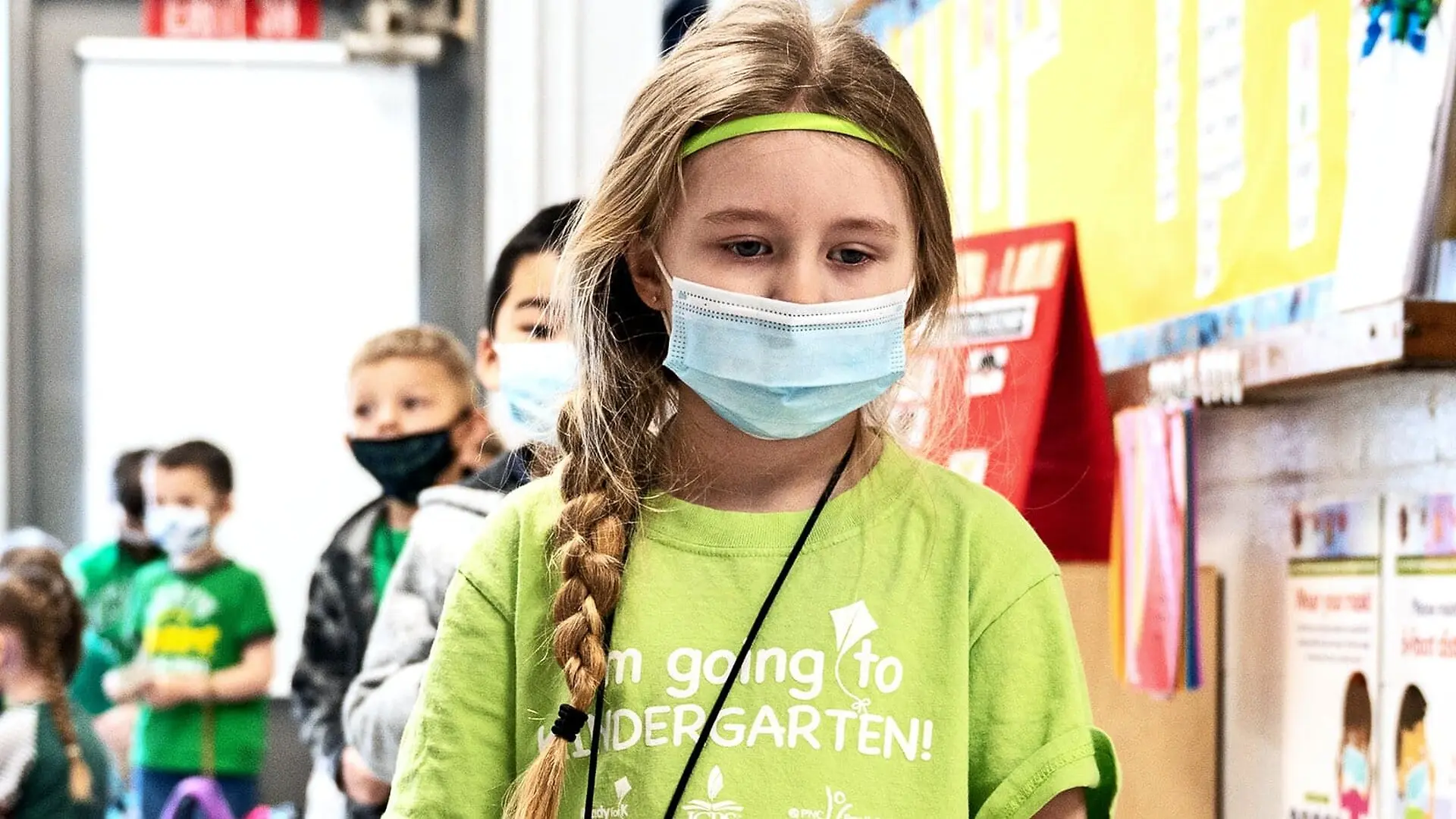
The long-term shadow of the COVID-19 pandemic on youth development may be significantly shorter than initial projections suggested. A comprehensive analysis of 17 longitudinal studies, representing data from six different nations, reveals that the widespread developmental crisis once feared by experts largely failed to materialize, as most children demonstrated a notable capacity for recovery.
Challenging the Narrative of Universal Decline
The findings, published in the journal Child Development, indicate that while the pandemic caused undeniable disruptions to learning and social growth, the majority of children experienced significant rebounds in their physical and emotional well-being. This conclusion provides a sharp contrast to early reports, which were frequently based on snapshot data captured during the height of global lockdowns.
The research emphasizes that while the impact was broad, it was far from uniform. Researchers found that resilience was the dominant trend among the youth population, rather than the permanent, universal scarring that dominated early public discourse.
The Role of Pre-existing Inequality
However, the study also highlights that the pandemic did not affect all demographics equally. When researchers observed lasting developmental setbacks, they were predominantly linked to children who were already navigating systemic challenges—such as poverty or limited access to resources—long before the virus arrived.
“This means children’s resilience ensured the pandemic’s consequences were not universally catastrophic, and they weren’t uniform either, which is a cause for optimism,” explains Gabriela Livas, professor and chair of the human development and family sciences department at the University of Texas at Austin and a coeditor of the collection.
Livas notes that the trajectory of a child’s development remained heavily influenced by factors that existed independent of the pandemic. In her own research focused on low-income families in cities like Tulsa, Oklahoma, she found that behavioral markers remained largely stable. Teachers reported no significant spikes in aggression or attention deficits, with only minor shifts in prosocial behaviors like empathy and cooperation.
Moving Beyond the ’Learning Loss’ Label
The research team suggests that the pervasive framing of universal “learning loss” may have been overly pessimistic, failing to account for the complex interplay between societal disruptions and individual development. By looking at long-term outcomes, the studies shift the focus toward the importance of environmental context.
“Overall, the evidence in this special section challenges dominant narratives of universal ‘learning loss,’ suggesting instead that COVID-19 interacted with existing inequalities,” says Anna D. Johnson of Georgetown University, who coedited the research collection. The findings ultimately underscore a story of adaptability, pointing to the essential role of support systems and external context in shaping the developmental paths of children in the post-pandemic era.
This article has been fact checked for accuracy, with information verified against reputable sources. Learn more about us and our editorial process.
Last reviewed on .
Article history
- Latest version
Reference(s)
- Johnson, Anna D., et al. “What the COVID pandemic did—and did not do—To children: Introduction to the special section.” Child Development, vol. 97, no. 5, August 18, 2026, pp. 1453-1457. Oxford University Press (OUP), doi: 10.1093/chidev/aacag153. <https://doi.org/10.1093/chidev/aacag153>.
Cite this page:
- Posted by Tariq Hassan