Common Battery Components Can Be Manufactured Without Forever Chemicals
A rigorous review of regulatory filings and commercial teardowns suggests viable technical alternatives already exist for most energy storage applications.
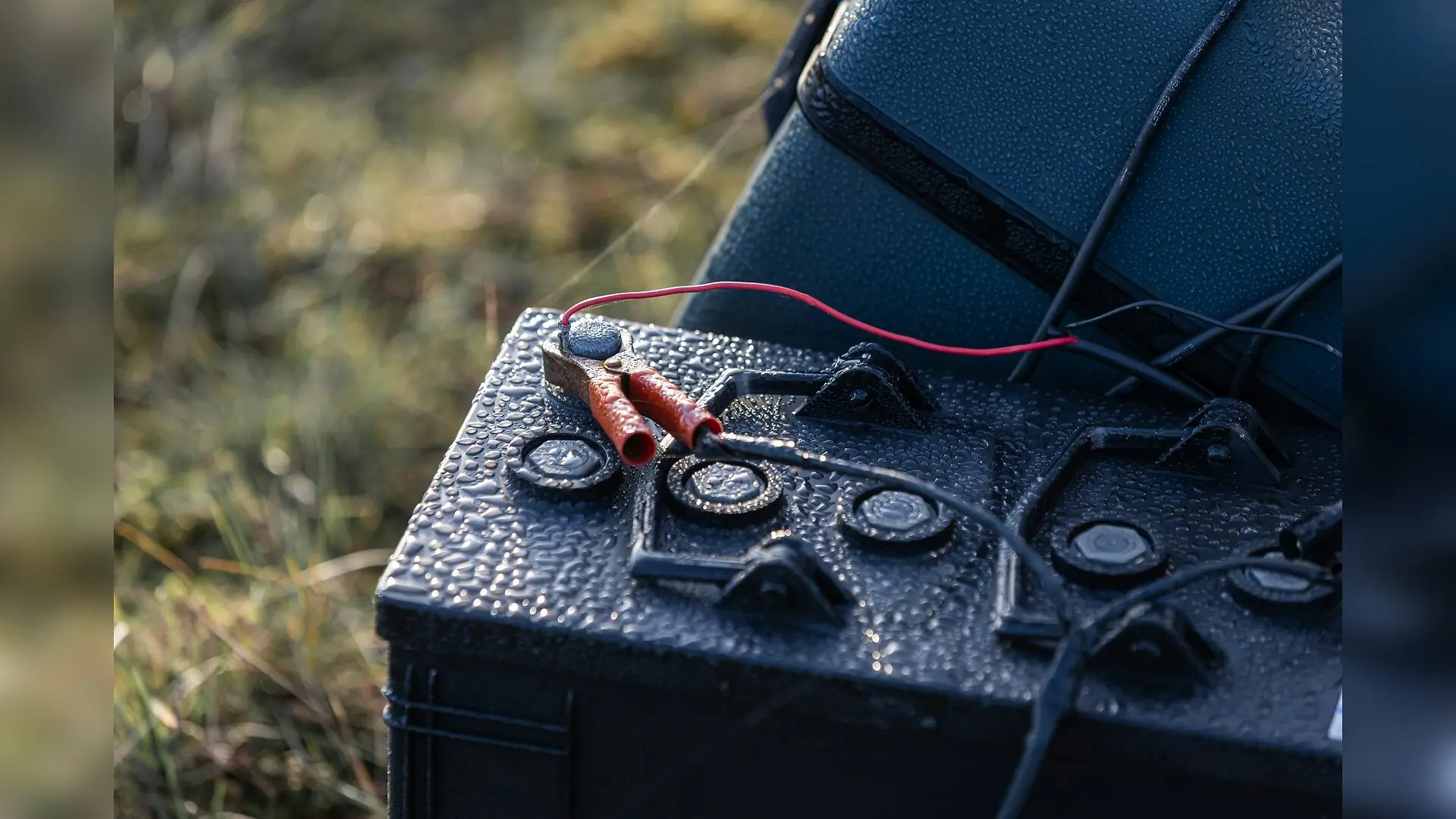
A sweeping new analysis of European Union chemical consultation filings reveals that many commercial battery components can be manufactured without per- and polyfluoroalkyl substances, challenging long-held industry assumptions about the necessity of these persistent chemicals in energy storage. The global push to replace fossil fuels with renewable energy sources has driven an unprecedented surge in battery manufacturing, yet this technological shift creates growing tension with planetary boundaries for novel chemical entities. To understand where and why these durable fluorinated compounds are deployed in modern energy storage, researchers sifted through thousands of regulatory consultation submissions to map specific chemical functionalities across diverse battery architectures. The complete findings are published in Environmental Science: Processes & Impacts, offering a detailed database designed to guide future safety evaluations and chemical substitution efforts.
How Researchers Built the Comprehensive Battery Chemical Database
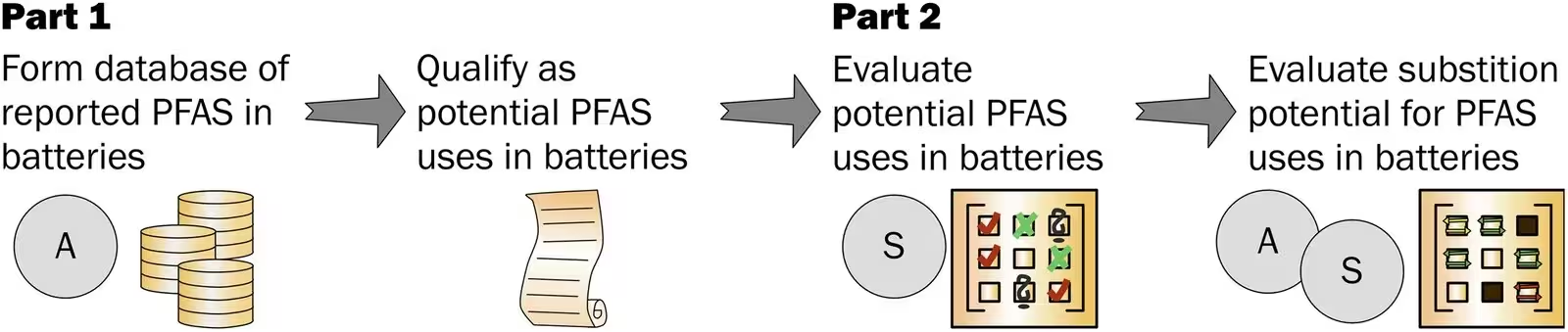
Led by environmental scientists including Amanda Rensmo and Ian T Cousins, the research team examined more than 5,600 public submissions submitted to the European Chemicals Agency during the 2023 Annex XV public consultation on a proposed universal restriction of these persistent substances. Out of this massive dataset, the authors extracted 341 records detailing specific chemical applications in energy storage and organized them into a structured evaluation framework. This taxonomy connected specific manufacturing roles to underlying technical functions, sorting records by application, battery technology, and internal component structure.
The investigators then applied a rigorous decision-making model to evaluate which submissions contained sufficient, reliable data to qualify as credible commercial applications rather than laboratory-scale experiments or vague assertions. Only 78 records met these strict validation thresholds, representing 36 distinct potential use cases across primary and secondary battery systems. To test whether these theoretical uses matched real-world manufacturing realities, the team gathered supporting evidence from 20 previous use-mapping studies, direct stakeholder interviews with 62 supply chain companies, 12 teardown-analysis reports of commercial hardware, and targeted academic literature reviews.
Which Battery Components Actually Rely on Persistent Fluorinated Compounds
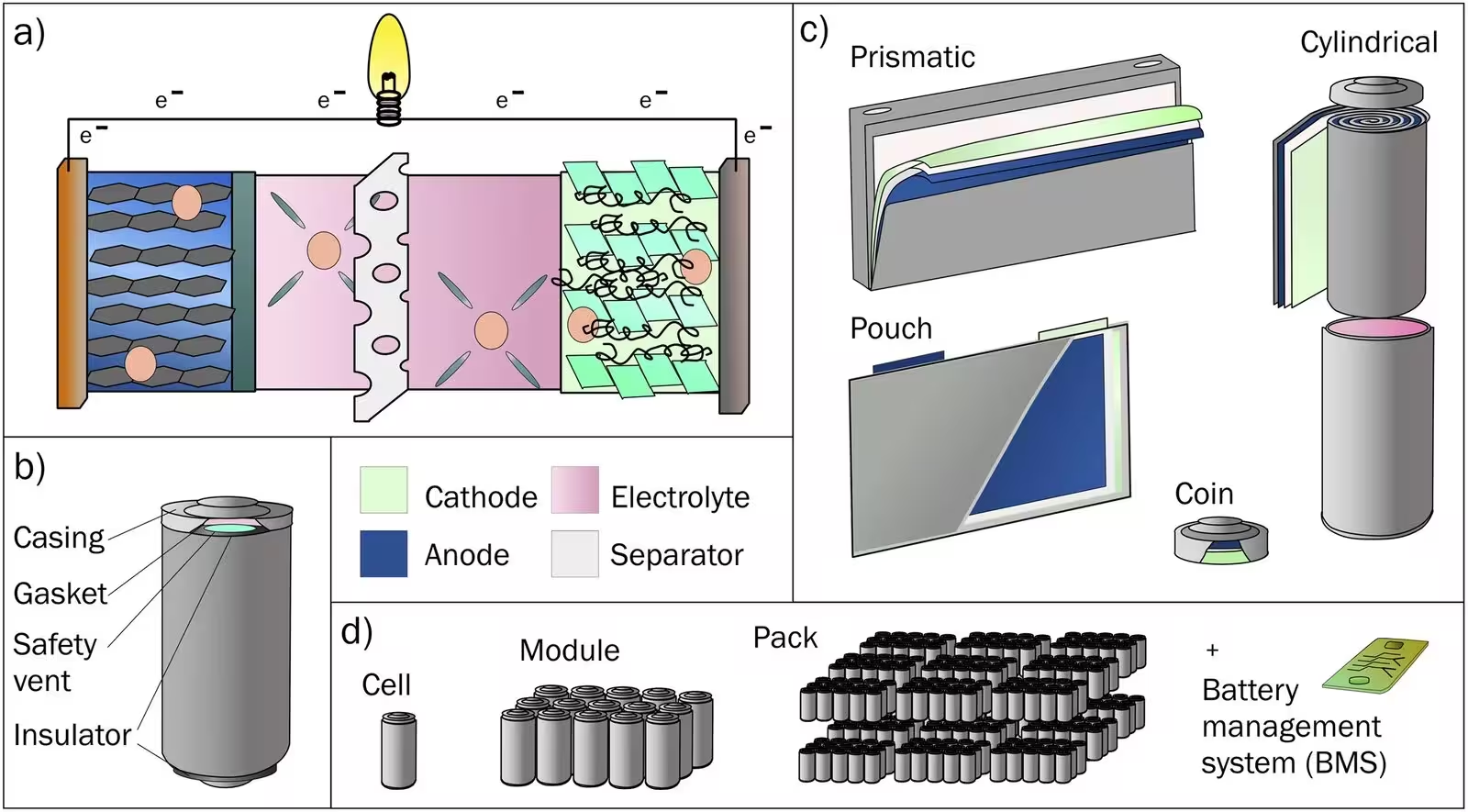
By weighting all available lines of evidence on a six-point scale, the authors confirmed 16 distinct applications where these persistent chemicals are actively utilized in commercial batteries, while successfully contradicting two previously assumed uses. The investigation determined that lithium-ion battery cathodes predominantly rely on fluoropolymers such as polyvinylidene fluoride to serve as chemical binders holding electroactive particles together. However, the study also revealed that anodes in standard lithium-ion batteries generally employ non-fluorinated binding agents like styrene-butadiene rubber and carboxymethyl cellulose, making them confirmed non-fluorinated applications despite earlier literature claims to the contrary.
The evaluation further showed that standard liquid electrolytes in lithium-ion systems frequently incorporate fluorine-based salts like lithium hexafluorophosphate to maintain required ionic conductivity, while high-performance variants sometimes add specialized fluorinated compounds for enhanced thermal stability. Similarly, microporous separator films made of polyethylene or polypropylene were found to be largely free of fluorinated additives in baseline configurations, though ceramic-coated separators designed for extreme thermal resilience occasionally utilize fluorinated binding agents or adhesion promoters.
Why Commercially Available Alternatives Could Transform Energy Storage Design
A central goal of the investigation was assessing whether technically feasible, fluorine-free alternatives already exist on the commercial market. The authors found that viable substitutes are already available for nearly all confirmed use cases, demonstrating that technical performance does not inherently depend on persistent fluorinated compounds. For instance, lithium iron phosphate cathode chemistries are largely insensitive to water, enabling the widespread adoption of aqueous processing techniques that entirely eliminate the need for toxic solvents and fluoropolymer binders.
Sodium-ion batteries emerged as a particularly promising alternative technology, as the team concluded that all components within sodium-ion systems can be produced without these persistent chemicals while delivering comparable service functions for specific stationary and mobility applications. Although transitioning manufacturing infrastructure involves significant economic hurdles, such as replacing multi-million-dollar processing plants configured for solvent recovery, the study indicates that technical substitution barriers are far lower than frequently claimed in regulatory disputes.
The research was published in Environmental science. Processes & impacts on November 12, 2026.
This article has been fact checked for accuracy, with information verified against reputable sources. Learn more about us and our editorial process.
Last reviewed on .
Article history
- Latest version
Reference(s)
- Rensmo, Amanda., et al. “Inside the battery box: a cross-technology assessment of PFAS uses, functions, and substitution potential.” Environmental Science: Processes & Impacts, January 1, 2026 Royal Society of Chemistry (RSC), doi: 10.1039/d6em00349d. <https://doi.org/10.1039/d6em00349d>.
Cite this page:
- Posted by Divya Iyer