Simple Statistical Model Outperforms Complex NOAA Systems in Atlantic Hurricane Forecasting
A new multiple linear regression approach leverages observed wind shear and sea surface temperatures to improve seasonal storm outlooks.
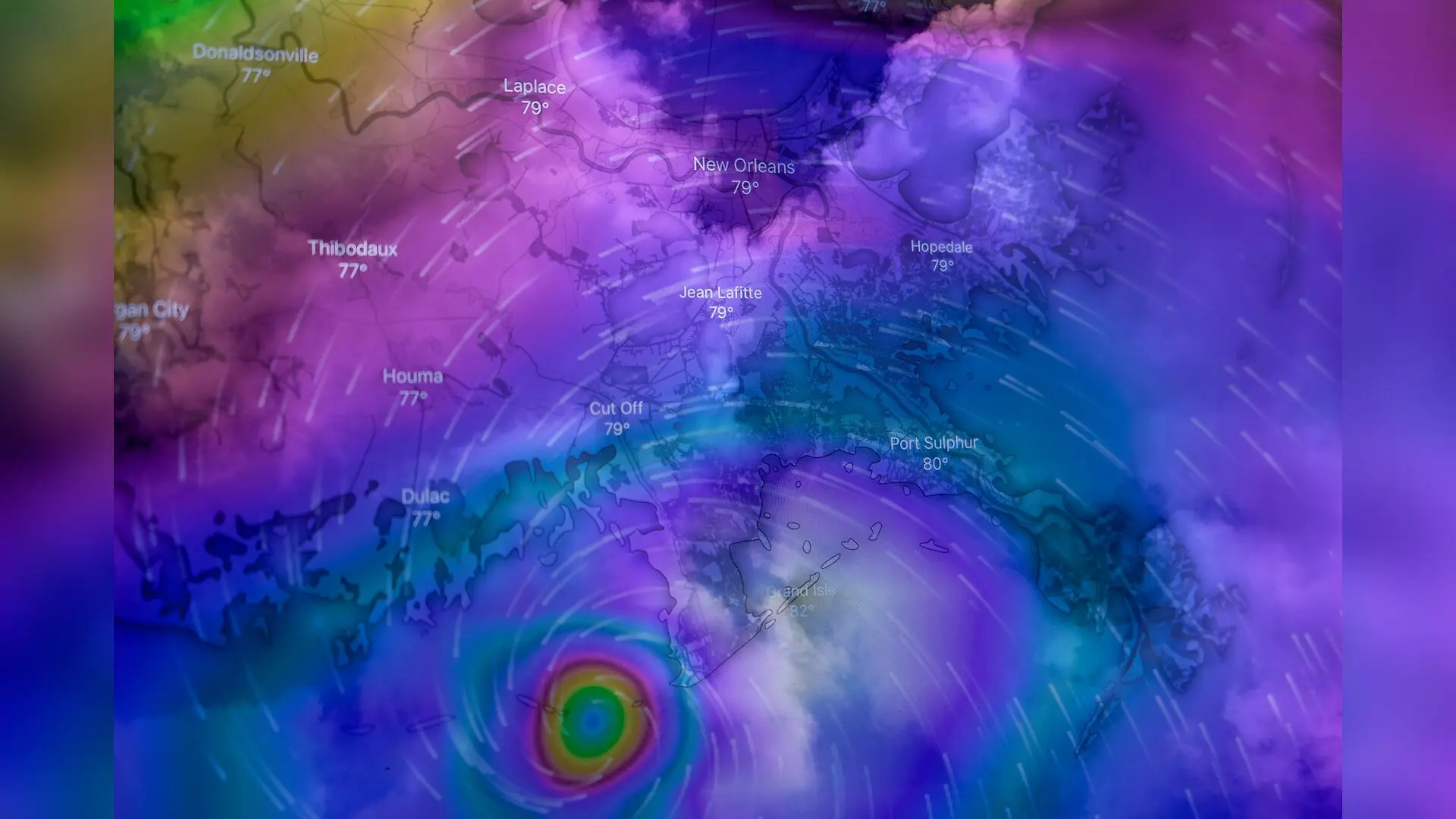
A new multiple linear regression model utilizing just two atmospheric and oceanic indicators outperforms complex hybrid forecasting systems in predicting Atlantic hurricane activity, according to a recent evaluation. The study examines storm metrics from the bustling 1982 through 2024 seasons across the North Atlantic basin, where sea surface temperatures and atmospheric winds drive immense interannual volatility.
Atlantic hurricanes, which form primarily between June and November, pose severe hazards to coastal populations and infrastructure across North America and the Caribbean. Each year, the National Oceanic and Atmospheric Administration issues seasonal outlooks to help communities prepare for named storms, hurricanes, major hurricanes, and overall accumulated cyclone energy. Enhancing the predictive skill of these forecasts remains a vital scientific and societal goal.
The research team built their statistical approach using two key observational metrics measured before and during the early hurricane season. The first indicator is the vertical zonal wind shear anomaly across the tropical North Atlantic, which measures how wind speeds change with altitude between 200 hectopascals and 850 hectopascals. The second indicator is sea surface temperature anomalies within the hurricane Main Development Region, spanning from 10 degrees to 20 degrees North and 80 degrees to 20 degrees West. These findings were published in PLOS Climate.
Comparing Performance Against Complex Hybrid Models
The authors evaluated the retrospective forecast skill of their new multiple linear regression model against two operational hybrid systems used by the National Oceanic and Atmospheric Administration, known as Hyb_CFSv2 and Hyb_NMME. Across the 2008 to 2024 validation period, the statistical model achieved higher anomaly correlation skill scores for most metrics, averaging about 0.62 compared to roughly 0.50 for the hybrid counterparts. The simpler model matched or exceeded the hybrid tools in forecasting named storm numbers, hurricane counts, and accumulated cyclone energy.
Why Observational Persistence Outperforms Dynamical Models
The superior performance of the statistical model stems from the high persistence of ocean temperatures and the current limitations of dynamical wind shear predictions. While dynamical computer models often struggle to accurately forecast wind shear and sea surface temperature anomalies months in advance due to model drift and initialization errors, the ocean possesses massive thermal inertia. Once sea surface temperatures warm up significantly by June, they tend to persist through the peak months of the hurricane season.
Real Time Testing During the 2025 Hurricane Season
The research team put their model to a real-world test by submitting forecasts for the 2025 hurricane season based on data from March and June. The March prediction leaned toward an above-normal season, while the June update shifted to a near-normal forecast as negative wind shear anomalies and positive sea surface temperature anomalies weakened. Observations ultimately recorded 13 named storms, 5 hurricanes, and 4 major hurricanes during 2025, demonstrating the value of timely updates.
The authors acknowledge several limitations, including the relatively short 17-year verification window and the fact that climate change may alter baseline atmospheric and oceanic states over time. Continued monitoring and annual model updates will be necessary to ensure long-term operational reliability as global climate patterns evolve.
The research was published in PLOS Climate on November 17, 2026.
This article has been fact checked for accuracy, with information verified against reputable sources. Learn more about us and our editorial process.
Last reviewed on .
Article history
- Latest version
Cite this page:
- Posted by Kamran Akhtar