European Port Project Tests Ammonia Bunkering and Off-Peak Trucking
Living lab trials across European transport hubs reveal both technical milestones and economic barriers in the push for port decarbonization.
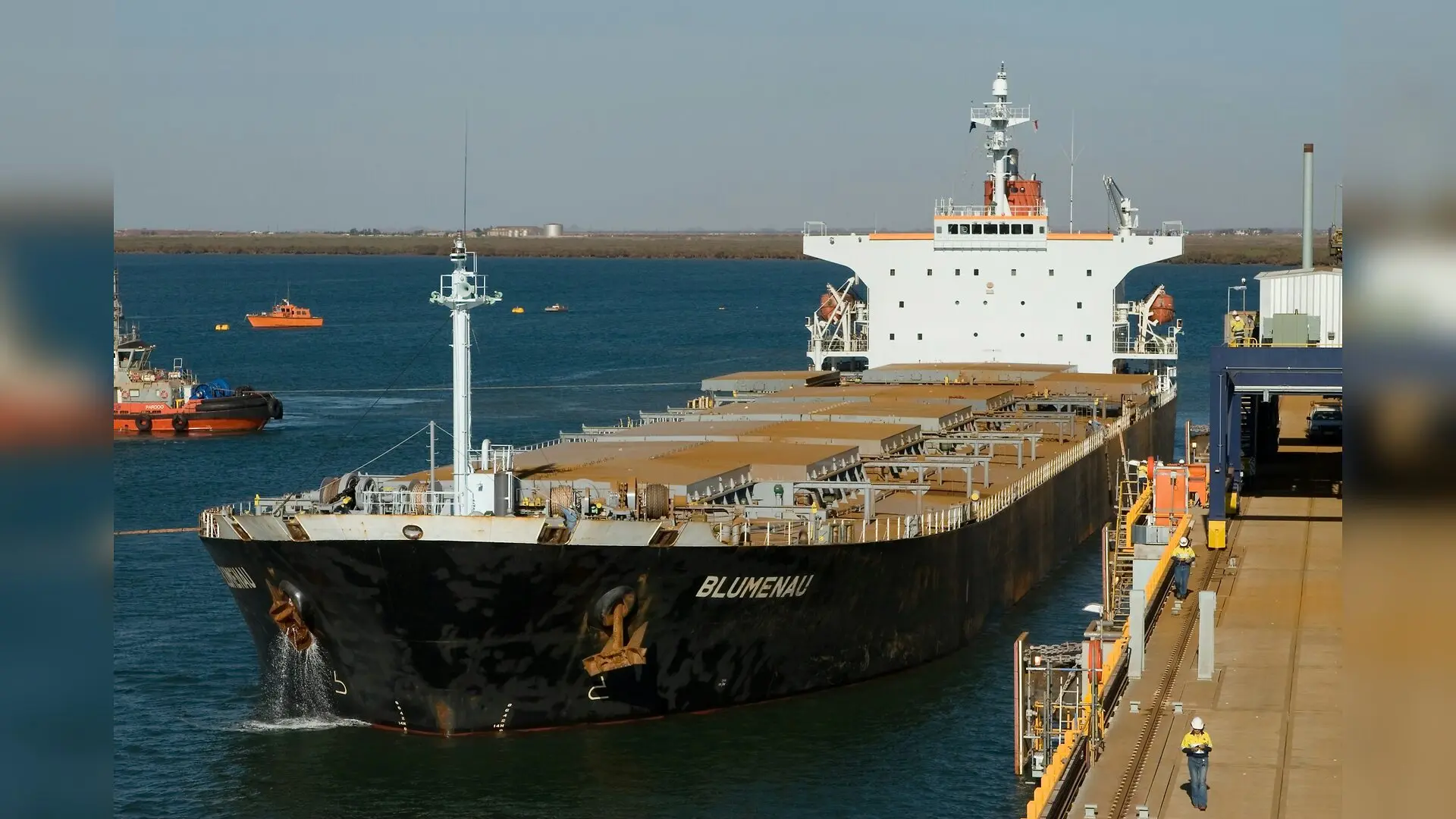
Port areas face significant air quality and climate challenges, with global shipping and transport contributing heavily to greenhouse gas emissions and urban air pollution. Operating in the Port of Rotterdam and other major European hubs, researchers coordinated a comprehensive living lab initiative to test green technologies across maritime, inland waterway, and land-based transport networks. The findings were published in Re-Generation in Transport, detailing both technical milestones and non-technological roadblocks encountered between 2021 and 2026.
How Safe Is Ammonia Bunkering in Busy Commercial Ports?
Researchers tested the transfer of 800 cubic meters of liquid, cold ammonia at minus 33 degrees Celsius between two ships at the Maasvlakte 2 APM terminal in the Port of Rotterdam. The operation validated the port safety framework, demonstrating that such transfers can be executed without accidental chemical release. Safety studies, including dispersion models and hazard identification analyses, guided the operational rules for the pilot. Investigators noted that commercial uptake of ammonia still requires dedicated midstream infrastructure, transparent certification schemes, and policy support to bridge the price gap between renewable fuels and fossil alternatives.

Other physical trials encountered unexpected hurdles that required rapid re-engineering. An offshore charging buoy designed to supply electrical power to service operation vessels in wind farms underwent model tests in a water tank facility. Those tests revealed unfavorable dynamics, including severe snap loads in mooring lines and regular submerging in extreme waves, leading project teams to conclude the design was not viable for year-round North Sea conditions. This failure prompted a pivot toward a monopole loading tower concept scheduled for testing in 2026.
Can Off-Peak Truck Distribution Ease Port Congestion?
To optimize land-based transport, investigators analyzed around 2.9 million truck journeys and introduced digital tools such as the Port Alert application to provide real-time turnaround insights. A pilot focused on off-peak distribution successfully exceeded its target by shifting 23.6 percent of truck activity outside peak operational hours, saving an average of 10 minutes per ride. Transport companies acknowledged the efficiency gains, though broader adoption remains constrained by a shortage of night drivers and higher personnel costs for nocturnal operations.

On the digital front, the project developed a greenhouse gas emissions calculation tool to track carbon footprints across specific cargo types and transport segments. Additional platforms included an energy matching tool to balance green energy supply and demand, and a synchro-modal container transport model aimed at shifting freight from deep-sea docks to inland barge networks along the West-German Canal Network.
What Are the Financial and Governance Barriers to Green Port Upgrades?
The consortium found that technological innovation alone is insufficient without supportive regulatory frameworks and economic incentives. Price-based policy measures evaluated during the project failed to eliminate the cost disparity between fossil fuels and sustainable alternatives, and price differentiation on port dues yielded minimal impact. Furthermore, data-sharing challenges, such as difficulties obtaining grid data from the Port of Rotterdam, forced teams to redirect specific digital demonstrations to the Port of Sines.
Investigators emphasized that successful deployment relies on a coalition of scientific researchers, risk-tolerant market investors, and public sector partners. Without flexible capital expenditure funding and harmonized governance, large-scale decarbonization initiatives across European transport corridors will face persistent delays.
The research was published in Re-Generation in Transport on November 20, 2026.
This article has been fact checked for accuracy, with information verified against reputable sources. Learn more about us and our editorial process.
Last reviewed on .
Article history
- Latest version
Reference(s)
- Flikkema, Maarten., et al. “MAGPIE: Navigating to Clean and Smart Logistics to, from and in Ports.” Lecture Notes in Mobility, November 20, 2026, pp. 452-459. Springer Nature Switzerland, doi: 10.1007/978-3-032-36095-3_56. <https://doi.org/10.1007/978-3-032-36095-3_56>.
- Posted by Kamran Akhtar