Climate Anomalies Threaten Semen Quality in Colombia’s Vital Fish
New research reveals how El Niño-driven warming alters sperm kinematics and antioxidant capacity in the vulnerable bocachico fish.
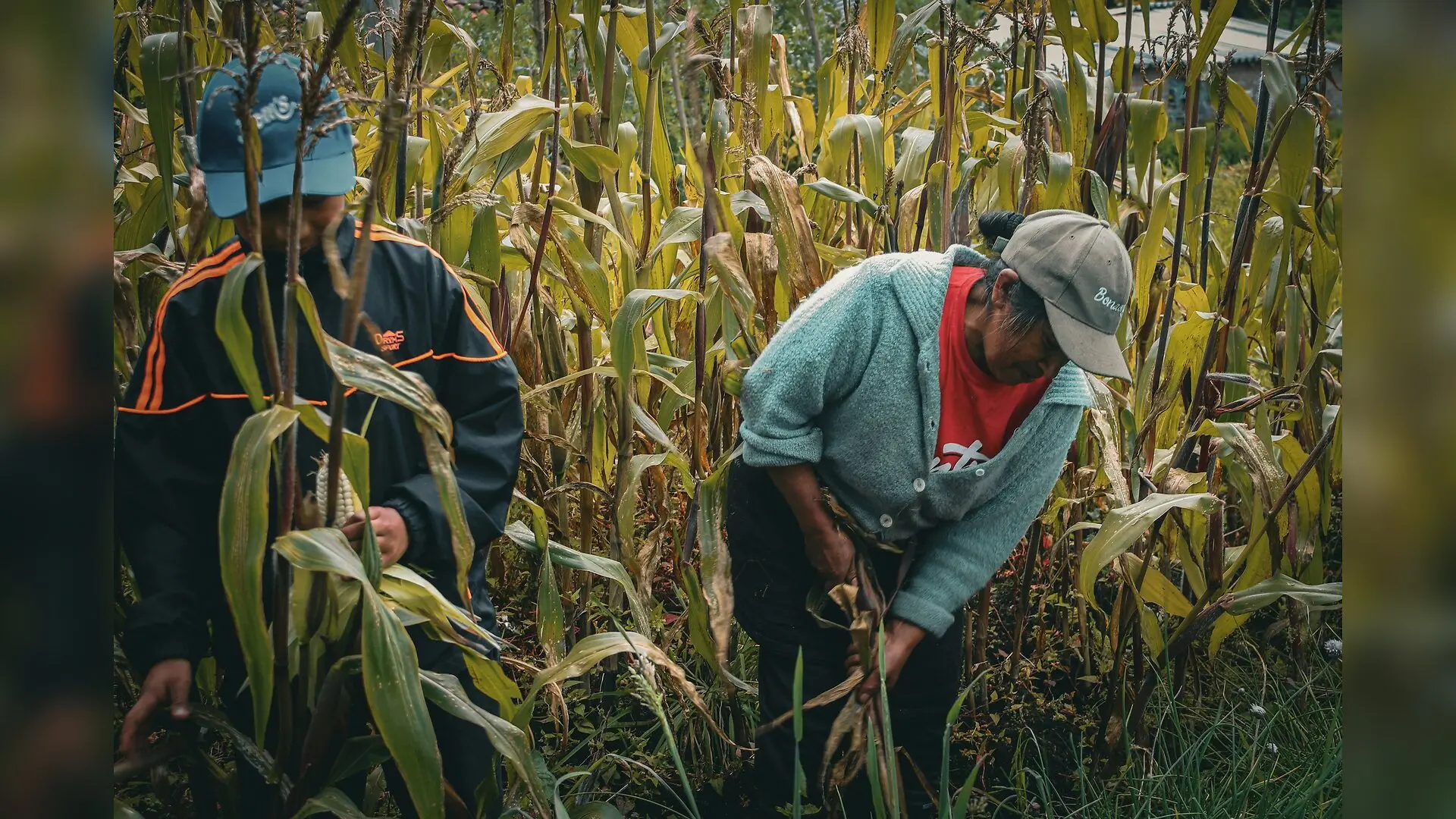
Colombia’s most vital freshwater fish is facing an unexpected biological challenge as rising waters and climate anomalies test the limits of its reproductive resilience. The bocachico fish (Prochilodus magdalenae), a cornerstone of artisanal fisheries and food security along the Magdalena, Cauca, Atrato, and Sinú rivers, has seen its wild catches plummet from 40,000 tons in 1975 to just 4,517 tons by 2020 due to overfishing and habitat destruction. Now, new research reveals that extreme climate shifts driven by the El Niño-Southern Oscillation (ENSO) can severely impair the quality of the species’ gametes, presenting a fresh hurdle for conservationists attempting to breed the vulnerable fish in captivity.
Between 1975 and 2020, environmental degradation, habitat fragmentation caused by hydroelectric dams, and intense fishing pressure pushed the bocachico toward a vulnerable conservation status. As a migratory species that relies heavily on seasonal flood pulses to trigger spawning, its natural reproductive cycles are tightly bound to climatic rhythms. In the Sinú River basin, bocachico naturally exhibits two annual reproductive peaks, which normally produce equivalent numbers of larvae and comparable reproductive output. To understand how these cycles hold up under climatic stress, a team of researchers tracked 73 captive male bocachico across two distinct spawning seasons, with findings published in PLOS One.
How El Niño Alters Seminal Plasma and Reduces Antioxidant Defenses
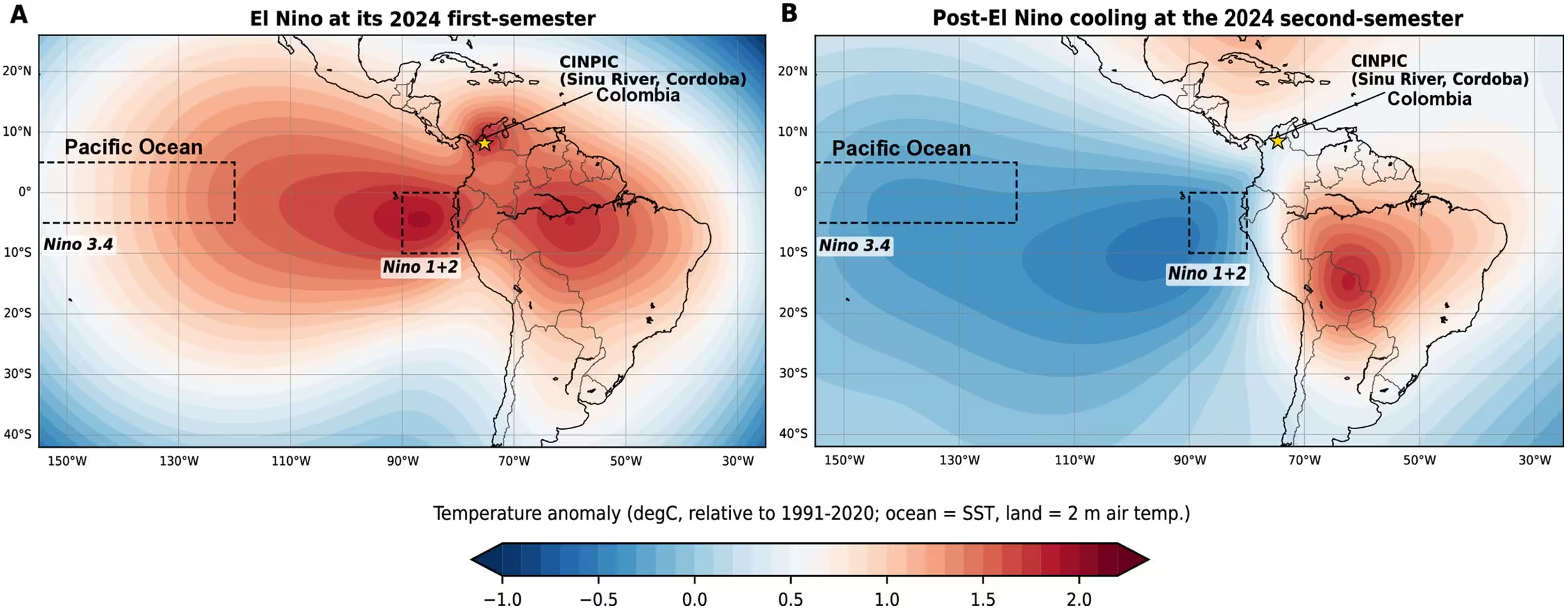
The research team evaluated semen samples from captive males housed in earthen ponds at the Fish Culture Research Institute of the University of Córdoba (CINPIC) in Montería, Colombia. The first reproductive peak occurred early in the year under the influence of a strong El Niño event, characterized by severe drought and high pond water temperatures averaging 30.4 degrees Celsius. The second peak occurred later under neutral conditions with moderate temperatures averaging 27.6 degrees Celsius.
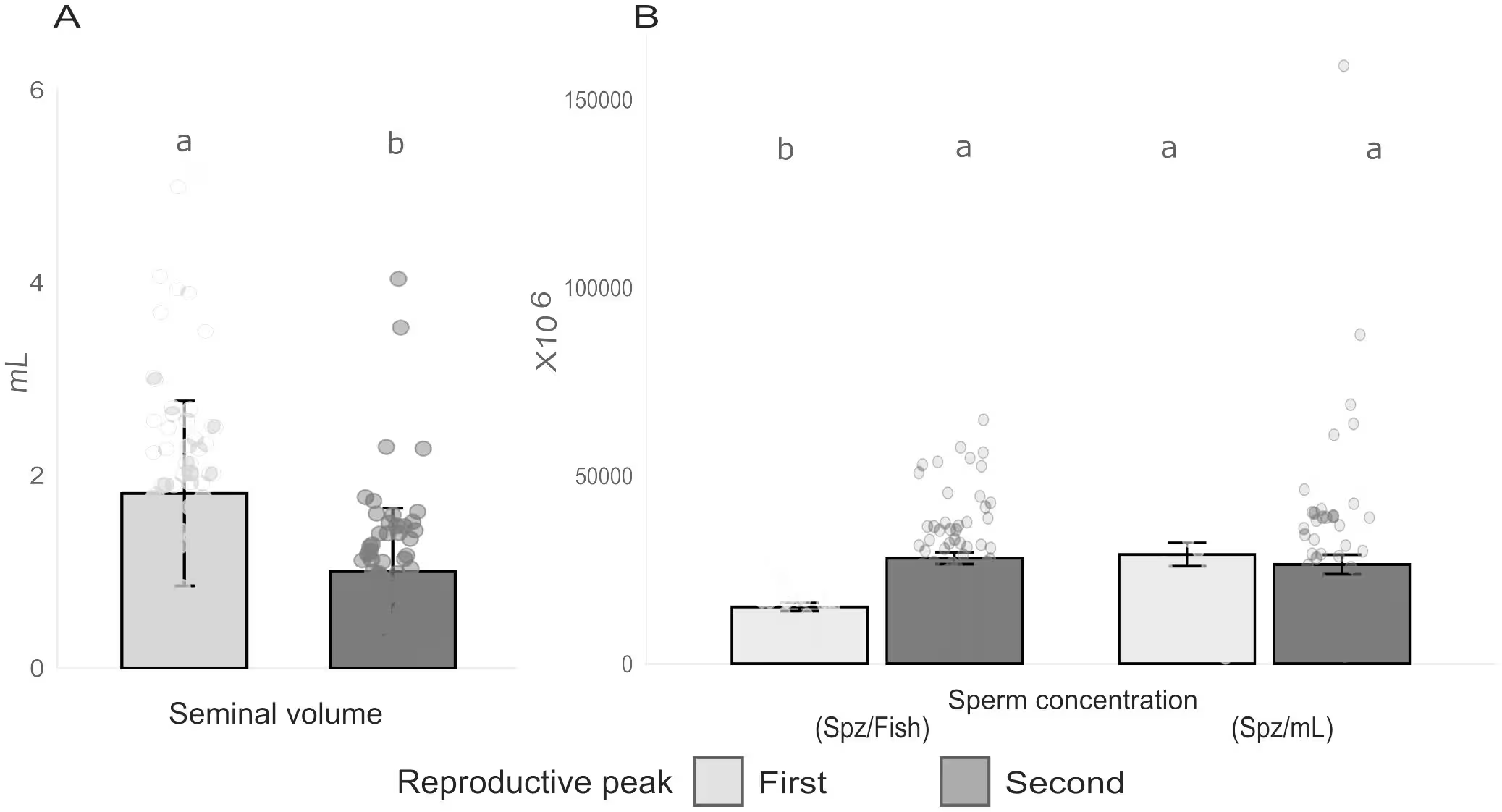
Analyses revealed that during the El Niño-affected peak, male bocachico exhibited lower sperm concentration, reduced total motility, and a sharp drop in total antioxidant capacity (TAC) within their seminal plasma. Total antioxidant capacity averaged 200.7 micromoles of Trolox equivalents per 100 grams during the first peak, compared to 312.4 micromoles during the second peak. The researchers noted that this drop in antioxidant defenses leaves the sperm cells more vulnerable to oxidative stress and cellular damage from reactive oxygen species.
Compensatory Mechanisms and Trait-Specific Resilience
Despite the physiological strain imposed by warmer waters, the fish displayed surprising compensatory traits. While overall motility and concentration suffered during the El Niño phase, specific kinematic variables such as curvilinear velocity, straight-line velocity, and rapid-swimming sperm percentages were actually higher during the first peak. The authors suggest this may represent a short-term physiological compensation strategy by the fish to temporarily maintain fertilizing capacity under thermal stress.
Furthermore, parameters such as seminal osmolarity and total per-fish sperm concentration remained stable across both periods, demonstrating that certain physiological traits are tightly regulated and comparatively insensitive to short-term climatic fluctuations. Once temperatures normalized during the second reproductive peak, metrics like total motility, concentration, and antioxidant capacity fully recovered, pointing to notable physiological plasticity in the species.
Projecting Future Climate Pressures on Freshwater Fisheries
The study highlights a critical thermal threshold around 30.4 degrees Celsius, beyond which seminal antioxidant defenses falter. Using regional warming projections from the Intergovernmental Panel on Climate Change (IPCC), the researchers modeled future scenarios and estimated that seminal antioxidant capacity could decline by 32 percent under a moderate emissions pathway and by 41 percent under a high emissions pathway by 2050.
With global climate patterns continuing to generate intense warming phases, the authors emphasize that integrating climate forecasts and water temperature monitoring into hatchery management will be crucial. Proactive measures, such as pre-emptive semen cryopreservation ahead of forecasted strong El Niño events, could safeguard the genetic diversity of vulnerable freshwater populations and support ongoing ex-situ conservation programs.
The research was published in PLOS One on November 19, 2026.
This article has been fact checked for accuracy, with information verified against reputable sources. Learn more about us and our editorial process.
Last reviewed on .
Article history
- Latest version
Reference(s)
- Cogollo-Bohórquez, Danilo., et al. “Climate-anomaly-driven reproductive compromise in Neotropical fish: ENSO impairs seminal quality across reproductive peaks in captive Prochilodus magdalenae.” PLOS One, vol. 21, no. 11, November 19, 2026, pp. e0355126 Public Library of Science (PLoS), doi: 10.1371/journal.pone.0355126. <https://doi.org/10.1371/journal.pone.0355126>.
Cite this page:
- Posted by Kamran Akhtar