61 Percent of Black Breast Cancer Survivors Face Obesity and Higher Health Risks
A new study reveals how obesity and socioeconomic disparities compound chronic health burdens and reduce physical well-being after cancer treatment.

A striking 61% of Black breast cancer survivors live with obesity, compared to 41% of their White peers, according to a secondary analysis of clinical trial data that highlights deep-seated health disparities in survivorship. The study examined how body weight and racial background intersect to influence the burden of living with multiple chronic illnesses and overall physical well-being after cancer treatment.
Led by Kelsey Sinclair and colleagues at Indiana University, the exploratory study published in Supportive Care in Cancer analyzed baseline data from 363 breast cancer survivors. The participants had an average age of 56.5 years and were categorized into four distinct groups based on race and obesity status, defined by a body mass index of 30 or higher. Nearly the entire cohort, about 98%, reported having at least one chronic medical condition beyond their breast cancer diagnosis, with an average of 2.7 conditions per person.
How Obesity Shapes Physical Health After Cancer
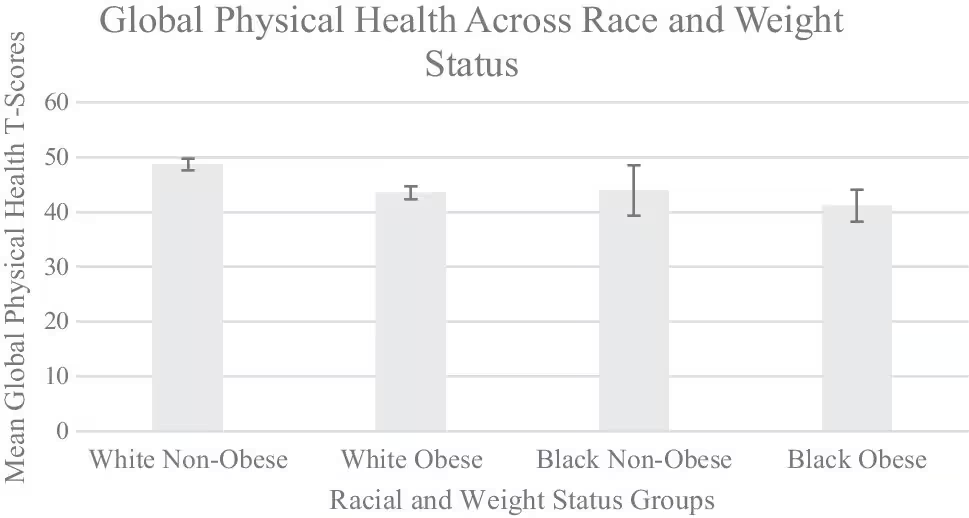
The researchers discovered that obesity exerts a powerful negative toll on physical functioning, regardless of a survivor’s racial background. Survivors with obesity reported significantly worse global physical health scores on standardized mental and physical health subscales. Specifically, White survivors with obesity scored nearly one standard deviation lower in physical health compared to White survivors without obesity.
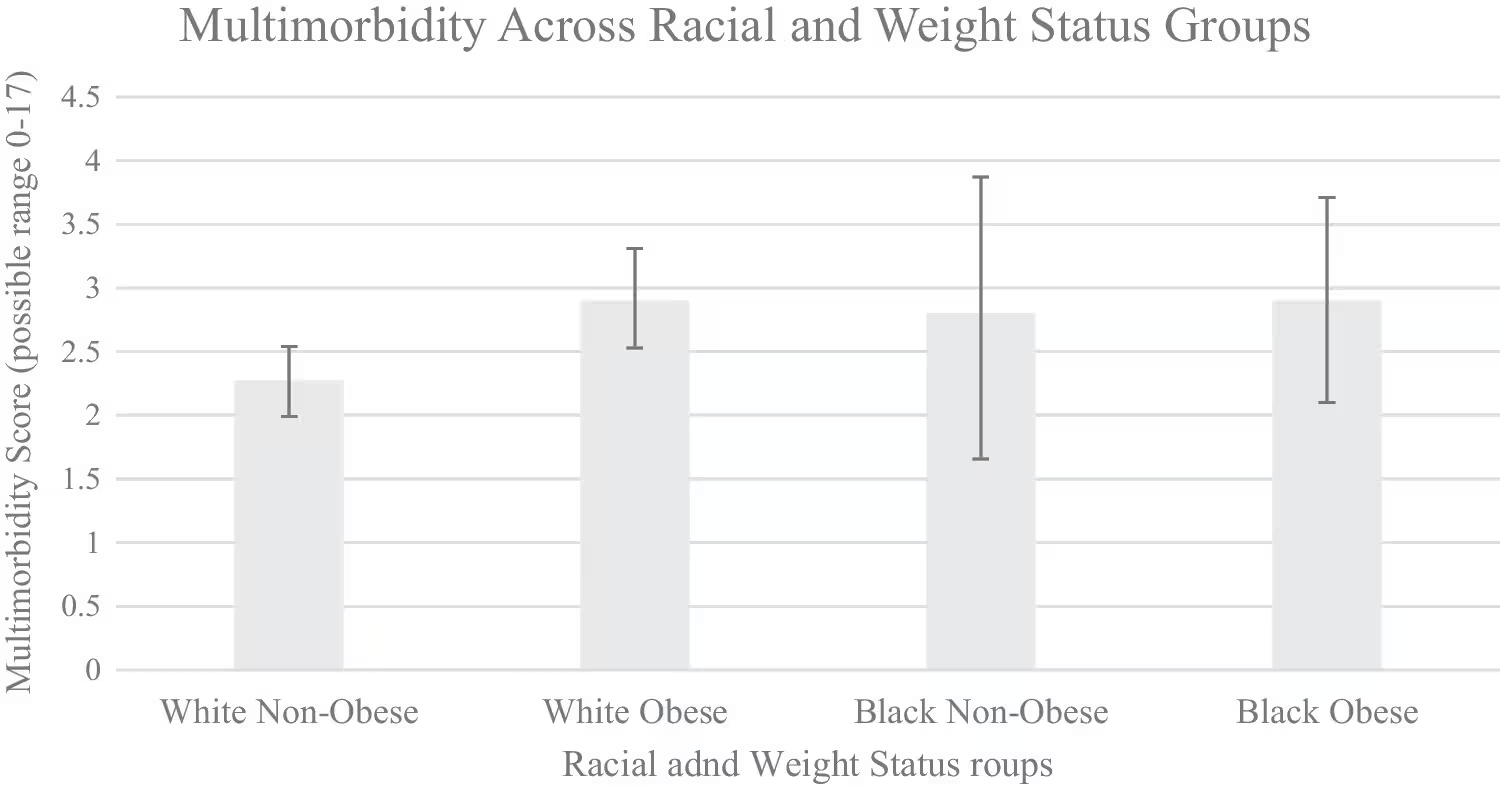
When looking at multimorbidity, which is the co-occurrence of at least two chronic medical conditions, White survivors with obesity reported significantly more chronic health problems than White survivors without obesity. Common comorbid conditions tracked in the assessment included high blood pressure, arthritis, diabetes, and depression. The data pointed to a clear accumulation of health burdens for individuals managing higher body weights after completing cancer therapy.
The Hidden Weight of Socioeconomic Disparities
While the study did not find statistically significant differences in global mental health across the four groups, it uncovered stark socioeconomic divides. Black breast cancer survivors in the sample reported higher rates of unemployment and a greater concentration in the lowest annual household income bracket below $24,999 compared to White participants. Statistical models demonstrated that income and age acted as powerful overarching factors influencing both multimorbidity and physical health outcomes.
Although the initial hypothesis suggested that Black survivors with obesity would experience the highest multimorbidity scores, the study did not detect a statistically significant interaction between race and obesity for total chronic conditions. The authors noted that this result likely stems from statistical limitations rather than a true lack of difference. Because the research was a secondary analysis of a trial primarily focused on fear of cancer recurrence, the sample included a smaller number of Black participants, restricting statistical power.
Next Steps for Tailored Survivorship Care
The authors emphasize that these preliminary findings point to an urgent need for healthcare providers to address obesity and socioeconomic barriers within survivorship care plans. Because lower income and chronic stress heavily influence health outcomes, future research must utilize larger, more diverse cohorts designed specifically to examine intersectionality. Understanding how social structures, weight bias, and race jointly shape recovery will be essential for creating equitable healthcare interventions that improve long-term survival and quality of life for all cancer survivors.
The research was published in Supportive care in cancer : official journal of the Multinational Association of Supportive Care in Cancer on November 17, 2026.
This article has been fact checked for accuracy, with information verified against reputable sources. Learn more about us and our editorial process.
Last reviewed on .
Article history
- Latest version
Reference(s)
- Sinclair, Kelsey., et al. “Exploring race and obesity in relation to multimorbidity and patient-reported health outcomes in breast cancer survivors.” Supportive Care in Cancer, vol. 34, no. 12, November 17, 2026 Springer Science and Business Media LLC, doi: 10.1007/s00520-026-11464-6. <https://doi.org/10.1007/s00520-026-11464-6>.
Cite this page:
- Posted by David Anderson