Talk Therapy Eases Dementia Depression But Leaves Caregivers Behind
A rigorous review of clinical trials reveals small benefits for patients, no mental health boost for family caregivers, and widespread gaps in study reporting.

Targeted psychological therapy can ease depressive symptoms for adults navigating dementia or mild cognitive impairment, yet the support yields no measurable mental health benefits for their informal caregivers, a comprehensive evaluation shows.
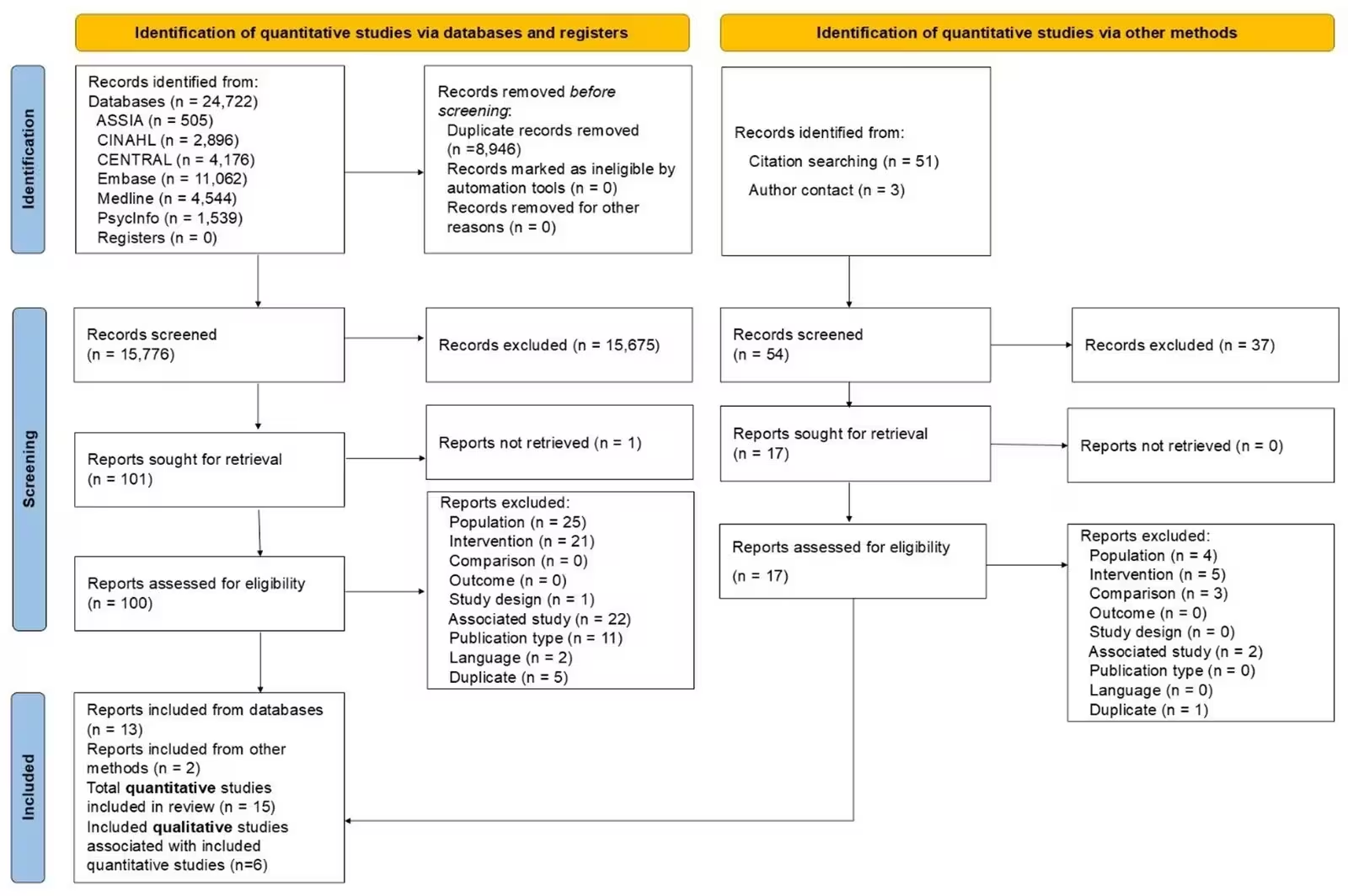
As global populations age, dementia diagnoses continue to climb, bringing profound psychological distress for both patients and their families. While clinicians frequently prescribe talk therapies for conditions like late-life depression, the exact boundaries of what constitutes an effective mental health intervention remain debated. Researchers sought to cut through the clinical noise by applying a strict, narrower definition of evidence-based psychological methods, setting out to understand both the quantitative effectiveness of these treatments and how patients and caregivers experience them.
What the Meta-Analysis Revealed About Depression Scores
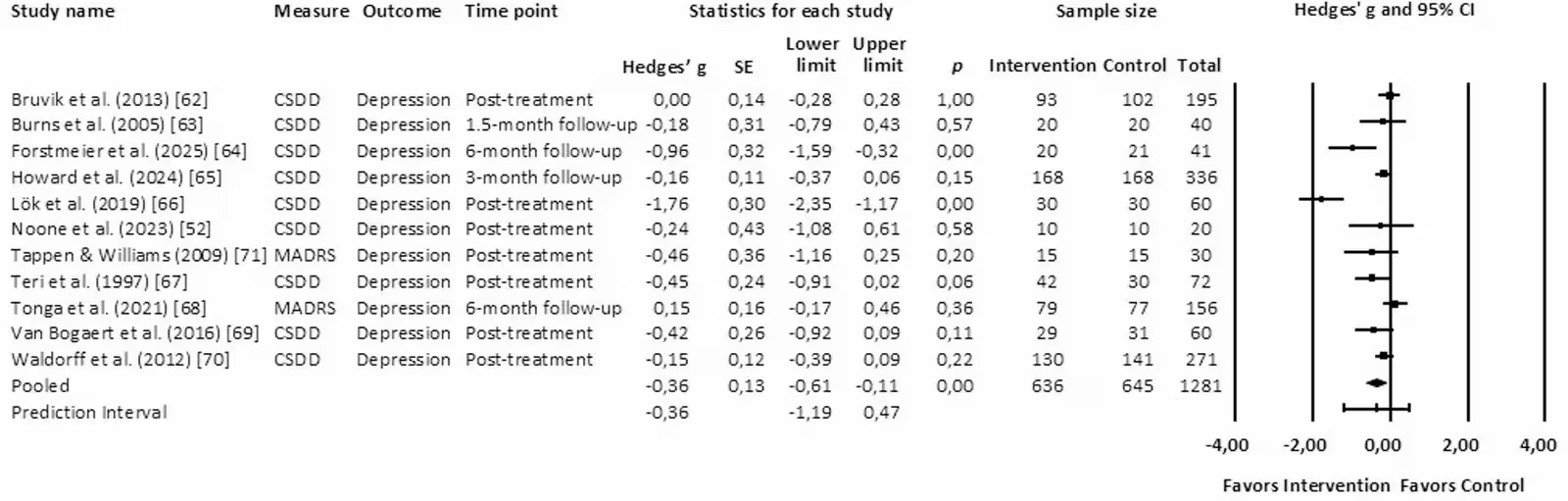
To determine how well talk therapy works, investigators analyzed data from randomized controlled trials involving a total of 1,742 participants living with dementia or mild cognitive impairment. The findings, published in BMC Geriatrics, revealed a small-to-moderate positive effect size favoring structured psychological interventions for reducing depressive symptoms across 11 studies encompassing 1,281 participants. Despite this encouraging signal, the authors noted substantial statistical heterogeneity and cautioned that the overall certainty of the evidence remains very low.
When looking at informal caregivers, the picture changes significantly. Across five studies reporting caregiver outcomes for 736 participants, the meta-analysis found no overall effect on caregiver depression levels. Although individual qualitative reports highlighted potential benefits such as reduced worry and peer support, the quantitative data showed that standard psychological interventions directed primarily at patients do not automatically translate into improved mental health for the family members caring for them.
Listening to Patients and Families on Acceptability
Beyond clinical scores, the team integrated qualitative insights from six studies to explore how participants felt about receiving these therapies. Utilizing established theoretical frameworks of acceptability, the authors found that patients, caregivers, and providers generally viewed the interventions as valuable and feasible. Participants frequently praised providers who demonstrated genuine empathy and understanding, creating safe spaces where individuals felt truly heard.
However, the qualitative synthesis also uncovered notable barriers to engagement. Some patients experienced feelings of self-criticism or anxiety about homework assignments involving reading and writing, while others wrestled with the emotional weight of diagnosis denial. Providers reported time pressures and the challenge of balancing complex therapy protocols against the cognitive limitations of participants, pointing to a clear need for flexible session lengths and simpler, tailored exercises.
The Hidden Problem of Incomplete Study Reporting
A critical discovery of the review concerned how clinical trials document their methods. Using standard intervention description checklists, the investigators evaluated the completeness of trial reporting and discovered moderate overall scores averaging roughly 64 percent. While researchers generally provided clear intervention names and delivery schedules, crucial details such as specific therapy materials, tailoring procedures, and actual treatment adherence were frequently omitted.
The authors emphasize that such incomplete reporting creates major hurdles for replicating studies and translating findings into routine clinical practice. Without transparent documentation of how therapies are modified for individuals with cognitive decline, healthcare systems struggle to implement effective mental health programs reliably.
Limitations and Future Directions for Memory Care
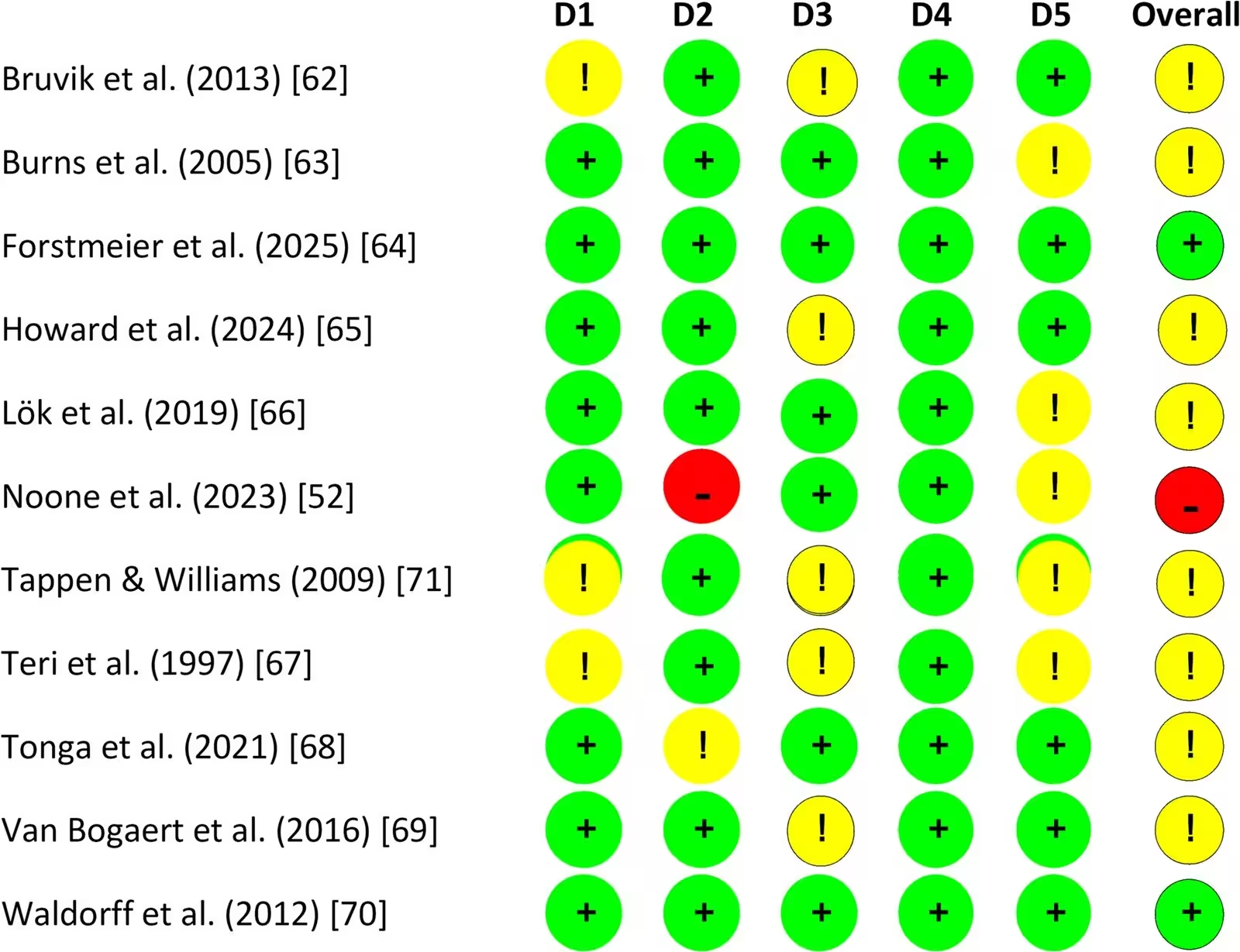
While this mixed-methods review offers valuable clarity by filtering out low-quality designs, several limitations temper its conclusions. The number of eligible studies meeting the strict criteria was relatively small, and most included trials carried some risk of bias, particularly regarding a lack of prior trial preregistration. Furthermore, the exclusion of non-English and non-Swedish publications may have introduced language bias.
Ultimately, the work highlights an urgent need for larger, higher-quality randomized controlled trials with rigorous reporting standards. Future research must also prioritize the direct perspectives of individuals living with cognitive impairment and intentionally address the psychological well-being of family caregivers who share the daily journey of dementia.
The research was published in BMC geriatrics on November 17, 2026.
This article has been fact checked for accuracy, with information verified against reputable sources. Learn more about us and our editorial process.
Last reviewed on .
Article history
- Latest version
Reference(s)
- Blomberg, Oscar., et al. “Effectiveness, acceptability, and completeness of intervention reporting of psychological interventions for people with dementia or mild cognitive impairment: a mixed-methods systematic review.” BMC Geriatrics, vol. 26, no. 1, November 17, 2026 Springer Science and Business Media LLC, doi: 10.1186/s12877-026-08596-z. <https://doi.org/10.1186/s12877-026-08596-z>.
Cite this page:
- Posted by Sana Malik