Older Adults With Strong Spiritual Beliefs Report Higher Quality of Life
A new meta-analysis of over 5,000 seniors reveals a moderate positive link between personal faith and life satisfaction, though regional differences stand out.

Older adults who are active in their religious or spiritual lives tend to report higher overall well-being and life satisfaction, according to a comprehensive evidence review. As the global population ages and the share of people aged 65 and older reaches 10.3 percent, researchers are increasingly looking at psychosocial factors that help seniors cope with physical decline, bereavement, and social isolation.
What Did the New Analysis Reveal About Seniors and Faith?
To better understand how personal beliefs influence aging, investigators conducted a systematic search across major scientific databases, including PubMed, CINAHL, and PsycINFO, covering literature published up to November 30, 2024. The work is published in PLOS Aging and Health and offers the first meta-analysis dedicated exclusively to older populations. The team evaluated 21 observational studies encompassing a total of 5,664 community-dwelling older adults whose average age was roughly 73 years.
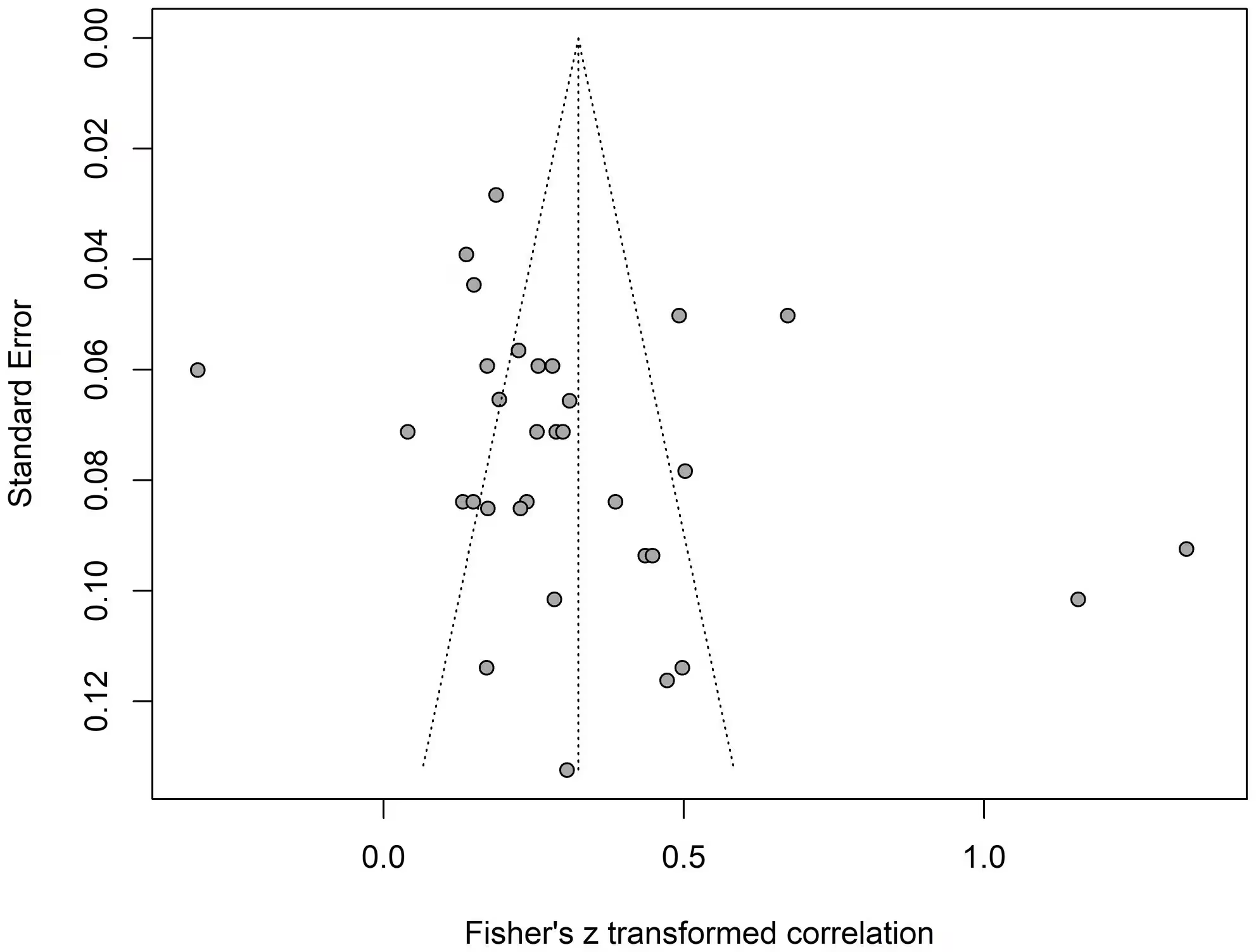
By pooling correlation coefficients across these diverse populations, the authors found a statistically significant moderate positive relationship between religiosity, spirituality, and quality of life, yielding a pooled correlation coefficient of 0.31. This indicates that higher levels of religious or spiritual engagement frequently accompany better self-reported life satisfaction and quality of life among seniors.
How Do Religion and Spirituality Differ in Later Life?
The study carefully distinguished between organized religion and personal spirituality. Religion generally involves institutionalized practices, shared beliefs, and regular attendance at communal gatherings, while spirituality allows for more individualized experiences, personal meaning-making, and mystical beliefs.
When the researchers broke down the data by specific dimensions, they discovered that personal spirituality showed a slightly stronger correlation with quality of life, at 0.38, compared to general religiosity at 0.29 and religious coping at 0.25. This suggests that the internal, personal search for meaning may play a particularly potent role in helping individuals navigate the psychological hurdles of advanced age.
Why Do Regional Differences Matter in the Findings?
A subgroup analysis revealed that the strength of this relationship varies significantly depending on geographical location and cultural norms. Studies conducted in Asia demonstrated the highest positive correlation, at 0.39, followed by Africa at 0.30 and the Americas at 0.27. Europe displayed the lowest correlation, at 0.17.
The authors note that these regional variations likely reflect broader societal trends, such as high levels of collectivism and integrated traditions in certain Asian communities versus stronger secularization tendencies across parts of Europe. Despite these regional gaps, sensitivity analyses confirmed that no single study disproportionately drove the overall results, underscoring the general stability of the observed trend.
What Are the Major Limitations of the Research?
While the findings highlight a clear positive trend, experts emphasize several important caveats. Because nearly all included studies relied on cross-sectional designs, the data only show an association rather than a direct cause-and-effect relationship. It remains possible that happier individuals are simply more inclined toward spiritual practices, rather than spirituality directly generating happiness.
Additionally, the analysis revealed substantial statistical heterogeneity across the included papers, meaning the results varied widely from one study to another. The authors caution that future research must incorporate more standardized measurement tools and longitudinal tracking to better clarify how spiritual engagement dynamically impacts aging populations worldwide.
The research was published in PLOS Aging and Health on November 19, 2026.
This article has been fact checked for accuracy, with information verified against reputable sources. Learn more about us and our editorial process.
Last reviewed on .
Article history
- Latest version
Reference(s)
- Akhtar, Sohail., et al. “The association of religiosity/spirituality with quality of life in older adults: A systematic review and meta-analysis.” PLOS Aging and Health, vol. 1, no. 5, November 19, 2026, pp. e0000049 Public Library of Science (PLoS), doi: 10.1371/journal.page.0000049. <https://doi.org/10.1371/journal.page.0000049>.
Cite this page:
- Posted by Sana Malik