Skin Allergy Chatbot Gets Product Advice Right Most of the Time
AI language models show potential for contact dermatitis counseling, but hidden allergens and cross-reactivity remain a risk.
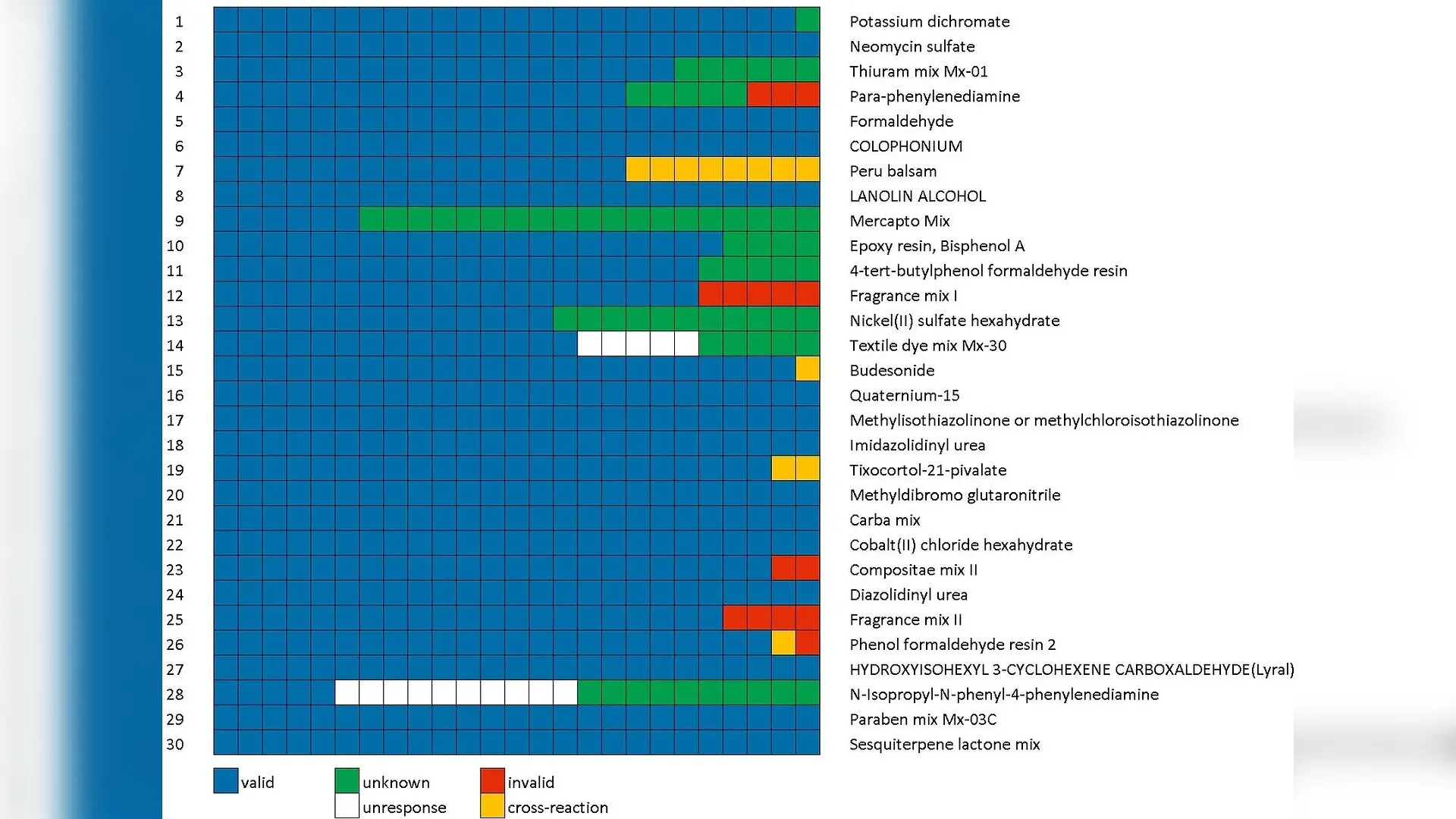
When artificial intelligence is asked to help people with painful skin allergies avoid harmful substances, it gets the product recommendations right nearly 80 percent of the time, but dangerous mistakes still slip through. Researchers evaluating chatbot technology found that while generative systems show promise for patient education, they frequently miss hidden cross-reactivity and recommend items containing known allergens.
Allergic contact dermatitis is a common and intensely frustrating skin condition triggered when a person touches an allergen, causing rashes, itching, and inflammation. Patch testing serves as the diagnostic gold standard, and lifelong allergen avoidance is the primary treatment, which makes detailed patient counseling essential. However, sorting through complex ingredient lists and confusing chemical names often overwhelms patients and clinicians alike.
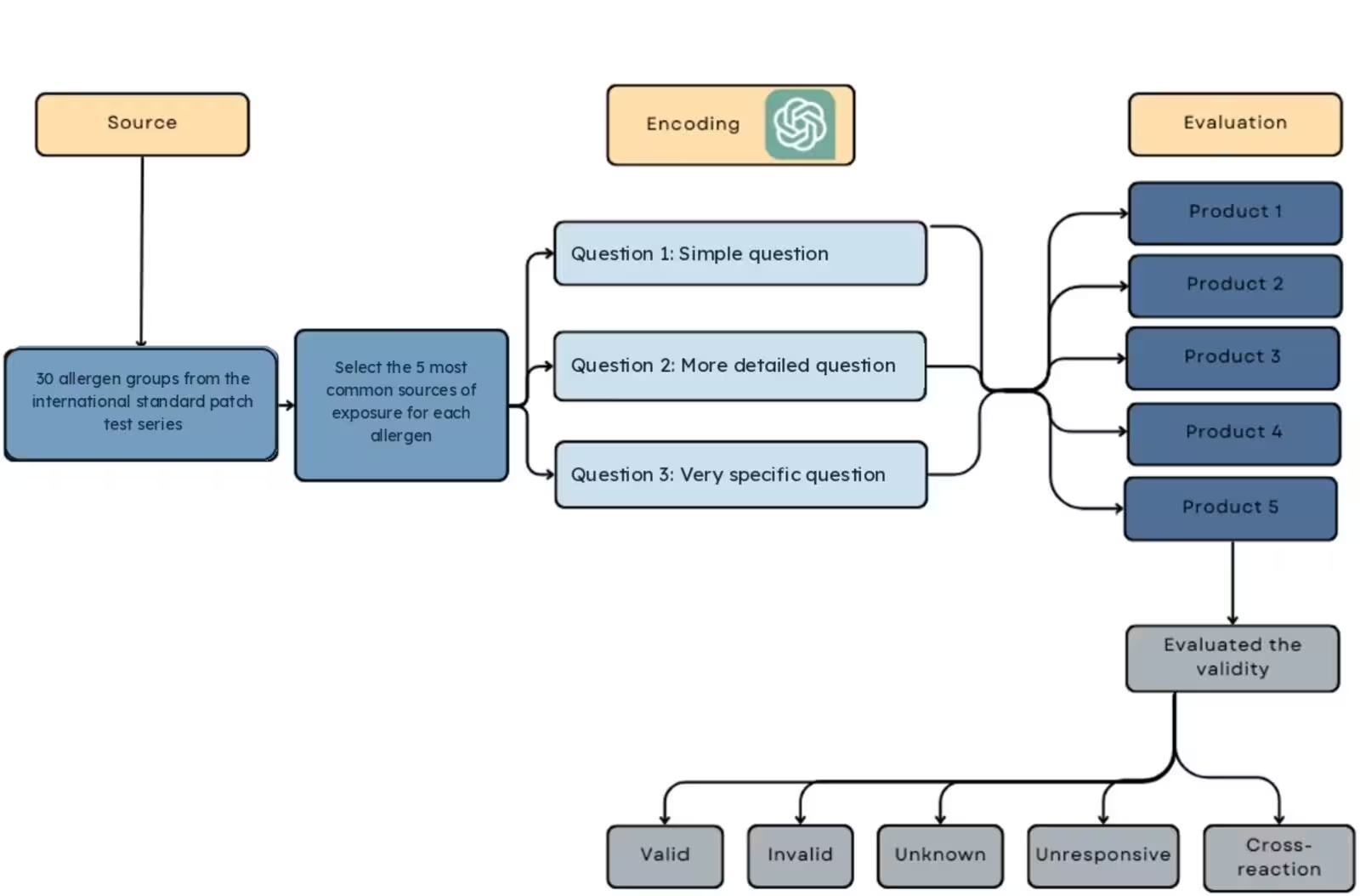
To test how artificial intelligence might assist in this demanding process, investigators analyzed ChatGPT (GPT-4) on 30 common allergen groups included in standard patch testing. The research team evaluated the model between September 2023 and January 2024, as published in JMIR Dermatology. For every allergen tested, the chatbot was tasked with recommending five specific product brands across three different question formats, ranging from simple direct requests to simulated patient inquiries and role-played clinical guidance.
How Well Did the Chatbot Perform Across Different Products?
Out of 2,250 expected product-level outcomes evaluated across 450 initial prompts, the model successfully generated specific brand recommendations in 91.64 percent of cases. Dermatologists manually verified the ingredient lists of these recommendations using official manufacturer websites and reliable safety databases. Overall, 79.20 percent of the total responses were classified as valid, meaning the suggested products were completely free of the specified allergen.
The system performed best when recommending cosmetics, personal care items, and medicines, achieving high validity rates of 90.33 percent and 82.5 percent, respectively. For instance, common items like shampoos and moisturizers frequently had accessible ingredient data. In contrast, accuracy plummeted for clothing, leather goods, and household building materials because manufacturer ingredient details were frequently missing or unavailable.
What Were the Most Dangerous Hidden Errors?
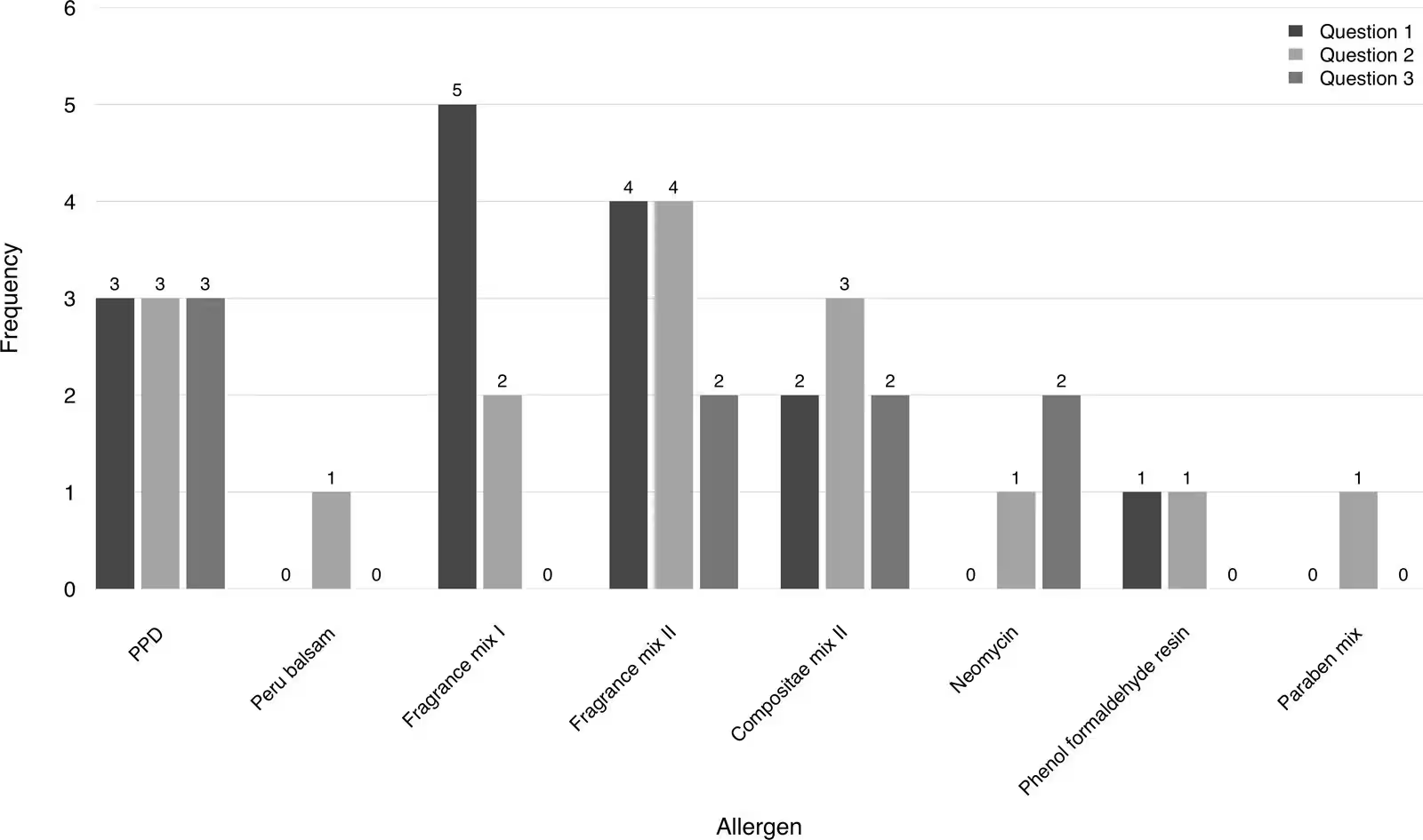
Despite high overall accuracy, the chatbot produced invalid recommendations containing the actual allergen in nearly 2 percent of responses, alongside numerous cross-reactive items. Fragrance mixes and para-phenylenediamine, a chemical widely used in hair dyes, accounted for the highest number of inaccurate suggestions. For example, several recommended hair dyes still contained para-phenylenediamine, and multiple baby shampoos included restricted fragrance compounds.
Cross-reactivity posed an even trickier hurdle for the artificial intelligence. The chatbot frequently recommended personal care products containing substances known to cross-react with Peru balsam, such as benzyl alcohol and eugenol, without warning the user. These oversights highlight the limitations of general-purpose language models in recognizing complex immunological cross-reactions.
Does the Way You Ask the Question Change the Outcome?
The study also compared three prompt formats to see if phrasing affected accuracy. Interestingly, the simplest question format yielded the highest proportion of valid recommendations at 85.33 percent, while more elaborate, clinically framed prompts resulted in higher unresponsiveness rates where the chatbot failed to name a specific brand.
When the researchers re-entered failed queries for a second attempt, the valid response rate climbed slightly to 83.16 percent, showing that repeated prompting can help overcome occasional output gaps. However, the authors caution that general-purpose chatbots should never replace professional medical guidance or dedicated allergen management databases like the Contact Allergen Management Program.
Why Patients Must Still Verify Every Product Label
The authors emphasize that while large language models can help streamline consultations and provide accessible supplementary education in resource-limited settings, their output requires rigorous human verification. Because product formulations change frequently and regional availability varies, patients should always check physical product labels and consult a dermatologist before trusting any artificial intelligence recommendation.
The research was published in JMIR dermatology on November 17, 2026.
This article has been fact checked for accuracy, with information verified against reputable sources. Learn more about us and our editorial process.
Last reviewed on .
Article history
- Latest version
Reference(s)
- Phadungsaksawasdi, Pawit., et al. “Using a Large Language Model Chatbot for Allergen Avoidance Counseling in Contact Dermatitis: Quantitative Evaluation Study.” JMIR Dermatology, vol. 9, November 17, 2026, pp. e100364-e100364. JMIR Publications Inc., doi: 10.2196/100364. <https://doi.org/10.2196/100364>.
Cite this page:
- Posted by Sana Malik