Seven Routine Checks Predict Severe COVID-19 Survival in Intensive Care Units
A new deep learning algorithm condenses dozens of clinical metrics into a streamlined seven-variable tool for rapid bedside mortality risk assessment.
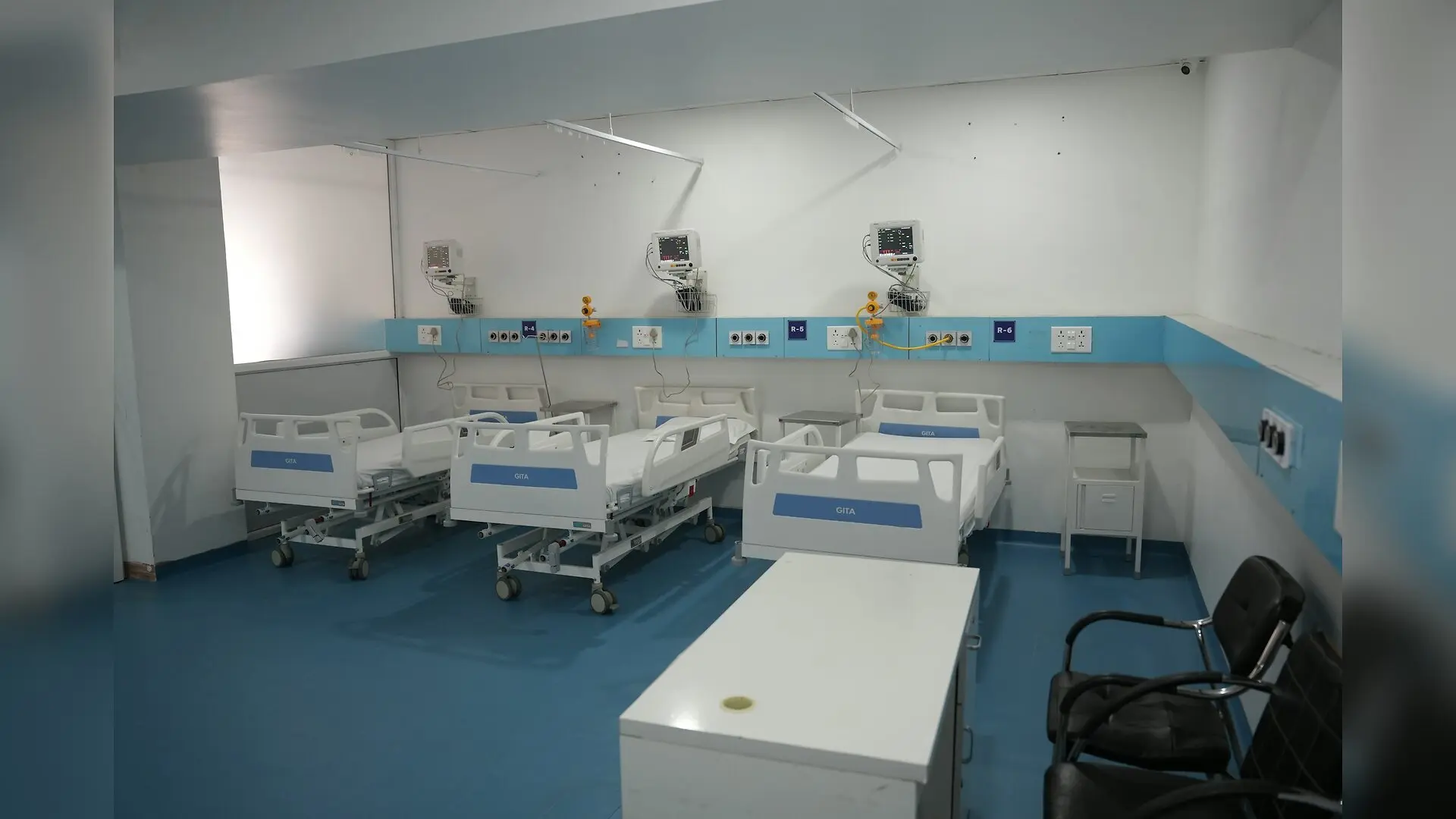
A new artificial intelligence model can predict the risk of death in critically ill COVID-19 patients using just seven routine clinical variables. Researchers in Korea built and validated the deep learning tool to help doctors make fast, accurate decisions in busy intensive care units.
How the Seven-Variable Risk Tool Was Developed
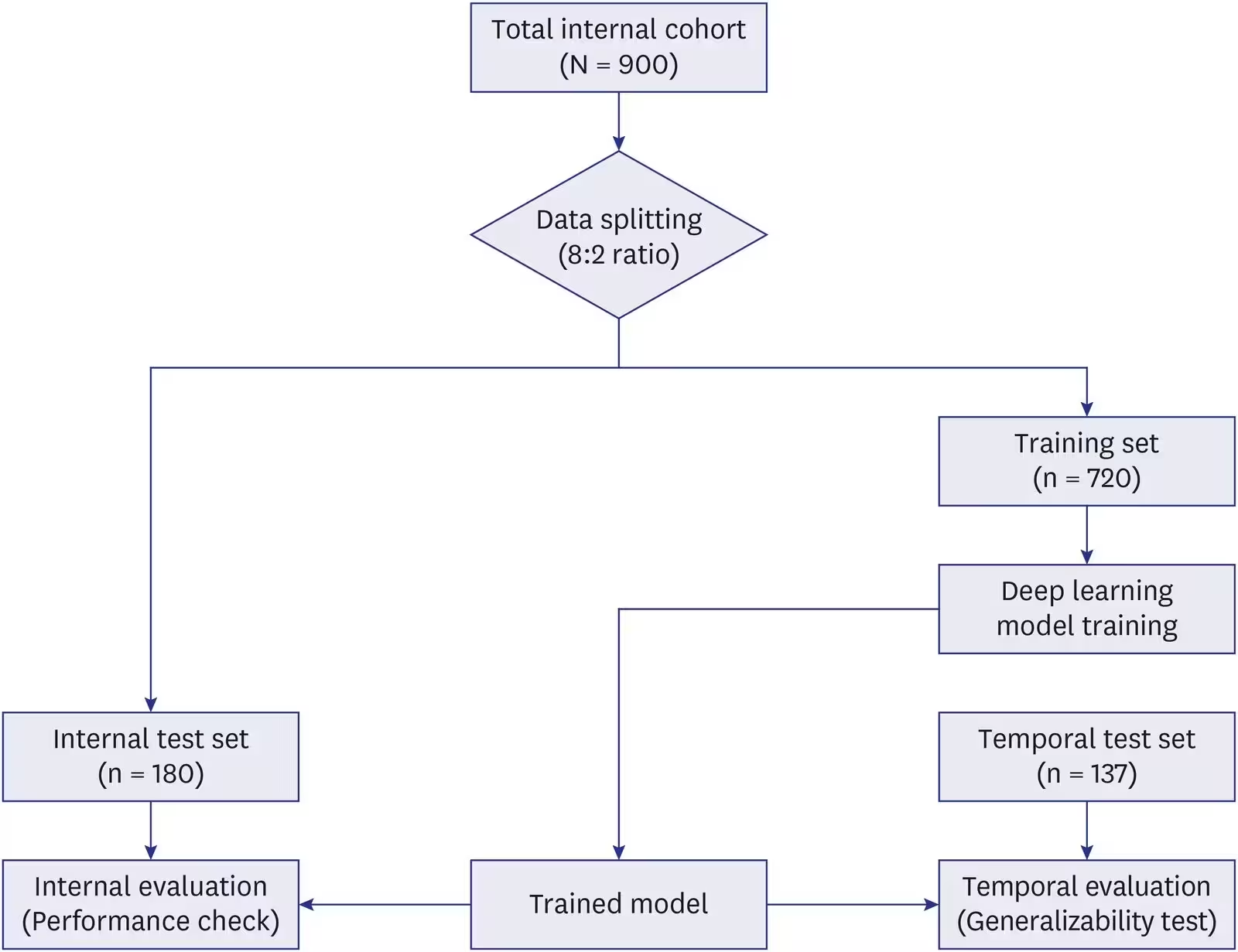
To create the predictive model, a research team analyzed retrospective registry data from 900 severely ill COVID-19 patients admitted to intensive care units across 22 tertiary medical centers in South Korea between January 2020 and August 2021. All patients in the study required high-flow nasal cannula oxygen therapy or a higher level of respiratory support upon arrival. Among the 900 patients evaluated, 365 survived, representing 40.6 percent of the group, while 535 patients died, accounting for 59.4 percent.
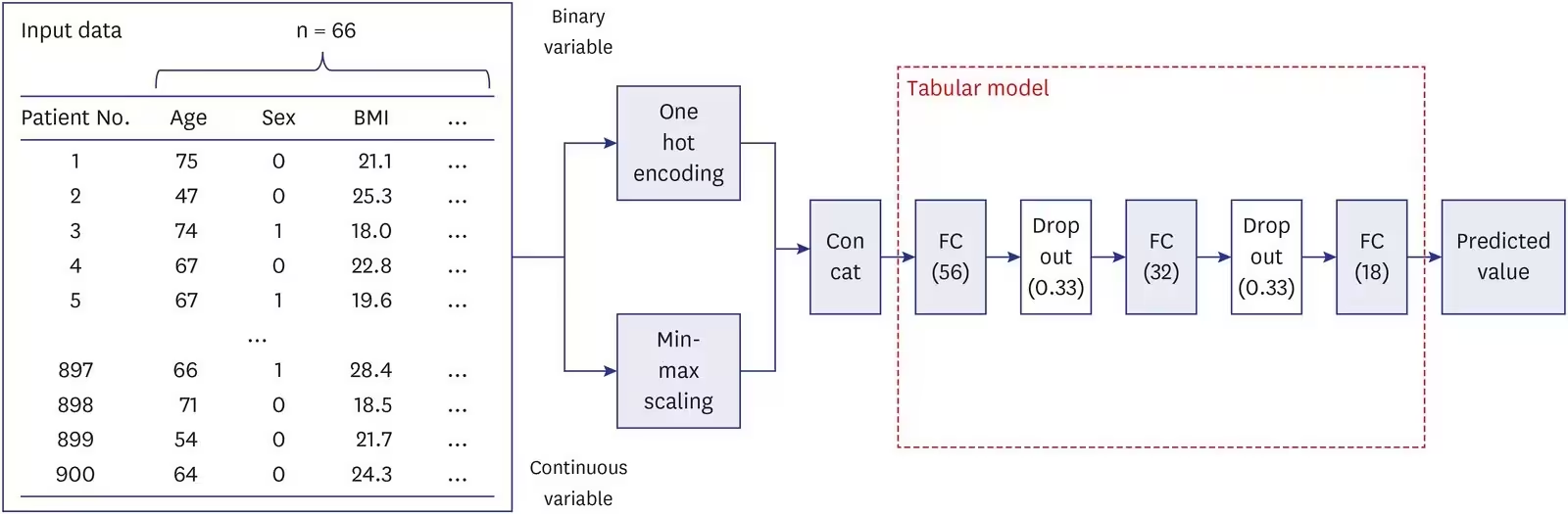
The investigators initially constructed a comprehensive computer model incorporating 66 variables, which yielded an area under the receiver operating characteristic curve of 0.8500. Through systematic feature reduction and machine learning importance rankings, the team progressively streamlined the algorithm without significantly sacrificing predictive power. The findings are published in the Journal of Korean medical science as part of a multicenter registry analysis led by Tae-Ok Kim and colleagues from the Korean Intensive Care Study Group.
Which Vital Factors Drive the Prediction?
The resulting Super Ultra-Light Model relies on only seven key pieces of information collected within the first 24 hours of hospital admission. These essential predictors include the patient’s age, levels of C-reactive protein (a marker of systemic inflammation), lactate dehydrogenase (an enzyme linked to tissue damage and disease progression), and pro-brain natriuretic peptide (a biomarker associated with cardiac stress and fluid overload). The model also incorporates two chest X-ray findings, specifically pulmonary infiltration and consolidation, alongside the respiratory rate-oxygenation index.
By focusing exclusively on these seven parameters, the streamlined model achieved an area under the curve of 0.8247, maintaining a robust balance of 73.15 percent accuracy, 90.20 percent precision, and 86.84 percent specificity. The authors noted that utilizing straightforward chest X-ray descriptors and non-invasive breathing metrics allows clinicians to run the assessment rapidly at the bedside without needing specialized computed tomography scans.
Testing Generalizability Across Different Pandemic Waves
To confirm that the algorithm could perform reliably beyond the initial development group, the researchers conducted temporal validation using a separate cohort of 137 patients admitted to hospitals between January 2022 and March 2023. During this later validation phase, 49 patients died, representing 35.8 percent of the cohort. When the frozen prediction models were applied to this temporally distinct dataset, the tool maintained stable discriminative performance despite shifting virus variants and evolving clinical protocols.
The study authors emphasize that while the deep learning tool demonstrates strong prognostic capabilities, several limitations remain. Treatment decisions in the retrospective registry were clinician-driven rather than strictly standardized, and certain variables required data imputation. Furthermore, external validation is still needed across geographically diverse populations outside of South Korea before the tool can be widely adopted in international healthcare systems.
The research was published in Journal of Korean medical science on November 16, 2026.
This article has been fact checked for accuracy, with information verified against reputable sources. Learn more about us and our editorial process.
Last reviewed on .
Article history
- Latest version
Reference(s)
- Yoon, Chang-Seok., et al. “A Deep Learning-Based Prediction Model for Mortality in Severe COVID-19 Patients Requiring Intensive Care Unit Admission: A Multicenter Registry Analysis.” Journal of Korean Medical Science, vol. 41, no. 44, January 1, 2026 XMLink, doi: 10.3346/jkms.2026.41.e275. <https://doi.org/10.3346/jkms.2026.41.e275>.
Cite this page:
- Posted by David Anderson