Thoroughbred Racehorse Sleep Patterns Reveal Surprising Age Shifts
A 48-hour video study of 13 athletic horses links fragmented rest to elevated morning cortisol and abnormal stall behaviors.
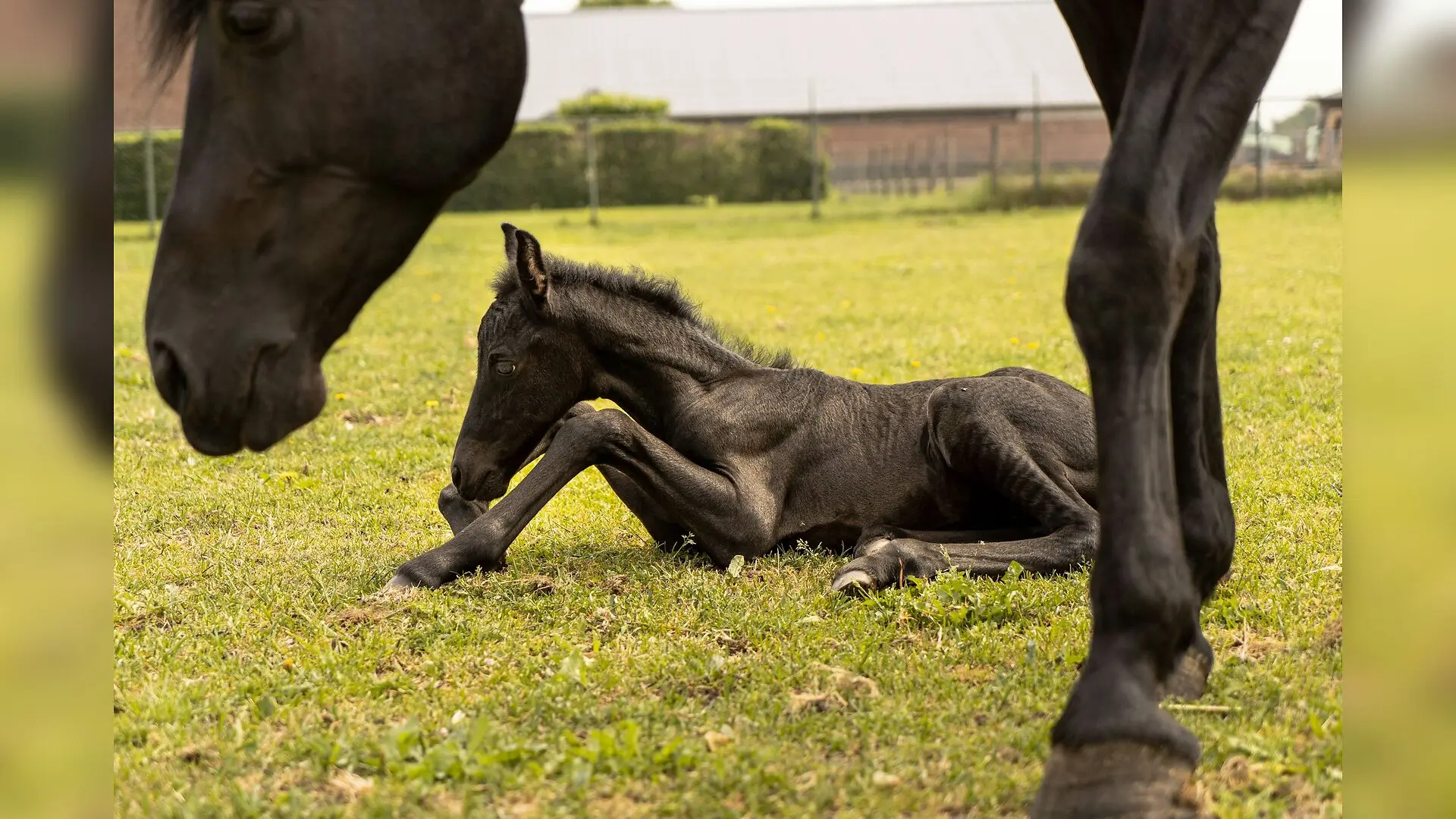
Younger racehorses experience significantly more rapid eye movement sleep than their older stablemates, according to a recent evaluation of athletic equine rest patterns. The findings reveal that age dramatically alters how horses distribute their rest between different states of unconsciousness.
While human athletes have long been monitored for how rest impacts recovery and performance, parallel data for animal athletes remain remarkably scarce. To bridge this gap, researchers set out to map the rest cycles of competitive racehorses housed in individual stalls. Sleep is a fundamental biological requirement across mammals, divided broadly into non-rapid eye movement sleep, which aids physical restoration, and rapid eye movement sleep, which supports cognitive processing and memory consolidation. Each species develops unique architectural patterns depending on life stage and environmental demands.
The study, published in PLOS One, monitored 13 Thoroughbred racehorses aged between 2 and 7 years old over a continuous 48-hour period in their home training environment in Normandy, France. None of the animals had raced in the four days prior to observation, and all were confirmed clinically healthy through veterinary checks. Rather than using invasive brain wave sensors, the researchers deployed infrared security cameras to record behavioral indicators across two full nights and days. They tracked specific postures, such as standing with the neck raised for non-rapid eye movement rest, or lying flat in lateral recumbency for rapid eye movement rest, alongside sleep interruptions and morning salivary cortisol levels.
How Sleep Changes As Racehorses Age
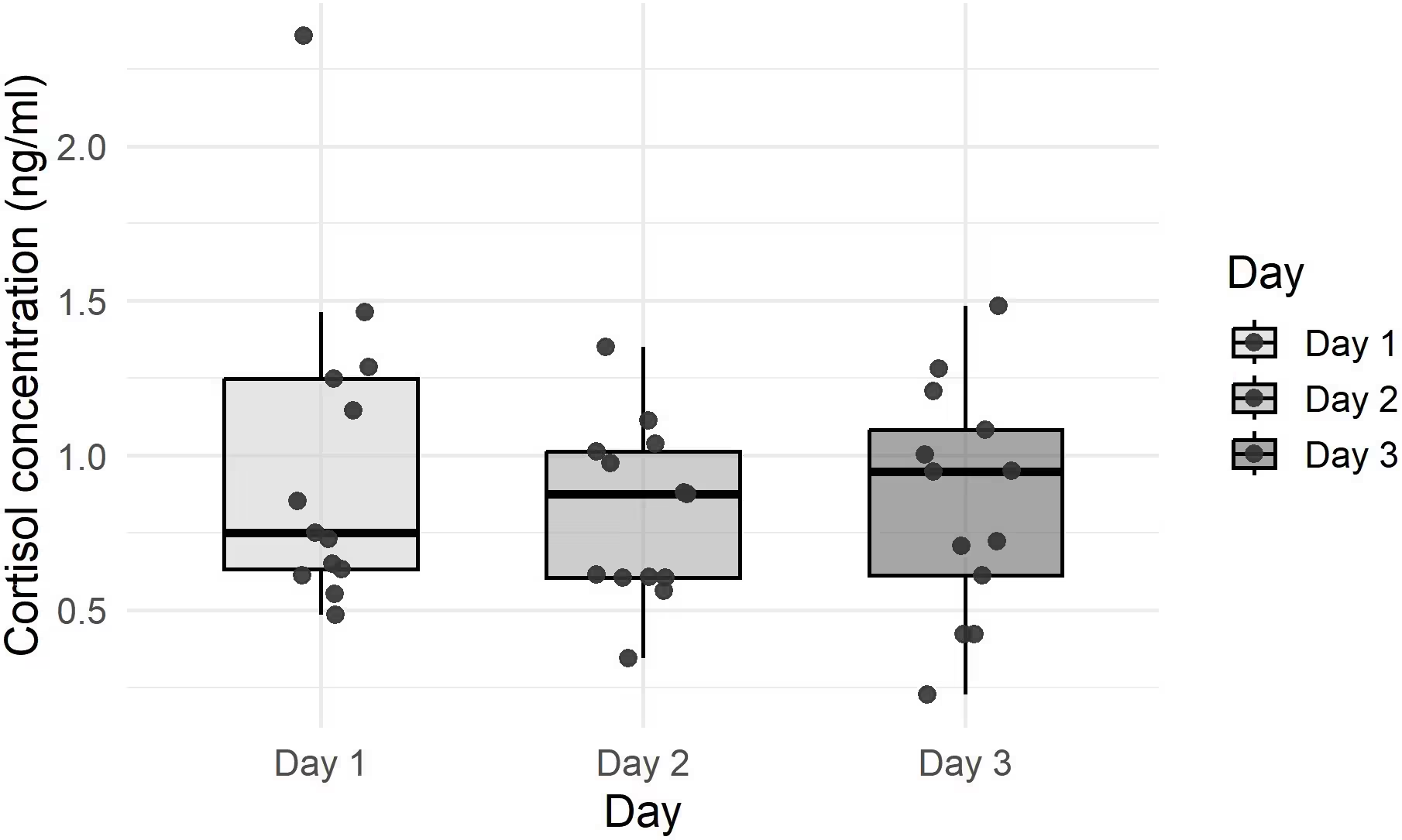
The observed horses spent an average of 275.7 minutes sleeping across each 24-hour cycle. Most of this rest occurred while standing, followed by sternal rest where the chest touched the ground. Total sleep time remained stable across the group, but individual phases shifted notably with age. Total non-rapid eye movement rest increased by roughly 34 minutes per year of age within this cohort, whereas rapid eye movement rest and total recumbency decreased. One 4-year-old gelding stood out by logging nearly 469 minutes of rapid eye movement rest over the 48 hours, while another 4-year-old mare was never observed lying flat on her side.
The authors note that these shifts mirror patterns seen in other mammals where younger individuals require more rapid eye movement rest for brain maturation, while older individuals gradually transition toward higher proportions of lighter rest states. However, the team cautions that because the study relied strictly on behavioral observation rather than direct brain wave recordings, these posture-based states reflect behavioral correlates rather than precise neurophysiological sleep stages.
The Link Between Rest Fragmentation, Stress, and Welfare
Beyond simple duration, the researchers calculated sleep quality indices based on how often rest periods were interrupted by brief awakenings lasting more than 3 seconds. Behavioral scans conducted every 15 minutes also tracked abnormal habits like cribbing, weaving, box-walking, and hypervigilant postures. More than half of the horses displayed some form of stereotypic behavior during the monitoring window.
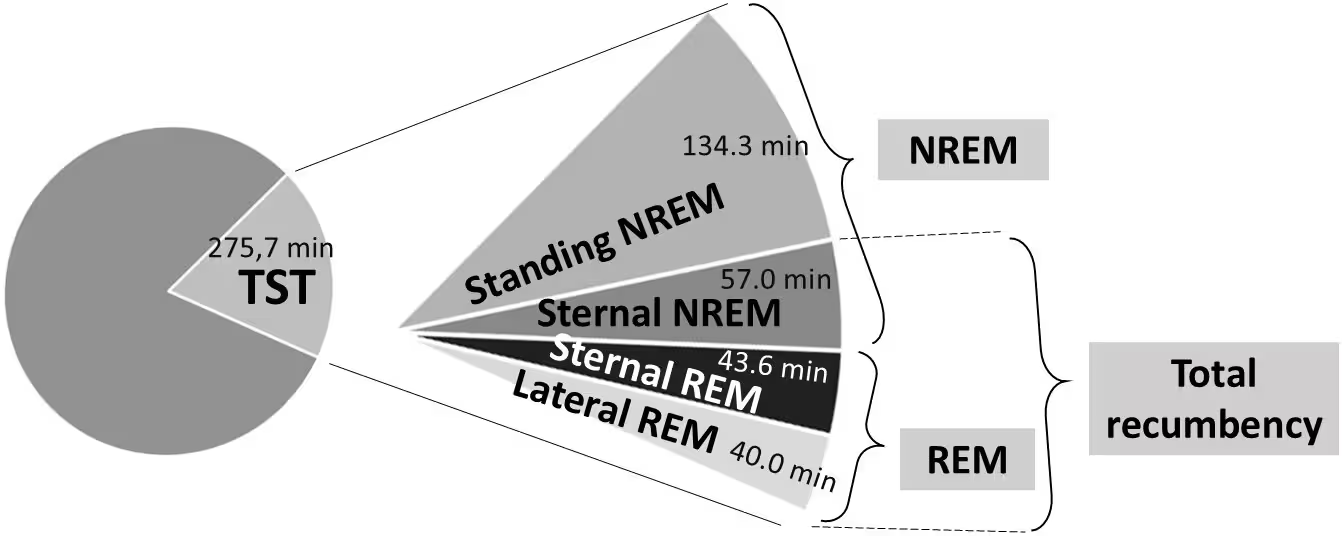
Statistical models demonstrated that horses with higher morning salivary cortisol concentrations exhibited significantly lower overall sleep quality indices. Similarly, individuals that displayed a higher percentage of abnormal behaviors experienced more fragmented rest overall. The authors emphasize that these correlations point to a reciprocal relationship where physiological stress and compromised welfare disrupt rest quality, which in turn can exacerbate stress and impair physical recovery.
The authors acknowledge several limitations, including the small sample size and a relatively narrow age distribution that restricts broad generalization. Future research incorporating larger cohorts and physiological brain monitoring will be required to confirm these trends and untangle the complex feedback loops connecting equine rest, stress hormones, and athletic performance.
The research was published in PLOS One on November 18, 2026.
This article has been fact checked for accuracy, with information verified against reputable sources. Learn more about us and our editorial process.
Last reviewed on .
Article history
- Latest version
Reference(s)
- Hennes, Noémie., et al. “Behavioural sleep quality and quantity and their associations with age, salivary cortisol and abnormal behaviours: A preliminary field study in racing thoroughbreds.” PLOS One, vol. 21, no. 11, November 18, 2026, pp. e0342874 Public Library of Science (PLoS), doi: 10.1371/journal.pone.0342874. <https://doi.org/10.1371/journal.pone.0342874>.
Cite this page:
- Posted by Priya Sharma