Excess Post-Operative Fluids Linked to Higher Kidney Injury Risk
An integrative review of 8 studies shows that gaining weight from retained fluids after heart surgery significantly threatens renal health.
A positive fluid balance after cardiac surgery is strongly associated with an increased risk of acute kidney injury, according to an integrative review published in the Revista brasileira de enfermagem. The study analyzed data from adult patients undergoing heart operations to understand how excess fluid accumulation impacts post-operative recovery.
Acute kidney injury is a serious complication that can occur after surgical procedures on the heart. It involves an abrupt decline in kidney function that often leads to longer hospital stays and higher healthcare costs. While doctors and nurses administer fluids to maintain blood pressure and stabilize patients in intensive care, too much fluid can put dangerous stress on delicate renal tissues.
What Did the Review Reveal About Fluid Overload?
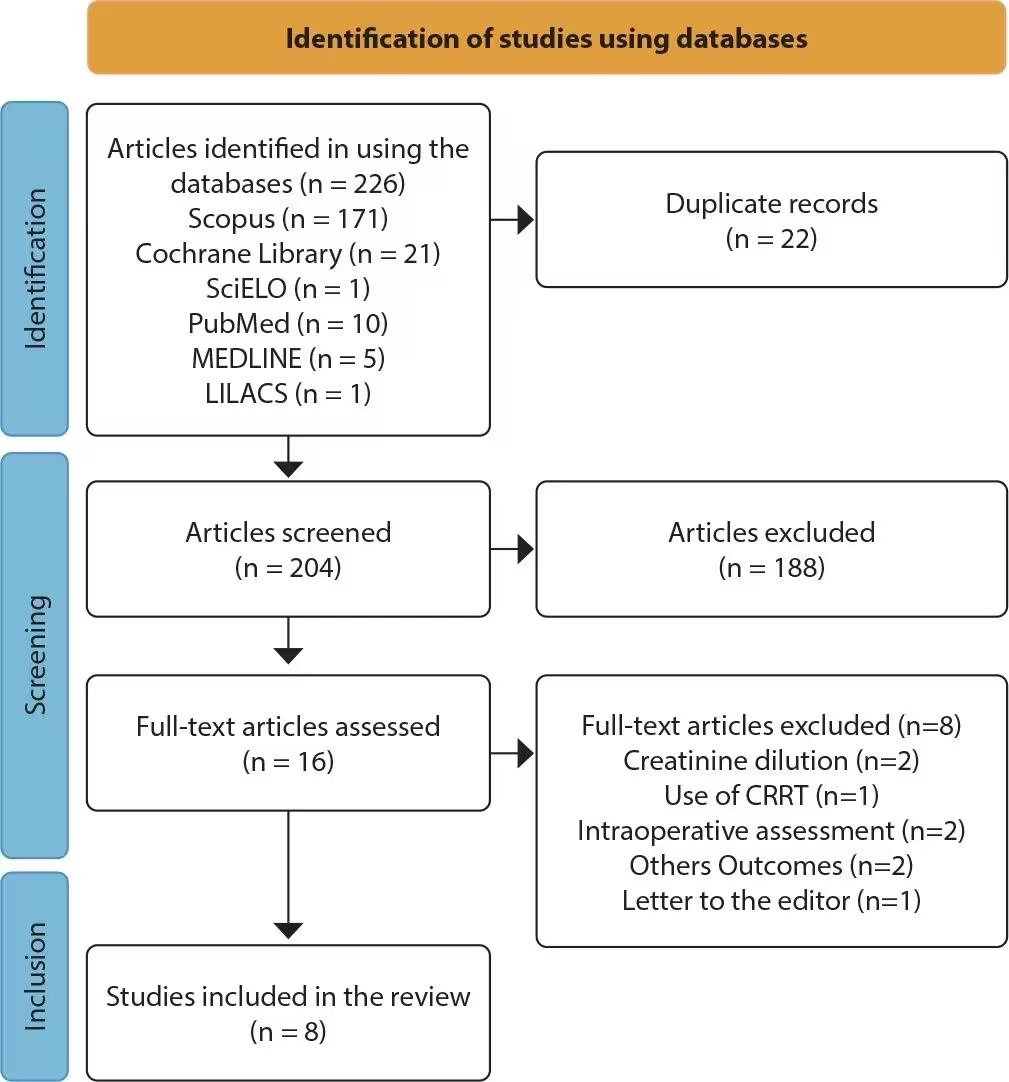
Led by researcher Beatriz Santana Prado and colleagues at the Federal University of São Paulo, the team evaluated 226 potential articles published between 2015 and 2024. Out of these, eight observational studies met all inclusion criteria, encompassing thousands of adult patients from countries including China, Germany, Taiwan, India, Iran, and Australia.
Seven of the eight analyzed studies demonstrated a clear, statistically significant connection between a positive post-operative fluid balance and a higher likelihood of developing acute kidney injury. Specifically, accumulating more than 30 milliliters of fluid per kilogram of body weight within 48 hours, or gaining 5 percent or more of body weight within 24 hours, was tied to a significantly higher incidence of kidney damage.
How Excess Fluid Harms Kidney Function
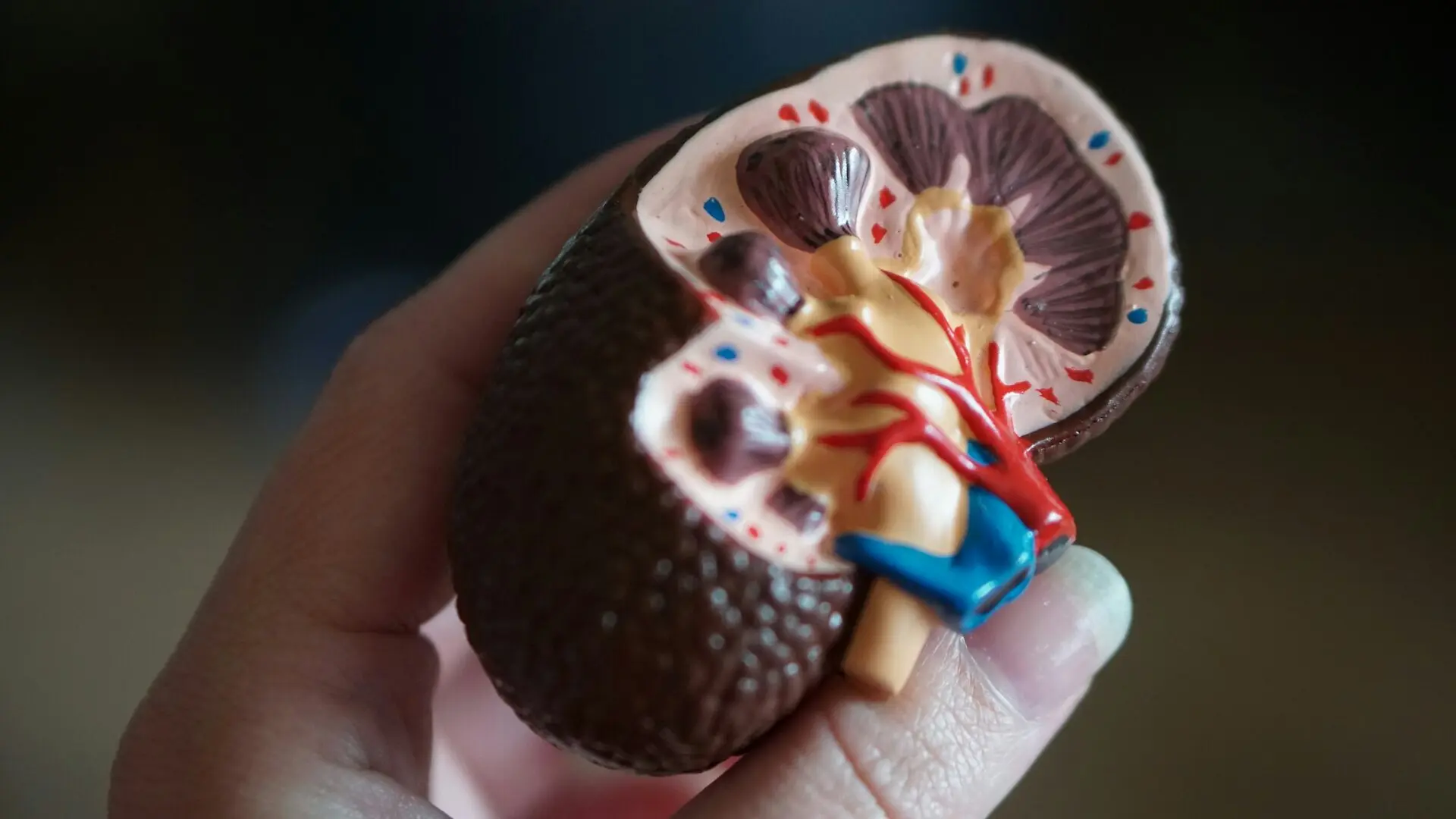
The human kidney sits inside a tight, encapsulated structure that leaves very little room for swelling or fluid accumulation. When medical teams administer excessive intravenous fluids, the resulting fluid overload increases internal pressure within the kidney. This extra pressure compresses delicate blood vessels, reduces blood flow, lowers the rate of blood filtration, and restricts overall functional capacity.
Furthermore, standard diagnostic markers can become misleading when patients retain large amounts of fluid. Excess water causes hemodilution, a state where blood components are diluted. This dilution can artificially lower serum creatinine measurements, a primary marker used to spot kidney trouble. As a result, fluid overload can mask the true severity of kidney injury, delaying critical diagnoses and treatments.
What Are the Limitations of the Current Evidence?
The authors noted several important limitations in the existing scientific literature. All eight included studies used an observational design rather than randomized controlled trials, meaning researchers can observe associations but cannot definitively prove direct cause and effect.
Additionally, there was noticeable heterogeneity across the studies, including varying definitions of fluid balance, different time frames for assessment, and diverse diagnostic criteria for kidney injury. These inconsistencies highlight the urgent need for standardized definitions and well-designed future research.
Why These Findings Matter for Patient Care
Intensive care nurses play a frontline role in tracking patient fluid intake and output, monitoring urine flow, and assessing clinical signs of distress. Careful, continuous documentation allows multidisciplinary medical teams to recognize early hemodynamic shifts and adjust therapy before irreversible damage occurs.
By highlighting the hidden dangers of fluid overload, this research emphasizes that meticulous fluid management is just as vital as the surgery itself. Better fluid control can protect renal health, shorten hospital stays, and improve overall survival rates for vulnerable cardiac patients.
The research was published in Revista brasileira de enfermagem on November 13, 2026.
This article has been fact checked for accuracy, with information verified against reputable sources. Learn more about us and our editorial process.
Last reviewed on .
Article history
- Latest version
Reference(s)
- Prado, Beatriz Santana., et al. “Positive fluid balance and the incidence of acute kidney injury in the postoperative period of cardiac surgery.” Revista Brasileira de Enfermagem, vol. 79, January 1, 2026 FapUNIFESP (SciELO), doi: 10.1590/0034-7167-2025-0617. <https://doi.org/10.1590/0034-7167-2025-0617>.
Cite this page:
- Posted by Sana Malik