Artists Blend Raw Clay With Virtual Reality Using Ocean-Inspired Method
An international academic project demonstrates how physical craft and 360-degree video can merge into a nomadic educational framework.
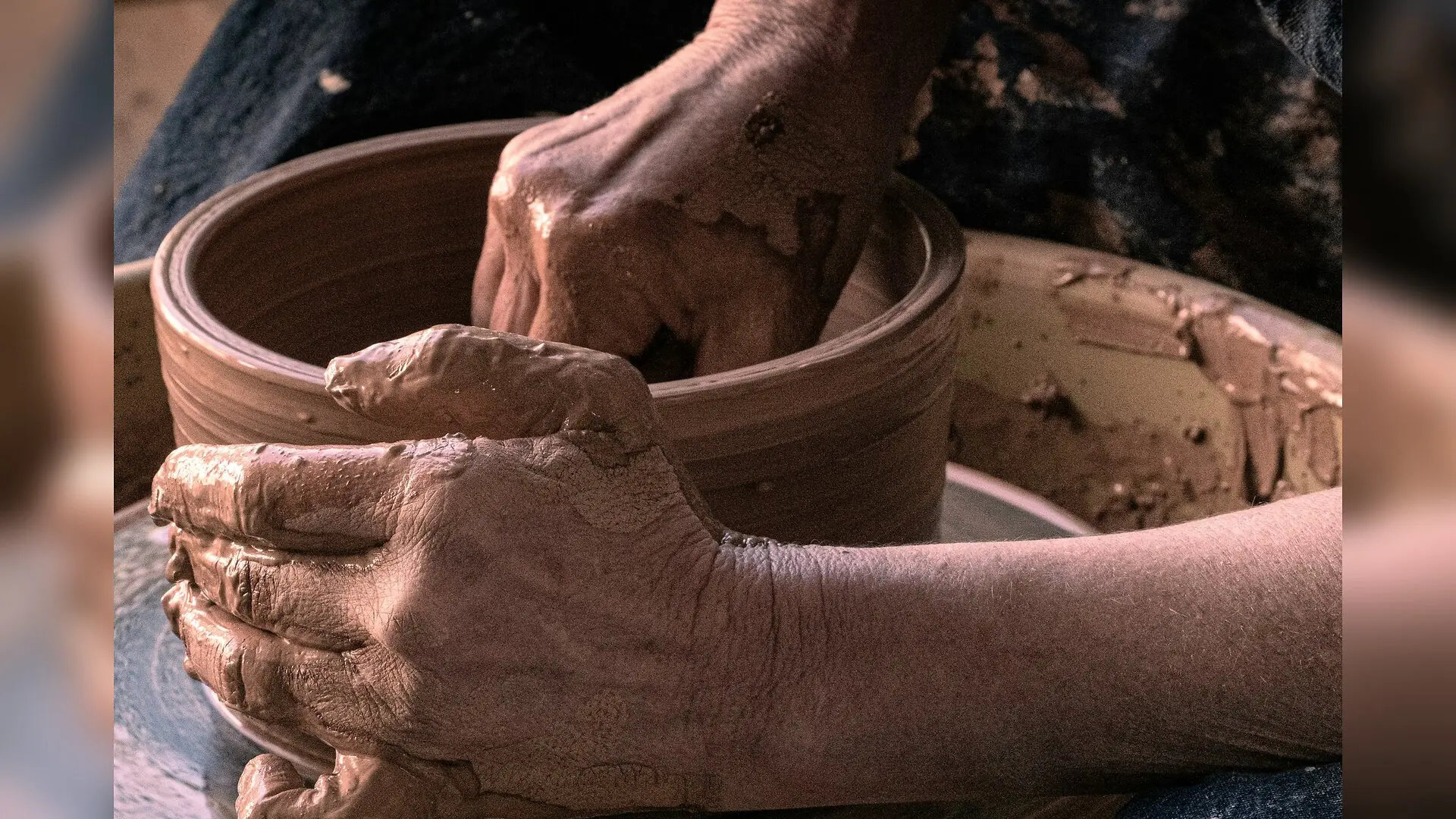
A new cross-cultural art project spanning Nairobi and Lisbon is changing how students and researchers blend traditional physical media like raw clay with immersive digital tools such as 360-degree video and virtual reality headsets. Researchers Helena Elias and Mónica Mendes have introduced an operative artistic concept called the nomadic fragment, which treats creative works and educational experiences not as finished static objects, but as transportable seeds that can be continuously reborn, reconfigured, and adapted in new environments.
The work, published in New Coordinates for Creative Hybrid Space-Experiences, details how international academic teams from Kenyatta University in Kenya and the University of Lisbon in Portugal tested these methods within higher education art programs. Funded under the European Marie Curie Actions Horizon project known as CAPHE (Communities and Artistic Participation in Hybrid Environments), the initiative seeks to overcome traditional academic boundaries that separate physical craftsmanship from digital technologies.
How Seagrass Biology Inspired a New Artistic Methodology
To build the framework for the nomadic fragment, the authors drew inspiration from the natural life cycle of seagrass propagules, which detach, drift with ocean tides, settle in new substrates, and establish themselves elsewhere. Just as seagrass adapts to changing coastal environments, the artistic nomadic fragment is designed to be performed as an educational methodology where the final outcome is never rigidly predetermined. Instead, educators set the material conditions of possibility, allowing unexpected creative iterations to emerge based on local circumstances and participant interactions.
This approach also builds upon historical avant-garde score events from the Fluxus art movement, where instruction-based performances could be rearranged endlessly. By combining the drifting behavior of marine plants with Harold Bloom’s literary concept of the tessera, which signifies a fragment that completes and re-interprets a precursor work, the team created a dynamic framework for practice-based research in art training.
Bridging Raw Earth and Immersive Virtual Environments
During workshops held in Nairobi and Lisbon, students and master ceramicists worked with local raw clay, shaping it through coil and slab techniques while incorporating environmental textures, imprints, and architectural details. Simultaneously, digital media students captured the creative process using 360-degree cameras and remote mobile applications. These digital recordings were later loaded into virtual reality headsets, allowing participants to step back into the original workshop space and experience an embodied sense of presence.
The authors argue that this seamless integration of physical crafting and digital documentation challenges the false binary between the virtual and the real. Rather than treating digital technology as an immaterial tool, the project emphasizes how light projections, algorithms, and immersive media are deeply entrenched in physical infrastructures and haptic sensations, such as the warmth of light on skin or the tactile resistance of wet clay.
Distributed Knowledge and Open Source Artistic Practices
By encouraging participants to photograph their finished clay pieces in everyday home settings and share digital files across international borders, the project adopts an open knowledge ethos akin to open-source movements. Rather than fostering proprietary consumer habits, the nomadic fragment functions as a distributive practice that empowers students to share and replicate creative methodologies. The researchers conclude that these hybrid pedagogies can effectively equip future fine arts doctoral candidates and university educators to navigate complex socio-material environments.
The research was published in New Coordinates for Creative Hybrid Space-Experiences on November 20, 2026.
This article has been fact checked for accuracy, with information verified against reputable sources. Learn more about us and our editorial process.
Last reviewed on .
Article history
- Latest version
Reference(s)
- Elias, Helena., et al. “The Nomadic Fragment: Proposing Operative Concepts to Artistic Research Training Actions Within Material Hybridisms.” Palgrave Studies in the Future of Humanity and its Successors, November 20, 2026, pp. 263-293. Springer Nature Switzerland, doi: 10.1007/978-3-032-29638-2_14. <https://doi.org/10.1007/978-3-032-29638-2_14>.
Cite this page:
- Posted by Divya Iyer