Dubai Is Building A Strategic Bypass To Escape The Dangerous Strait Of Hormuz
The UAE is developing a new trade corridor to bypass the Strait of Hormuz, offering ships bound for Dubai a strategic alternative route for global commerce.
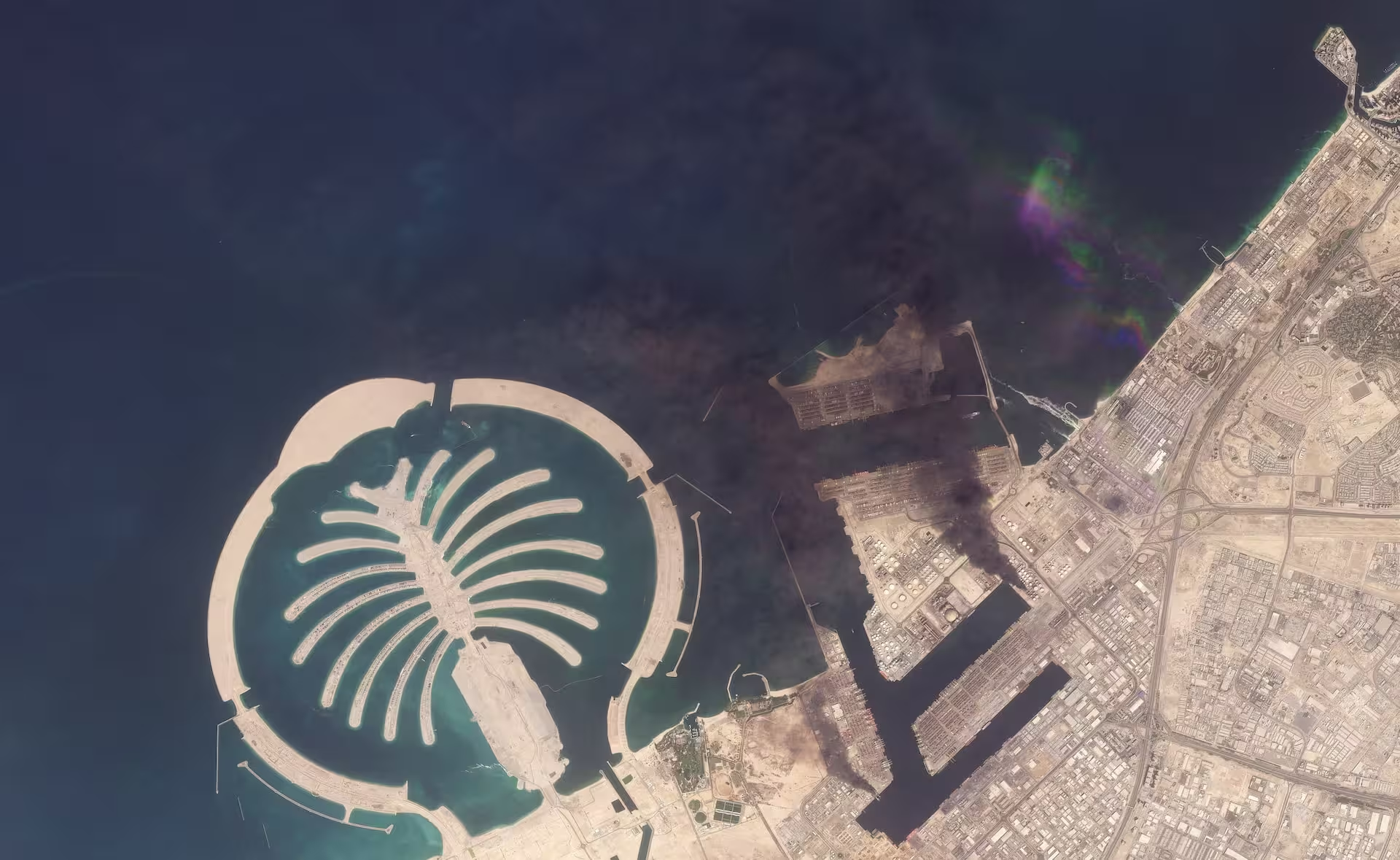
The economic prosperity of Dubai has long been tethered to a sophisticated logistics network that faces an increasingly precarious reality. At the heart of this system lies Jebel Ali Port, a critical commercial hub that, while globally significant, is geographically constrained by its location deep within the Persian Gulf. To access international shipping lanes, all vessels entering or exiting the port must navigate the Strait of Hormuz, a narrow maritime chokepoint that has become a flashpoint for regional instability.
The strategic vulnerability of this route has intensified as security threats to commercial shipping rise, leading to a marked decline in maritime traffic. In response to these persistent risks, the United Arab Emirates (UAE) is aggressively diversifying its logistics infrastructure, moving to develop new ports on its eastern coast and expanding a network of inland pipelines and transit corridors to bypass the bottleneck of the strait.
The Economic Stakes at Jebel Ali
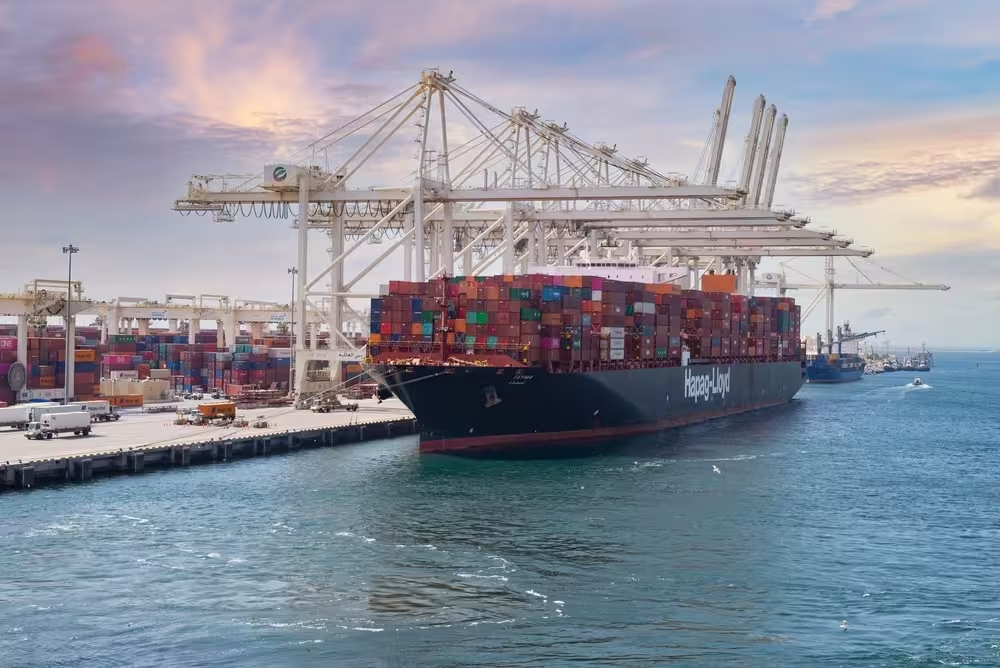
Jebel Ali functions as more than just a terminal; it is the cornerstone of the regional economy. Integrated with the expansive Jafza free zone, the port ecosystem supports over 11,000 international companies and is responsible for an estimated 36 percent of Dubai’s gross domestic product. According to data from DP World, the facility boasts an annual capacity of 19.4 million twenty-foot equivalent units (TEUs), anchored by 100 berths that facilitate over 80 weekly services to approximately 150 ports worldwide.
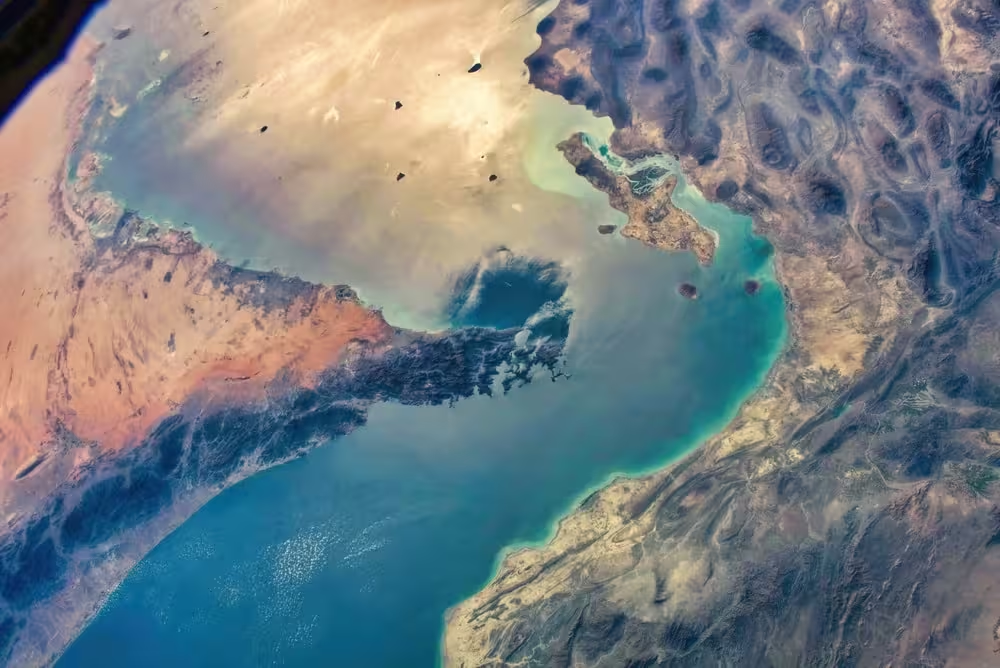
However, this reliance on a single, enclosed gateway creates a structural risk. The Strait of Hormuz, which spans just 33 kilometers at its most constricted point, serves as a vital artery for roughly 20 percent of the world’s petroleum-liquids consumption. As noted by the U.S. Energy Information Administration, the volatility of this passage threatens not only Dubai’s trade flow but also energy security across Asia and the broader global market.
Security Pressures and Evolving Trade Routes
The geopolitical instability that escalated in early 2026 has fundamentally altered regional shipping patterns. According to the EIA, the volume of petroleum products transiting the strait plummeted from 21.6 million barrels per day in late 2025 to 4.9 million in the second quarter of 2026. This decline reflects a broader trend of operators avoiding the region, a caution further validated by recent hostile incidents, including the September 1 attack on two supertankers carrying Saudi crude.
Strategic Expansion Beyond the Gulf
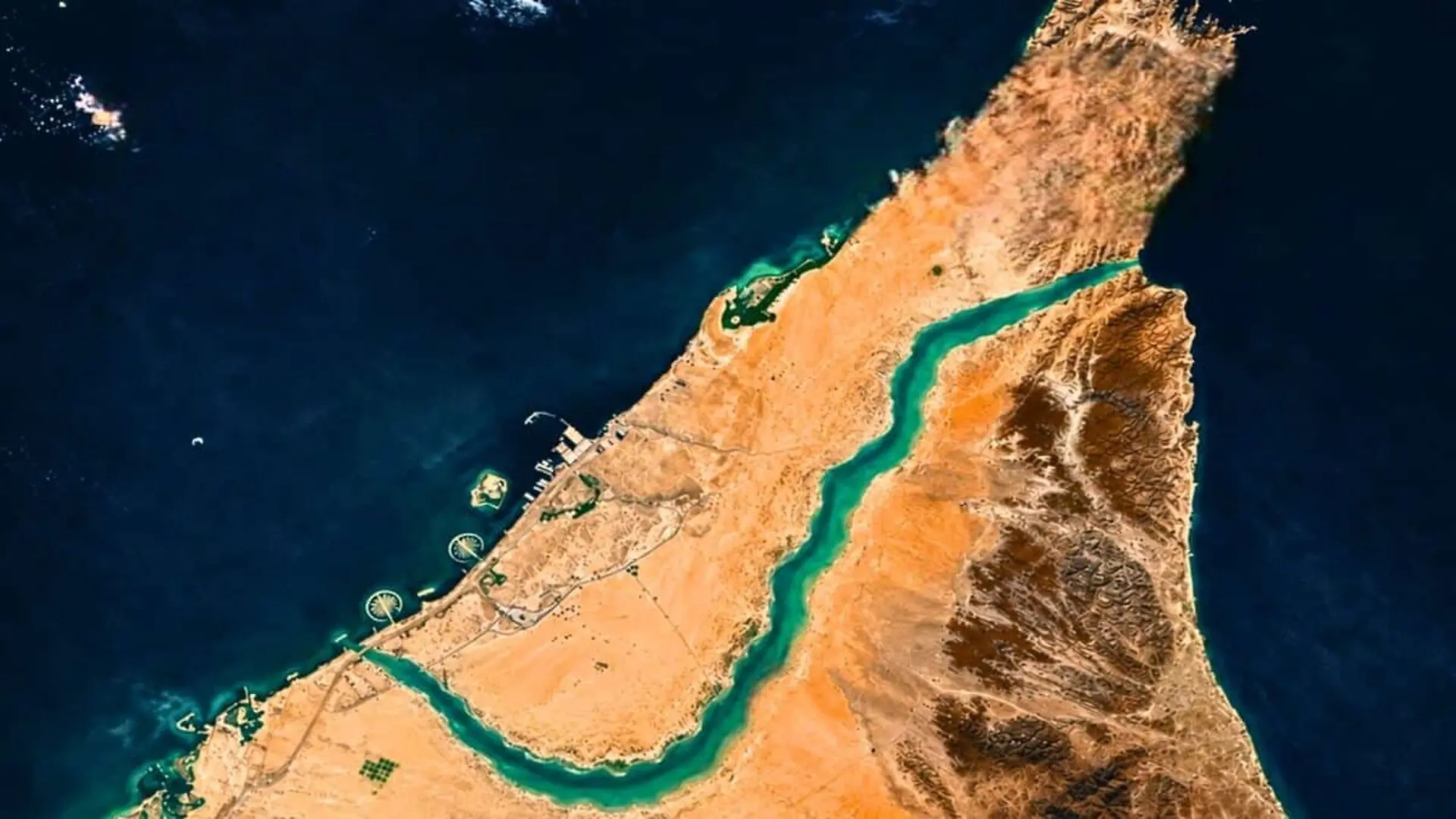
To mitigate these risks, the UAE is prioritizing a shift toward the Gulf of Oman. Under an agreement finalized in July 2026, DP World will oversee the development of two new facilities: the Al Rugaylat container and multipurpose terminal and the Dibba General Cargo terminal. These sites are designed to provide a deep-water alternative that enables vessels from the Indian Ocean to unload cargo without navigating the treacherous Strait of Hormuz.
Once completed, the Al Rugaylat facility will handle approximately 2.5 million TEUs annually, while the Dibba terminal will add 3.6 million tonnes of cargo capacity. This infrastructure is intended to function as an integrated logistics network, where goods are transferred via land or rail to the interior of the UAE, complementing rather than replacing the operations at Jebel Ali.
Securing Energy Exports
Parallel to commercial trade efforts, the UAE is reinforcing its energy security. The state-run ADNOC is currently constructing a second major pipeline to transport crude oil from western production fields directly to the Fujairah export terminal on the eastern coast. This project is expected to double the capacity for oil exports that bypass the Gulf transit route entirely, with completion projected for 2027.
While these projects represent a multi-year investment, they signal a definitive change in the nation’s geopolitical and logistical posture. By shifting the focus of its trade and energy corridors toward the open ocean, the UAE is aiming to insulate its economy from the volatility that has long defined its reliance on the Strait of Hormuz.
This article has been fact checked for accuracy, with information verified against reputable sources. Learn more about us and our editorial process.
Last reviewed on .
Article history
- Latest version
Reference(s)
- <https://www.dpworld.com/en/ports-terminals/uae/jebel-ali-port>.
- “Amid regional conflict, the Strait of Hormuz remains critical oil chokepoint - U.S. Energy Information Administration (EIA).” <https://www.eia.gov/todayinenergy/detail.php?id=65504>.
- “Short-Term Energy Outlook - U.S. Energy Information Administration (EIA).” <https://www.eia.gov/outlooks/steo/report/global_oil.php>.
- <https://www.reuters.com/business/energy/two-tankers-carrying-saudi-oil-attacked-strait-hormuz-2026-09-01/>.
- “Khaled bin Mohamed bin Zayed chairs meeting of Executive Committee of ADNOC Board of Directors.” <https://www.adnoc.ae/en/news-and-media/press-releases/2026/khaled-bin-mohamed-bin-zayed--chairs-meeting-of-executive>.
Cite this page:
- Posted by Divya Iyer