Scientists Identify the 7 Countries Most Likely to Survive a Global Collapse
New research modeling the aftermath of nuclear winter identifies seven nations with unique geographical advantages that could ensure food security and survival.
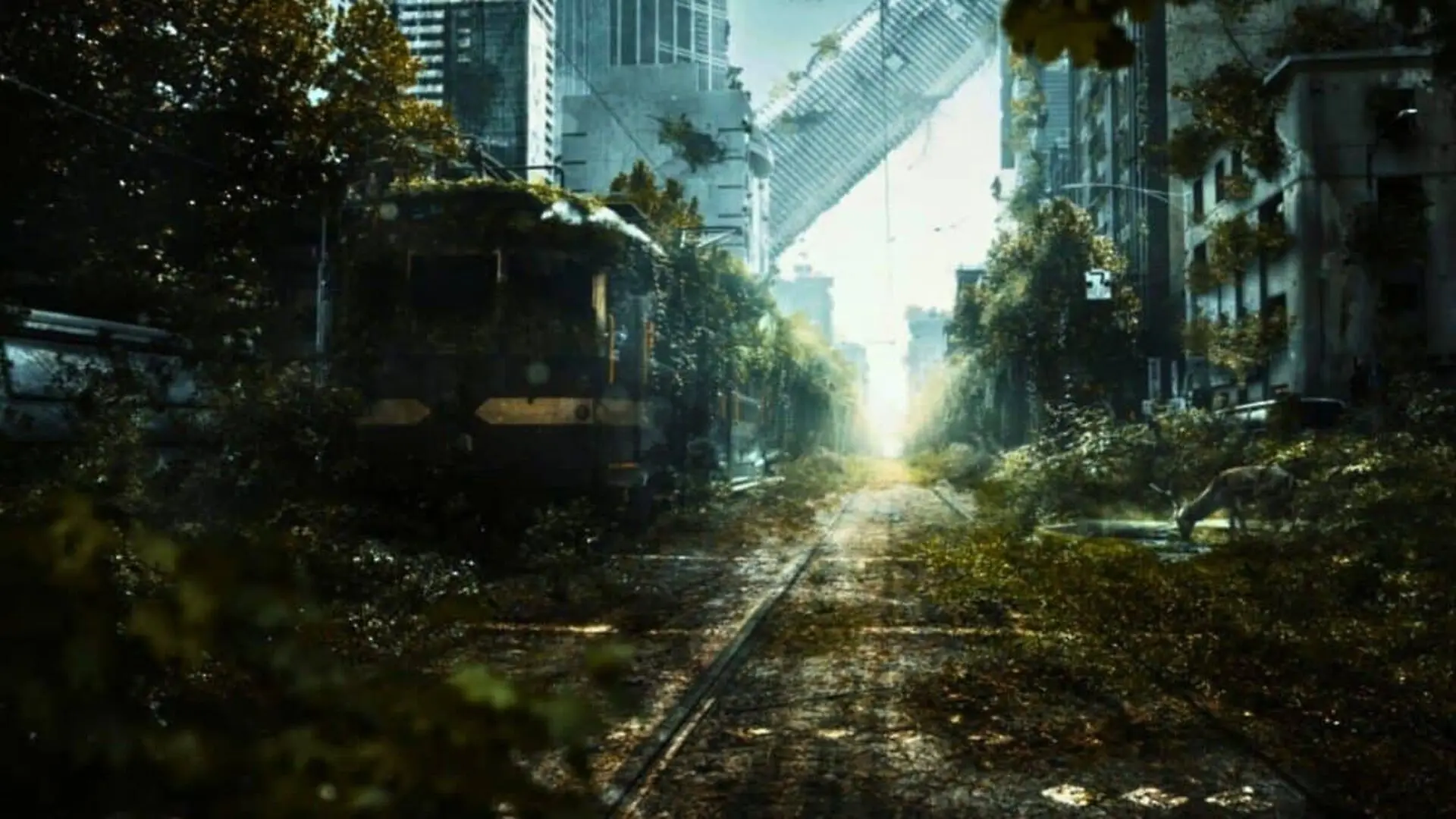
In the event of a catastrophic global collapse, where technological and social infrastructures fail, a handful of nations appear better positioned than others to maintain some semblance of modern society. Recent peer-reviewed research identifies seven countries that stand out for their potential resilience, though the specific conditions required for survival—such as nuclear winter or broad societal breakdown—shift the rankings depending on the scenario.
A 2021 study aimed to identify “nodes of persisting complexity,” or regions capable of sustaining modern life despite global instability. By evaluating national preparedness and vulnerability through the University of Notre Dame Global Adaptation Index (ND-Gain), researchers compared countries based on food production, energy sourcing, manufacturing capabilities, and geographical isolation. Five nations emerged as the top candidates: the United Kingdom, New Zealand, Iceland, Australia, and Ireland.
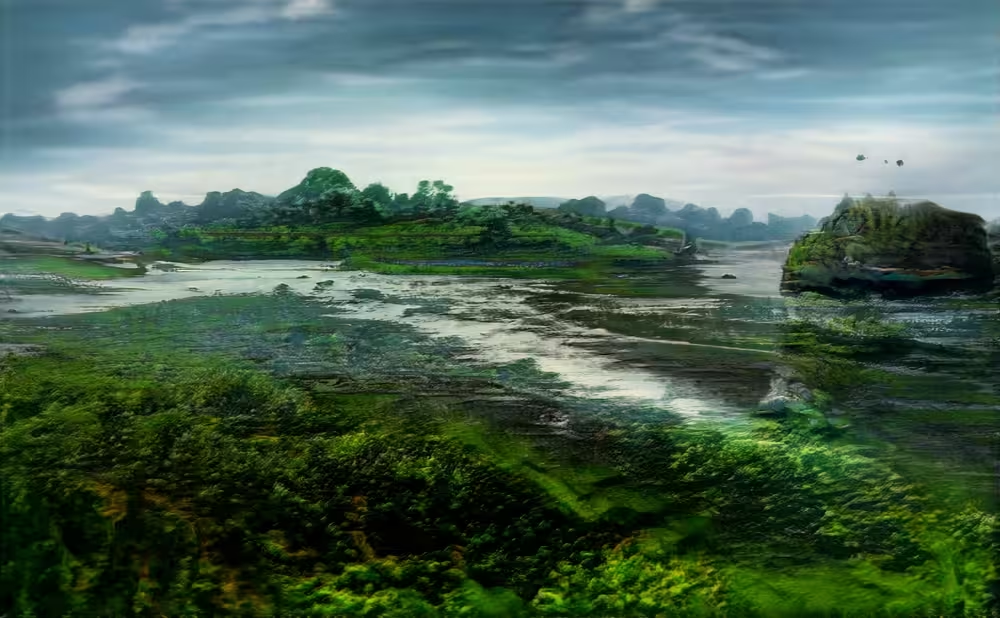
New Zealand secured the highest initial rating in this assessment. With a score of 6.5, it outperformed Iceland (1.2), the UK and Australia (1.0), and Ireland (0.6). New Zealand’s advantage stems from its remote geography and robust agricultural potential. However, researchers noted that a high rating does not guarantee survival, as the nation faces limitations in its domestic manufacturing base and vulnerability to localized natural disasters.
Survival Under the Shadow of Nuclear Winter
A separate study published in Risk Analysis specifically modeled scenarios involving dramatic reductions in sunlight—caused by major volcanic eruptions, asteroid impacts, or nuclear war—which would devastate global food production. Assessing 38 island nations, the researchers looked at how these countries would perform under varying levels of atmospheric soot.
When modeling the most extreme scenario of 150 teragrams of soot, Australia, New Zealand, Iceland, Vanuatu, and the Solomon Islands remained capable of meeting a daily threshold of 2,200 kilocalories per person. In this context, Australia emerged as the leader. Its “food supply buffer” was described by researchers as “gigantic,” with the potential to produce over 16,000 kilocalories per person per day, even under the most severe conditions. Factors such as infrastructure, health security, and energy independence further solidified Australia’s top position.

The Fragility of Modern Independence
Despite their favorable rankings, these nations are not immune to the risks of global decoupling. Even the most resilient countries remain heavily reliant on complex supply chains for fuel, specialized machinery, pesticides, and technical spare parts. New Zealand, for instance, could technically pivot its massive dairy exports to feed its population, yet it currently lacks domestic oil refining capabilities, relying entirely on international imports for its fuel needs.
Experts warn against a false sense of security. While New Zealand and Australia possess the raw caloric output to sustain their populations during a catastrophe, the continuity of their food systems is tethered to the global trade of non-agricultural inputs. Without these essential imports, the high-tech, industrialized farming methods that currently support their populations would likely face significant decline, turning potential survival havens into areas requiring extreme resource management.
This article has been fact checked for accuracy, with information verified against reputable sources. Learn more about us and our editorial process.
Last reviewed on .
Article history
- Latest version
Reference(s)
- <https://www.mdpi.com/2071-1050/13/15/8161>.
- Boyd, Matt., et al. “Island refuges for surviving nuclear winter and other abrupt sunlight‐reducing catastrophes.” Risk Analysis, vol. 43, no. 9, December 4, 2022, pp. 1824-1842. Wiley, doi: 10.1111/risa.14072. <https://onlinelibrary.wiley.com/doi/10.1111/risa.14072>.
Cite this page:
- Posted by Karan Das