NASA Astronauts Complete Historic All-Female Spacewalk After Tackling Technical Glitch
NASA astronauts have completed a historic spacewalk at the ISS, successfully upgrading external hardware despite encountering a minor repair challenge.
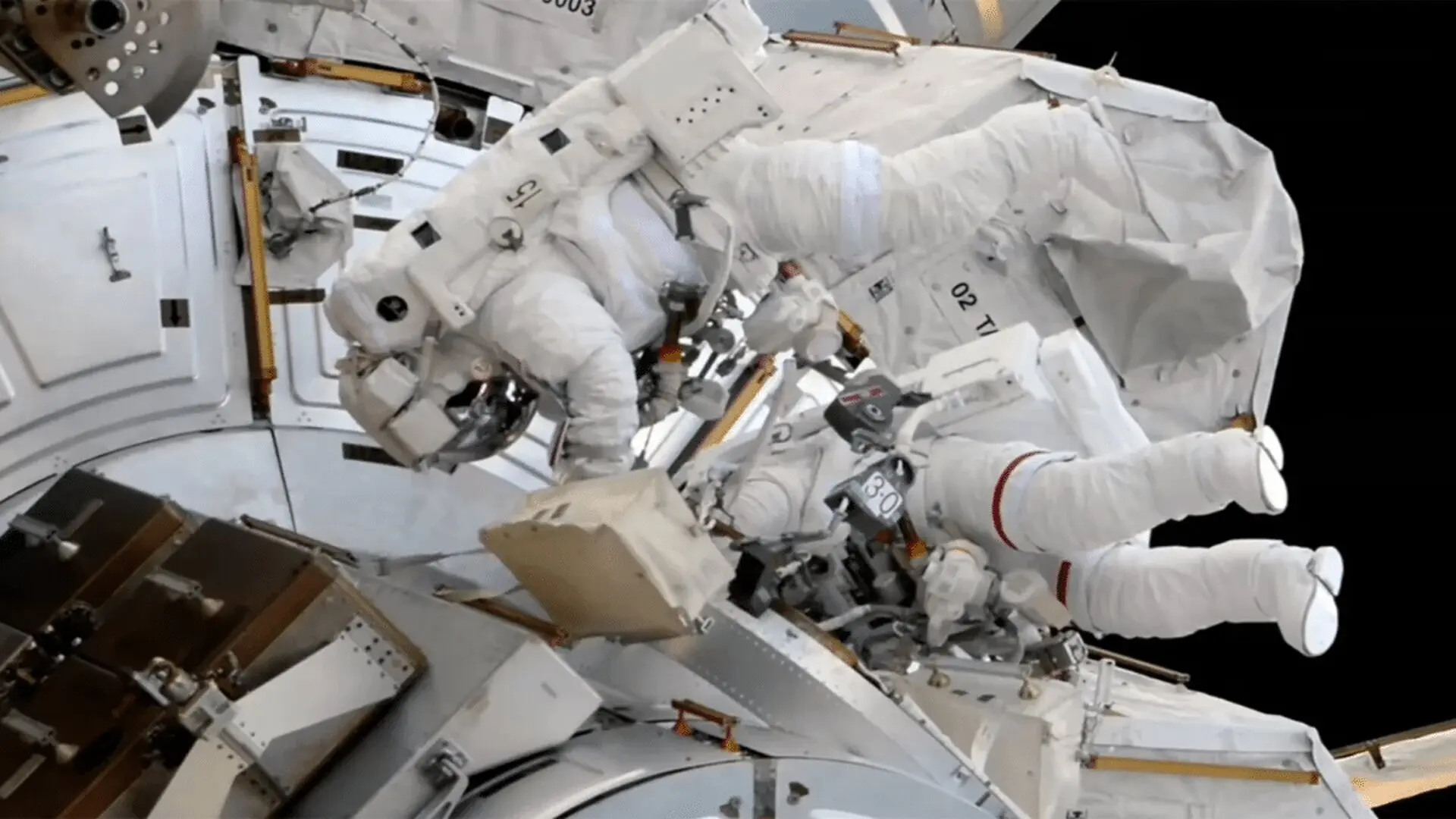
NASA astronauts Jessica Meir and Christina Koch have successfully completed a critical maintenance mission outside the International Space Station (ISS), marking a significant milestone in spaceflight history. This extravehicular activity (EVA) stands as the sixth all-female spacewalk ever conducted, underscoring the vital and expanding contributions of women to complex orbital infrastructure projects.
Upgrading Vital Orbital Infrastructure
The mission focused on essential hardware replacements required to keep the aging orbital laboratory running smoothly. During their time outside the station, Meir and Koch successfully swapped out a malfunctioning external camera assembly and installed a new docking target. These components are critical for station operations, as they provide necessary visual guidance and support for incoming spacecraft attempting to dock safely with the ISS.
Maintaining the station after more than two decades in low Earth orbit requires constant vigilance. Regular upgrades are necessary to ensure that the facility remains a functional platform for international research. By replacing these aging systems, the crew ensured that the station remains fully capable of supporting ongoing operations and future visiting vehicles.
Navigating Technical Hurdles in Orbit
While the mission was ultimately successful, the complexity of working in the vacuum of space became apparent when the duo encountered an unexpected technical snag. During the installation process, a cable snagged, creating resistance that required careful attention from the astronauts.
Reflecting on the minor complication, Jessica Meir explained, “I think it was where the cable got caught in between the shoulder MLI [multi-layer insulation] and the rotation [joint]. I don’t think it was held up by anything but some friction.”
This event highlighted the reality of performing repairs in a microgravity environment, where even well-prepared plans can face physical challenges once equipment is exposed to the harsh conditions of orbit. Success in such scenarios relies heavily on the synergy between the astronauts and the mission control teams on the ground. Through real-time communication and precise problem-solving, the crew was able to navigate the friction issue and complete their objectives as planned.
This mission not only demonstrated the technical proficiency required for external station maintenance but also served as a testament to the evolving demographic of space explorers. As NASA continues its long-term efforts to maintain the orbital outpost, the successful execution of this spacewalk highlights the increasing diversity and expertise of the personnel tasked with securing the future of human presence in space.
This article has been fact checked for accuracy, with information verified against reputable sources. Learn more about us and our editorial process.
Last reviewed on .
Article history
- Latest version
Cite this page:
- Posted by Karan Das