A Rare Lunar Event Is Coming In 2027 And It Will Be A Subtle Challenge For Skywatchers
The next lunar eclipse in 2027 will look quite different from the iconic Blood Moon. Discover what scientists expect from this upcoming celestial event.
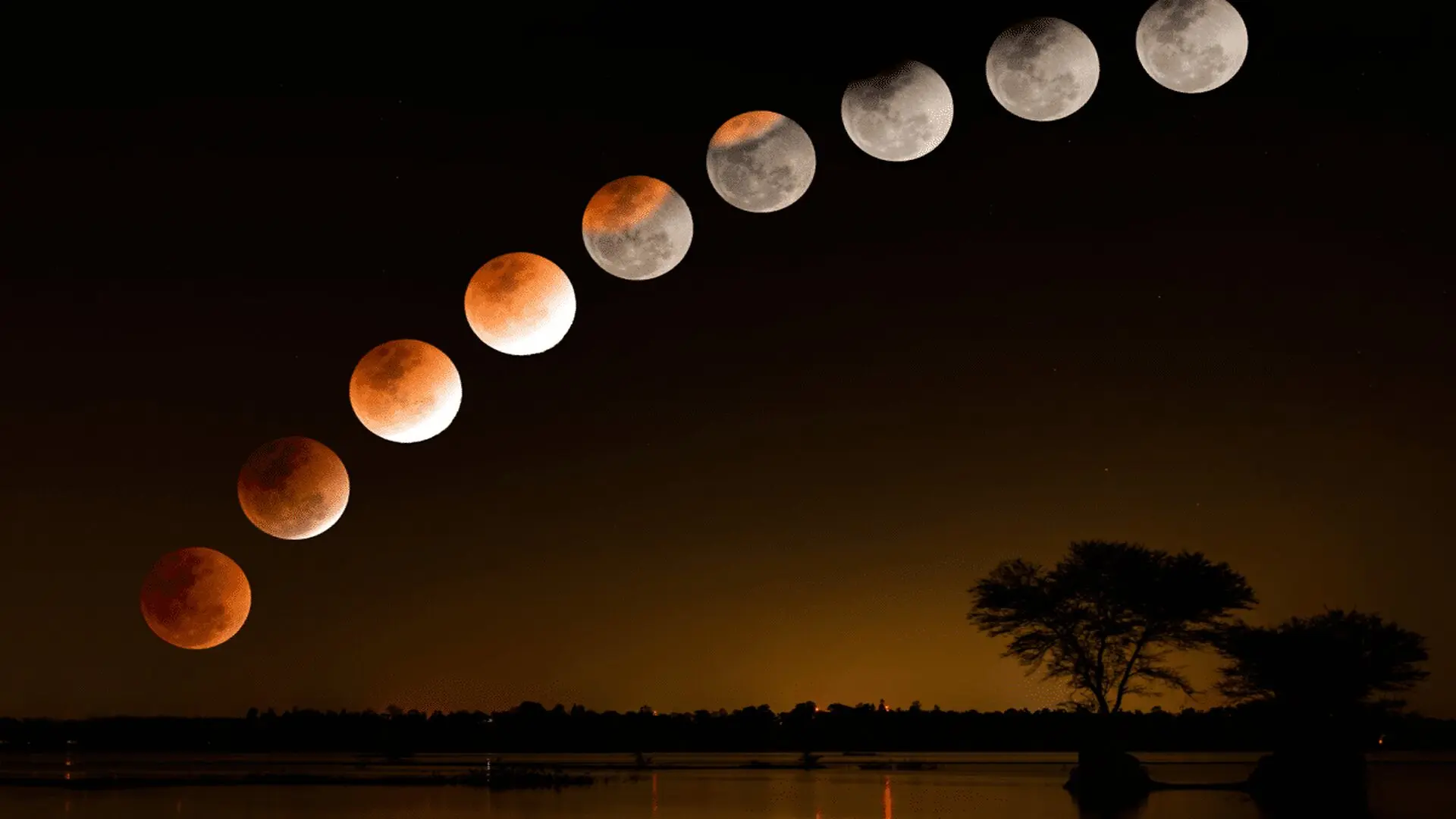
Skywatchers have another celestial alignment to mark on their calendars as a penumbral lunar eclipse prepares to sweep across the lunar surface on February 20, 2027. Unlike the striking, crimson-hued spectacles known as Blood Moons, this event will be a far more subtle affair, characterized by the Moon drifting through the outer, lighter portion of Earth’s shadow, known as the penumbra.
While this event lacks the dramatic visual punch of a total lunar eclipse, it offers a distinct opportunity to observe the precise mechanics of orbital motion. The phenomenon will coincide with the February full Moon, traditionally referred to as the Snow Moon due to the wintry conditions typically found in the Northern Hemisphere at that time of year.
Understanding the Mechanics of a Penumbral Eclipse
A penumbral eclipse occurs when the Moon enters the periphery of Earth’s shadow rather than its core. Because this outer region is less effective at blocking sunlight than the dense, central umbra, the lunar surface will not be completely obscured or cast into darkness. Instead, observers may notice a slight, faint shading—a delicate dimming—that is most likely to be detectable near the northern limb of the Moon at the moment of maximum eclipse.
Tips for Observing the Subtle Dimming
According to Time And Date, the peak of the eclipse will occur at 6:12 p.m. EST (23:12 GMT) on February 20, 2027. For the casual observer, the reduction in brightness may be nearly imperceptible to the naked eye. However, the event provides an excellent challenge for amateur astronomers and photographers interested in documenting celestial nuances.
Capturing the change in luminosity requires a careful setup. Photographers are advised to use manual camera settings, long lenses, and stable tripods to track the Moon throughout the event. By comparing images taken during the peak of the eclipse with those of a standard full Moon, the subtle reduction in brightness becomes far more apparent than it is during real-time observation.
Future Prospects for Total Lunar Eclipses
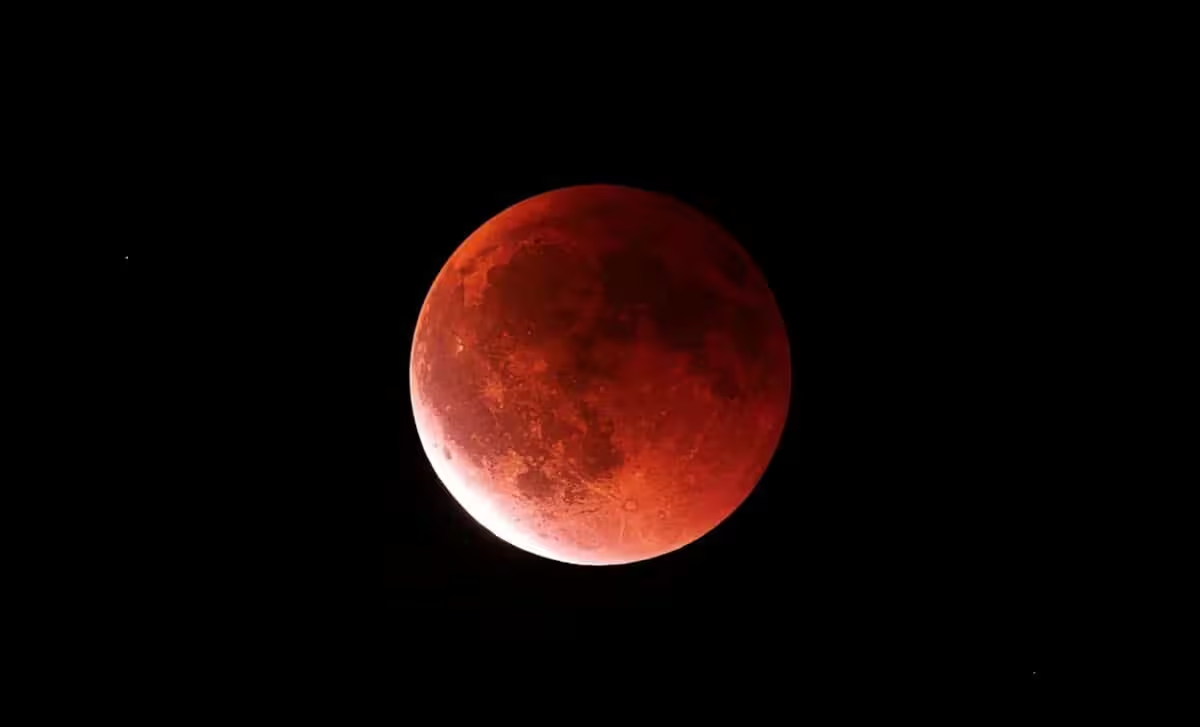
Those seeking the intense, deep-red transformation of a total lunar eclipse will need to exercise patience. Following a recent partial eclipse in August, the next opportunity for a major, vivid display is not expected until December 31, 2028. During a total lunar eclipse, the entire Moon enters the umbra, filtering sunlight through Earth’s atmosphere to produce the iconic, Blood Moon appearance. Atmospheric conditions, such as the presence of volcanic dust or cloud cover, can significantly influence the intensity of the colors visible during these events.
The 2028 eclipse will be highly anticipated, with visibility extending across parts of Asia, Australia, and the Pacific region. In the meantime, the 2027 penumbral eclipse serves as a quiet reminder of the persistent, clockwork precision inherent in our Earth-Moon-Sun system. Even without a dramatic flair, the movement of our satellite through the shadows of our world remains a fascinating testament to the orbital geometry governing our skies.
This article has been fact checked for accuracy, with information verified against reputable sources. Learn more about us and our editorial process.
Last reviewed on .
Article history
- Latest version
Cite this page:
- Posted by Divya Iyer