Nautile Submersible Shows Thousands of Corroded Radioactive Barrels on Atlantic Seabed
Scientists revisit a decades‑old Atlantic seafloor site, using new tech to investigate thousands of hidden barrels and their impact.
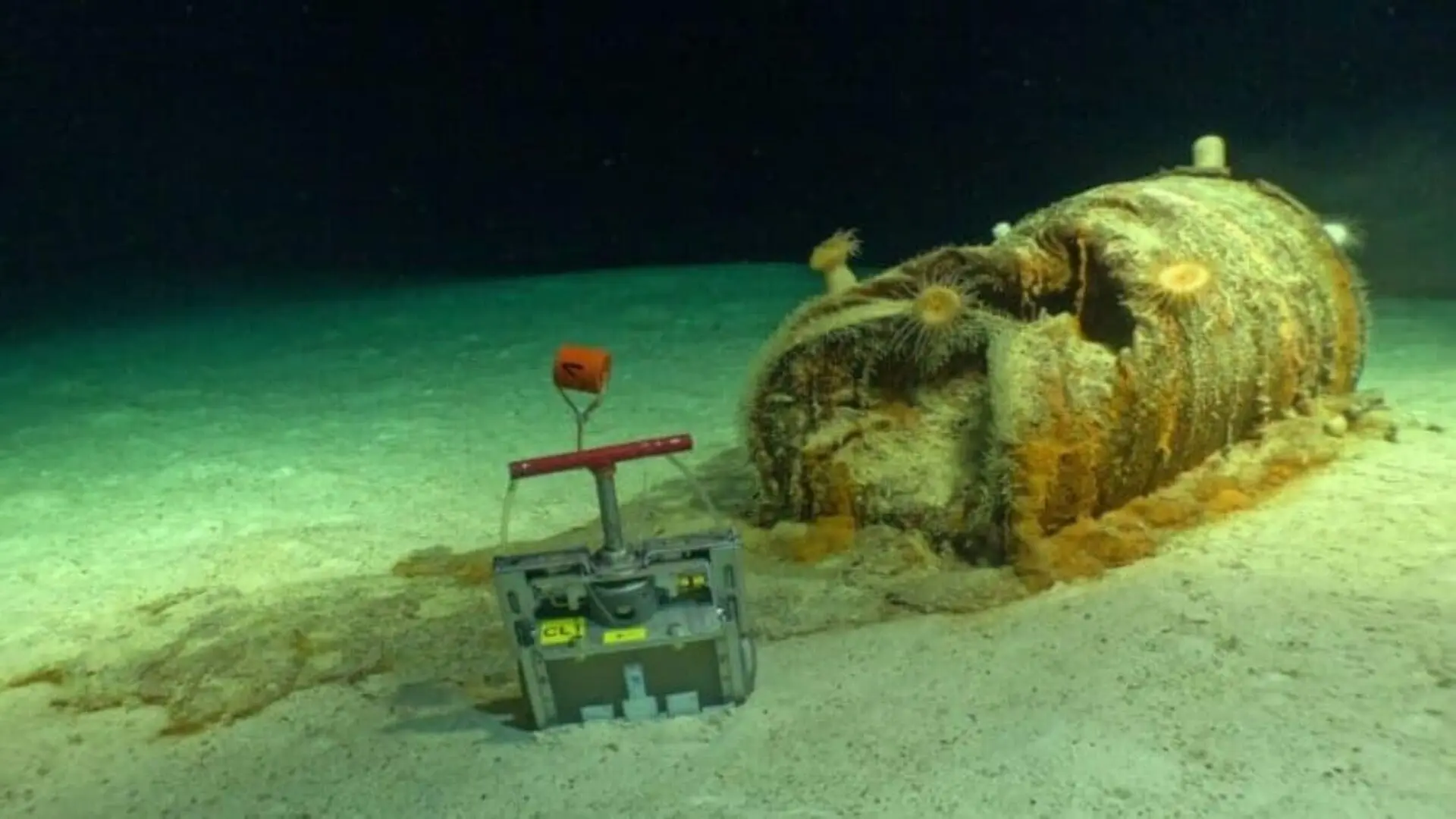
A recent expedition to the Northeast Atlantic has uncovered thousands of rusty radioactive waste barrels resting on the seafloor, many of which show visible signs of corrosion and leakage into surrounding sediments.
The find emerged from the NODSSUM research program, which deployed the Nautile submersible to inspect a historic dumping zone that holds more than 200,000 barrels discarded during the latter half of the 20th century. Until these dives, scientists could only assess the site from a distance.
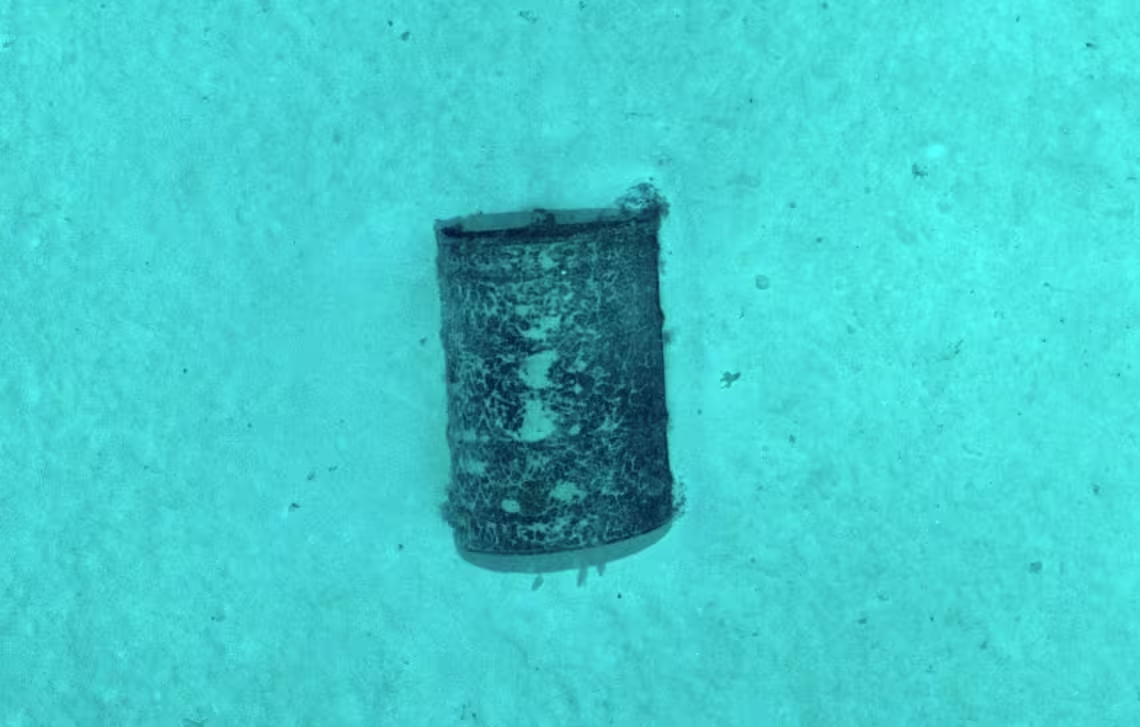
While the mission has not yet quantified the environmental consequences of the leaks, researchers plan to analyze collected samples to track the movement of radioactive particles and assess whether local fauna are incorporating them.
Deep‑Sea Survey on the Vessel “Pourquoi Pas?”
A crew of roughly 30 scientists aboard the research ship Pourquoi Pas? spent a month at sea from May 27 to June 28, 2026. Over the course of 20 dives reaching depths of more than 15,400 feet, the Nautile probe encountered dozens of barrels in severe disrepair, with some visibly leaking material onto the surrounding mud. The team’s observations are documented in a previous report on the mysterious white halos surrounding the barrels.
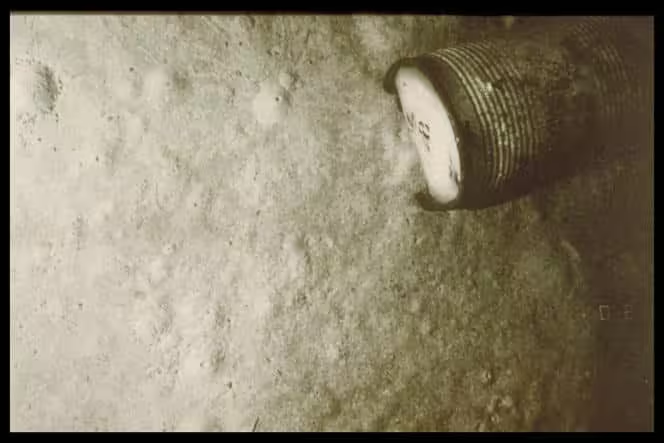
Beyond the barrels themselves, the expedition documented a surprisingly vibrant community of deep‑sea organisms—anemones, sponges, crabs and other species—clinging to or inhabiting the metal structures, challenging the notion that the abyss is barren.
Elevated Radioactive Signatures Prompt Further Study
In‑situ instruments recorded concentrations of radionuclides that exceed typical background levels for the region. Notably, the surveys identified heightened amounts of cobalt‑60 and niobium‑94, isotopes commonly linked to nuclear waste, alongside traces of cesium‑137 and americium‑241.
According to the French National Centre for Scientific Research, some of these isotopes may also originate from historic nuclear weapons tests or past accidents, complicating the attribution of the measured radioactivity to the barrels alone. For broader context on how marine microbes interact with radiation, see the earlier analysis at Planet Earth Report.
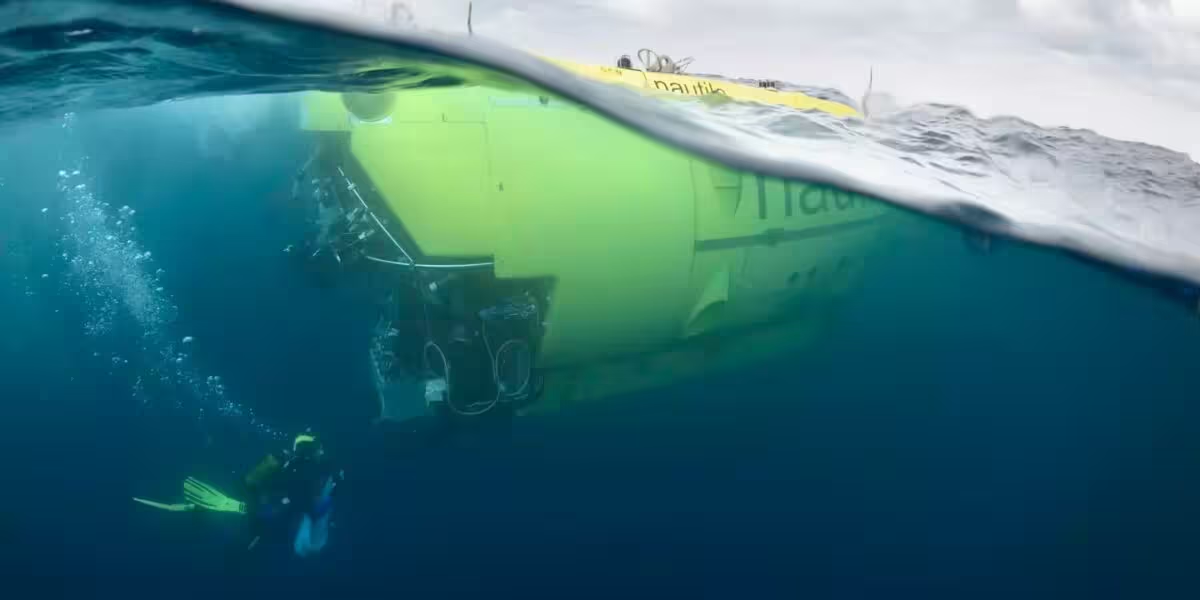
Samples of sediment, water and organisms collected near the containers are now being processed in laboratories to determine how radioactive material migrates through the deep‑sea environment and whether it is being assimilated by the resident fauna.
Mapping the Hidden Waste Field and Planning Next Steps
The recent dives built on a 2025 survey conducted by the autonomous underwater vehicle Ulyx, which charted the seabed and identified 3,355 containers. That effort also gathered 5,000 liters of water samples, 345 sediment cores and specimens from 34 fish and crustaceans. The comprehensive dataset, hosted by the NODSSUM campaign, guided the targeted Nautile dives.
The barrels represent only a fraction of a broader legacy of Atlantic radioactive waste disposal. Historical records cited by CNRS indicate that France alone dumped over 46,000 barrels during operations in 1967 and 1969. Those containers were never engineered for permanent containment; the disposal strategy of the era relied on gradual dilution and dispersion over long time scales.
Future phases of the project will focus on detailed laboratory analyses to map the extent of radionuclide spread and to evaluate the degree of incorporation into deep‑sea ecosystems, shedding light on the long‑term environmental impact of mid‑century nuclear waste practices.
This article has been fact checked for accuracy, with information verified against reputable sources. Learn more about us and our editorial process.
Last reviewed on .
Article history
- Latest version
Reference(s)
- “Atlantique : sur la piste des fûts radioactifs.”, March 25, 2022 CNRS Le journal <https://lejournal.cnrs.fr/articles/atlantique-sur-la-piste-des-futs-radioactifs>.
- “Campagne Nodssum | Cartographier les fûts de déchets radioactifs immergés.” Flotte océanographique française opérée par l'Ifremer <https://www.flotteoceanographique.fr/Toutes-les-actualites/Campagne-Nodssum-Cartographier-les-futs-de-dechets-radioactifs-immerges>.
Cite this page:
- Posted by Divya Iyer