Sharks Become Mobile Ocean Sensors to Boost Hurricane Forecasts
Sharks are now science allies, helping researchers uncover hidden ocean data in a groundbreaking study that reveals an unexpected side of these predators.
A team from the University of Delaware is turning apex predators into mobile ocean observatories, hoping their movements will fill gaps in data that limit hurricane forecasting. By fastening miniature CTD sensors to sharks that roam the Atlantic’s upper layers, researchers aim to capture real‑time measurements of temperature, depth and salinity—key variables that fuel storm intensification.
Sharks Serve as Living Data Buoys for Storm Science
The tags, known as CTD units, transmit readings to satellites each time a tagged shark breaches the surface. This satellite link enables scientists to track ocean conditions across vast distances without relying solely on fixed buoys or research vessels. “Animal‑borne sensors have a long history in polar research, especially with elephant seals,” noted Aaron Carlisle, professor and project lead, linking the new approach to established oceanographic methods.
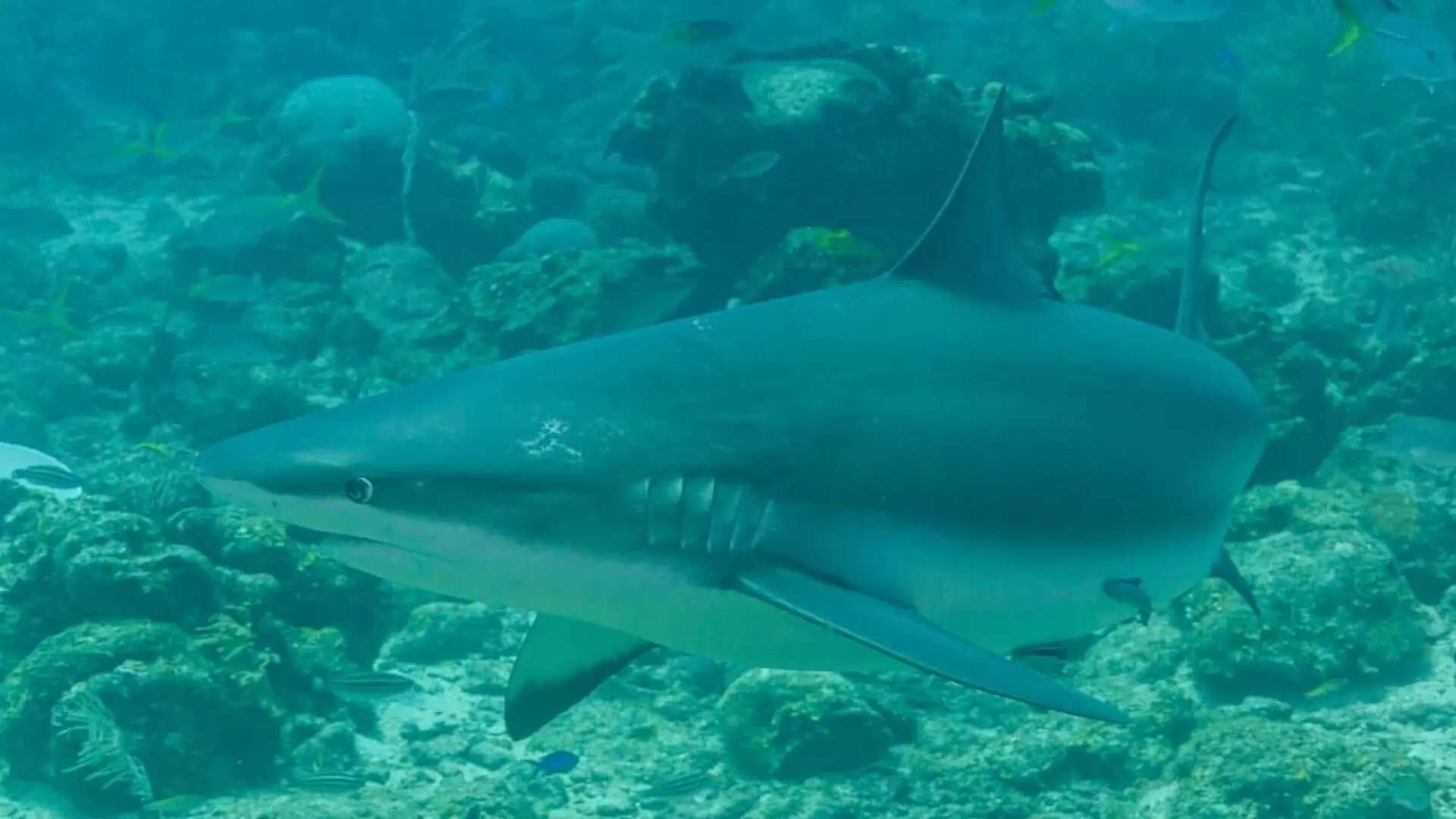
Sharks are ideal candidates because they travel widely, surface frequently, and are less protected than many marine mammals. The study targets several fast‑moving species, including shortfin mako sharks, blue sharks, smooth hammerheads and juvenile great white sharks.
The focus is on the mixed layer—the sun‑heated surface zone where most of the thermal energy that powers hurricanes resides. Carlisle explained that variations in this layer “really drive hurricane intensity,” because warmer water can supply additional fuel to developing storms.
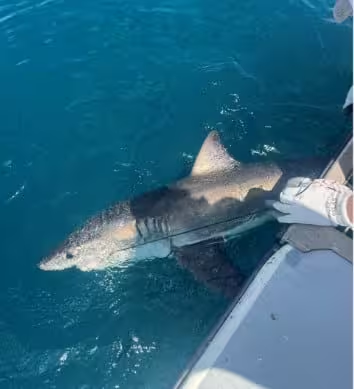
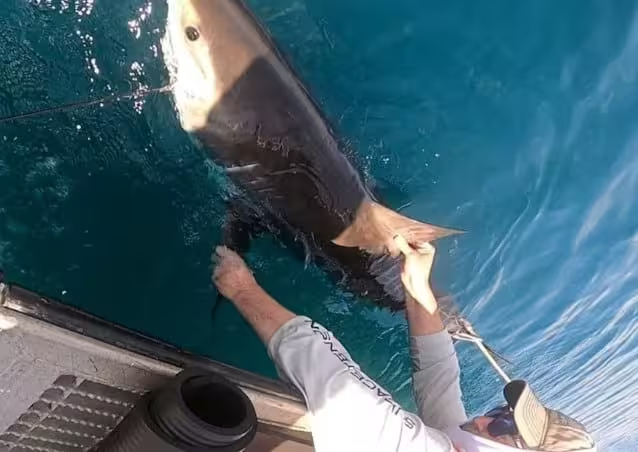
Tagging begins in early May when migratory sharks approach the U.S. shoreline after a winter offshore. Researchers launch a vessel 30–40 miles out, deploy baited lines, and secure a sensor to the dorsal fin of each captured shark. The entire attachment process typically lasts under five minutes, minimizing stress and mirroring the efficiency of a pit‑crew in a race.
The devices are engineered to detach naturally as biodegradable components break down, ensuring the tags do not linger indefinitely. After release, each animal’s health is assessed, because stressed sharks can alter their behavior and skew the data stream.
Caroline Wiernicki, a doctoral candidate on the project, described the experience as far less cinematic than popular myth suggests. “They are reliable workers, collecting ocean measurements and then returning to their normal routines,” she said.
By feeding high‑resolution mixed‑layer data into existing climate and ocean models, scientists hope to sharpen predictions of how storms will evolve as they approach the U.S. East Coast—from North Carolina up to Massachusetts. Detailed temperature and salinity profiles could clarify the thermal environment that underpins rapid intensification, giving communities more lead time to prepare.
The initiative also reshapes public perception of sharks, positioning them not just as feared predators but as valuable contributors to climate science. “These are amazing animals perfectly adapted to the ocean,” Carlisle added, emphasizing the broader insight that marine life can provide into the dynamics of extreme weather.
SHARKS & HURRICANES
: Research shows that sharks can sense incoming tropical systems and know to flee to deeper waters to escape the storm. But how? We talked to shark expert Dr. Bob Hueter at OCEARCH about how these ancient animals know when dangerous weather is coming.… pic.twitter.com/hlranqKcyV
Iyer, Divya. “Sharks Become Mobile Ocean Sensors to Boost Hurricane Forecasts.” BioScience. BioScience ISSN 2521-5760, 10 August 2026. <https://www.bioscience.com.pk/en/subject/marine-science/scientists-are-turning-sharks-into-ocean-trackers-to-find-out-how-strong-the-next-hurricanes-could-become>.
Iyer, D. (2026, August 10). “Sharks Become Mobile Ocean Sensors to Boost Hurricane Forecasts.” BioScience. ISSN 2521-5760. Retrieved August 10, 2026 from https://www.bioscience.com.pk/en/subject/marine-science/scientists-are-turning-sharks-into-ocean-trackers-to-find-out-how-strong-the-next-hurricanes-could-become
Iyer, Divya. “Sharks Become Mobile Ocean Sensors to Boost Hurricane Forecasts.” BioScience. ISSN 2521-5760. https://www.bioscience.com.pk/en/subject/marine-science/scientists-are-turning-sharks-into-ocean-trackers-to-find-out-how-strong-the-next-hurricanes-could-become (accessed August 10, 2026).