Rural Diabetes Patients Face Alarming Complications and Storage Hurdles
A new study in Uganda reveals striking rural-urban disparities in diabetes care, medication storage, and long-term health complications.
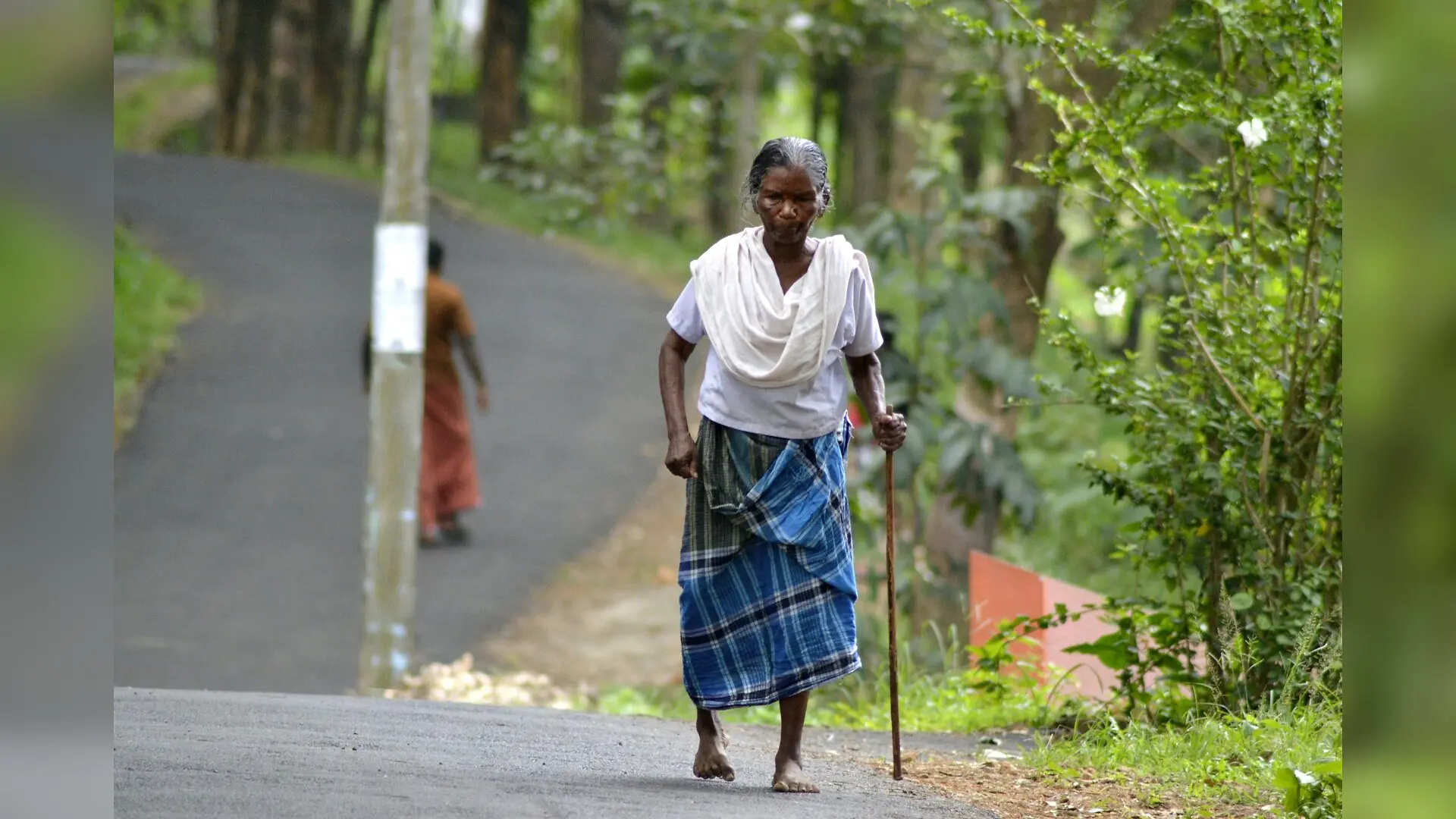
Rural diabetes patients in Uganda face a startling burden of complications and storage challenges, according to a cross-sectional study of 137 adults.
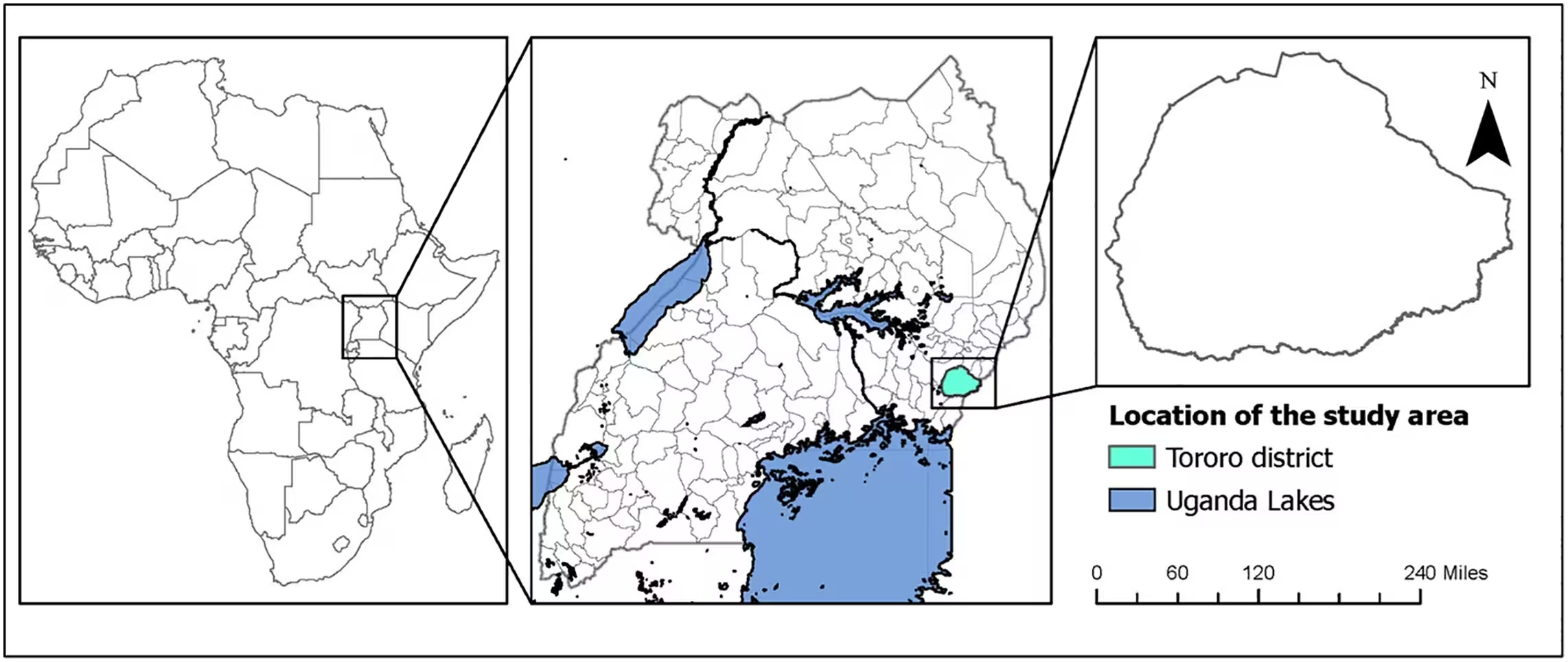
Managing diabetes requires a delicate balance of daily medication, careful meal planning, and regular blood sugar testing. In many resource-limited settings, however, achieving that balance is complicated by stark geographical divides. Researchers set out to explore how people living with diabetes navigate these hurdles, comparing the experiences of residents in rural and urban areas of Tororo District, Uganda. The study, published in PLOS One on November 20, 2026, reveals significant disparities in health outcomes, education, and access to proper equipment.
Striking Rural Disparities in Diabetes Complications
The research team surveyed 92 rural and 45 urban participants with an average age of 51 years to evaluate their daily management routines, knowledge gaps, and obstacles. A striking finding emerged regarding long-term physical complications. Nearly 78 percent of rural respondents reported experiencing feet and leg problems, compared to about 53 percent of urban participants. Rural residents also reported higher rates of dental issues and sexual health challenges than their urban counterparts.
Furthermore, rural patients experienced a heavier burden of severe health crises, with nearly 70 percent reporting prior hospitalizations due to diabetes, averaging three hospital visits since diagnosis. Urban participants reported a lower rate of past hospitalizations, averaging two visits. The authors point out that reduced access to specialized care, lower health literacy, and delayed medical attention in remote areas likely contribute to these widening health gaps.
The Hidden Obstacles of Insulin Storage and Daily Care
Proper insulin management is essential for controlling blood sugar levels, but maintaining the medication without reliable refrigeration creates severe hurdles. While urban participants were significantly more likely to store their opened insulin in refrigerators, rural residents frequently relied on traditional methods such as clay pots and wooden boxes. Although some traditional storage techniques keep vials cool, they carry an elevated risk of water contamination and bacterial infection.
Financial constraints also heavily dictated daily routines. About 40 percent of rural respondents cited financial limits as a major barrier to following a recommended meal plan, compared to roughly 18 percent of urban participants. Access to diagnostic tools remained scarce across the board, with only 28.5 percent of all participants owning a personal glucometer to test their blood glucose at home.
Limitations and Future Research Directions
The authors note several limitations to their findings, primarily that the data relied on self-reported surveys rather than clinical measurements such as HbA1c blood tests. Additionally, because participants were recruited from healthcare facilities, the results reflect the experiences of individuals actively seeking care rather than undiagnosed community members. Future investigations should incorporate objective clinical metrics to better understand the true scope of glycemic control in underserved regions.
The research was published in PLOS One on November 20, 2026.
This article has been fact checked for accuracy, with information verified against reputable sources. Learn more about us and our editorial process.
Last reviewed on .
Article history
- Latest version
Reference(s)
- Onyuth, Howard., et al. “A descriptive study of diabetes management practices among persons with diabetes in rural and urban Tororo District, Uganda.” PLOS One, vol. 21, no. 11, November 20, 2026, pp. e0359139 Public Library of Science (PLoS), doi: 10.1371/journal.pone.0359139. <https://doi.org/10.1371/journal.pone.0359139>.
Cite this page:
- Posted by Susan White