Surprising Study Reveals Public and Caregiver Views on Workplace Support
Researchers in the Netherlands discover that taxpayers and working caregivers share nearly identical preferences for state support policies.

About 45 percent of Europeans provide unpaid care to relatives, friends, or neighbors, but balancing these responsibilities with a job often leads to high stress and burnout.
To understand what kind of governmental help is actually desired, researchers in the Netherlands investigated how working caregivers and the general public weigh different support options. The findings are published in PLOS One, shedding light on the policies needed to sustain an aging society.
How the Study Was Conducted
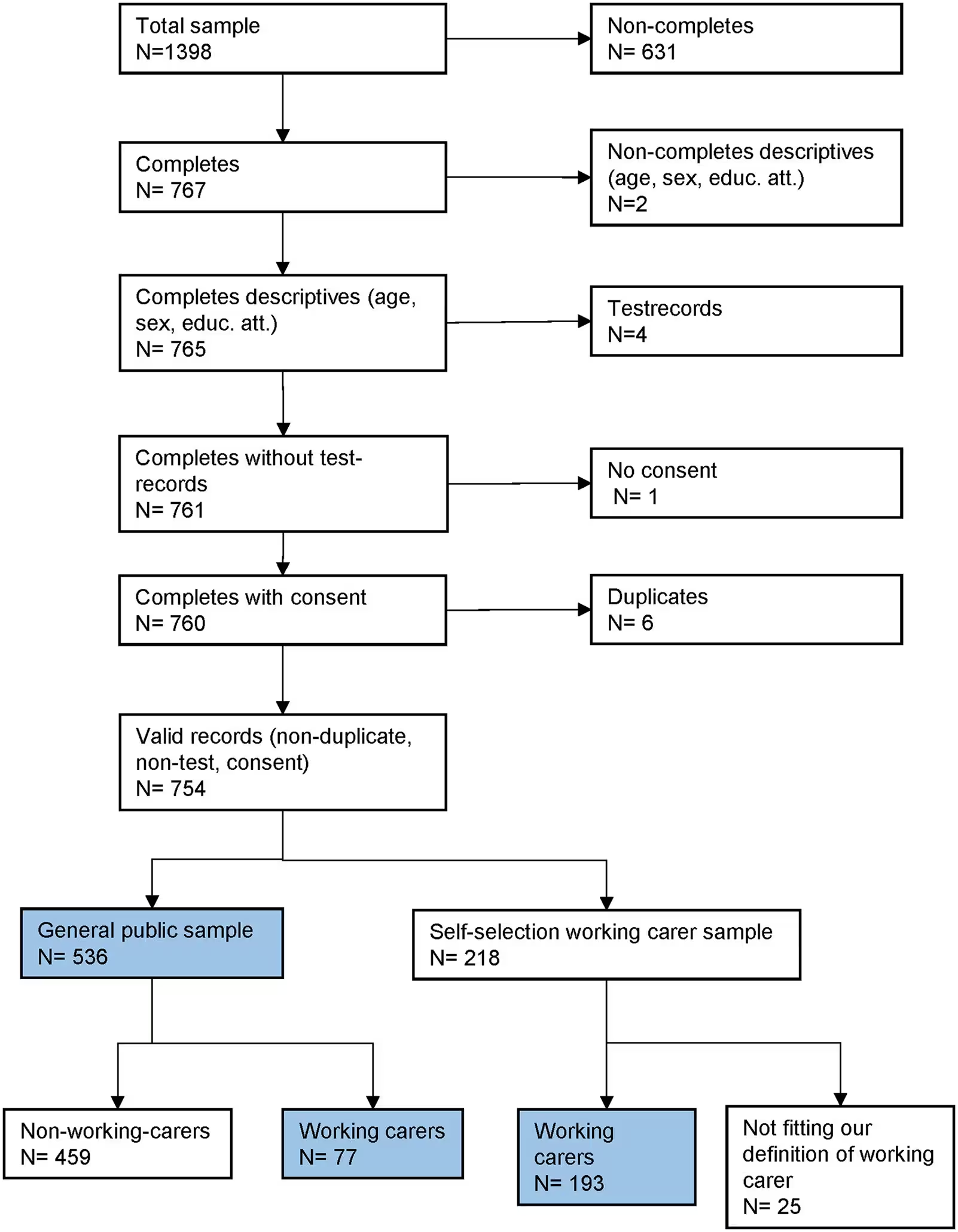
Led by a team of Dutch researchers, the study utilized a discrete choice experiment, a method where participants must choose between different packages of policies described by specific attributes and costs. A total of 536 members of the general public and 193 self-selected working caregivers completed the online questionnaire between late 2021 and early 2022.
The researchers tested six specific attributes for supporting working caregivers, including additional paid leave, types of mental support, maximum financial compensation of expenses, relief from caregiving duties in hours per week, target groups based on care hours, and the total national budget required. By analyzing these choices, the authors could determine which policy elements matter most to everyday people and those directly affected.
Key Findings on Public and Caregiver Preferences
The results reveal a striking alignment between what working caregivers want and what the general public is willing to support through taxes and premiums. The average respondent favored cheaper portfolios that included six additional days of paid informal care leave per year, some form of mental support, maximum financial compensation for expenses, two hours of relief from care duties per week, and a target group covering anyone providing more than four hours of care weekly.
Additional paid leave emerged as a defining attribute for participants when evaluating different policy packages. Furthermore, self-selected working caregivers showed a notably stronger preference for individual coaching or psychological support compared to general support groups.
Why Preference Diversity Complicates Policymaking
Despite the broad agreement between caregivers and non-caregivers, a latent class analysis revealed significant preference heterogeneity across the population. The researchers identified three distinct clusters of opinion, namely a broad support group, a budgetary-conscious group, and a no-support group that felt none of the options were worth funding.
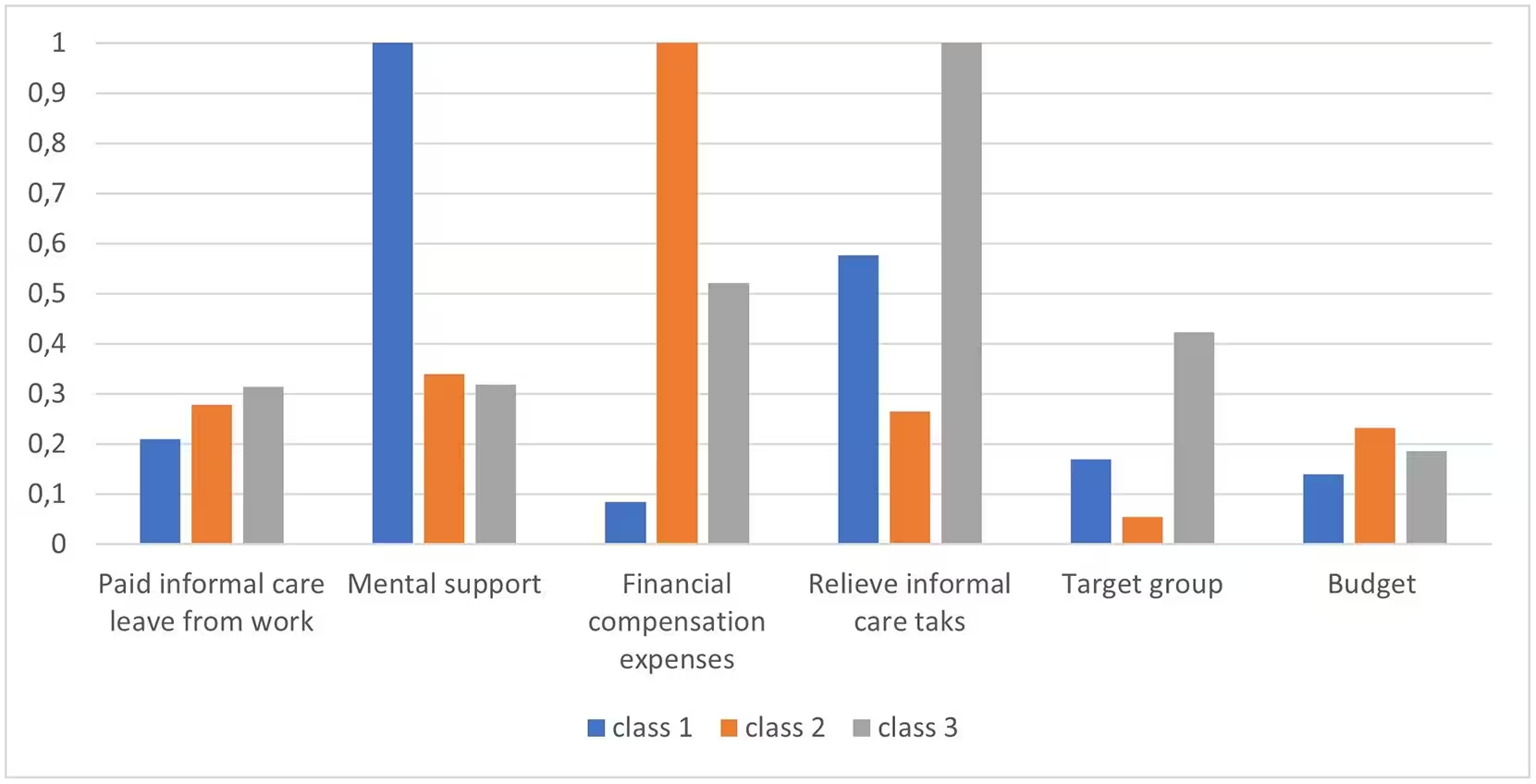
This division suggests that societal debates about whether caregiving is a personal choice or a societal responsibility heavily influence public backing. Open-ended comments from participants also highlighted practical concerns, such as the administrative burden of proving care hours and worries that funding might be better directed toward professional healthcare systems.
Limitations and Future Directions
The authors noted several limitations, including a high dropout rate of 45 percent and potential selection bias since participants often had a personal affinity for the topic. In addition, the self-selected caregiver sample experienced higher burdens than average working caregivers in the general public sample, meaning results should be interpreted with some caution.
Nevertheless, the study suggests that policymakers do not need to actively balance conflicting interests between beneficiaries and payers, because public preferences closely mirror those of working carers. To build broader consensus, the authors recommend creating flexible policy menus and involving citizens directly in designing support programs.
The research was published in PLOS One on November 20, 2026.
This article has been fact checked for accuracy, with information verified against reputable sources. Learn more about us and our editorial process.
Last reviewed on .
Article history
- Latest version
Reference(s)
- Rotteveel, Adriënne H.., et al. “Preferences for policies to support working carers: A discrete choice experiment in the Netherlands.” PLOS One, vol. 21, no. 11, November 20, 2026, pp. e0361331 Public Library of Science (PLoS), doi: 10.1371/journal.pone.0361331. <https://doi.org/10.1371/journal.pone.0361331>.
Cite this page:
- Posted by Sana Malik