Why Hip Fracture Patients in South Africa Face Weeks of Waiting Before Surgery
New qualitative research reveals the intricate web of transport barriers, hospital delays, and surgical triage challenges impacting older adults.

When a broken hip lands an older adult in a South African public hospital, they face an average wait of nearly three weeks before undergoing corrective surgery, according to recent qualitative data highlighting deep systemic hurdles. This extended delay exposes patients to prolonged pain, severe medical complications, and psychological distress within a healthcare environment constrained by limited resources.
What Pushes Patients to Seek Medical Care After a Fall
Investigators set out to understand the complex journey from injury to the operating room by conducting in-depth interviews with 38 hip fracture patients, 34 informal caregivers, and 40 healthcare professionals across five public hospitals in Gauteng Province. The qualitative study, published in PLOS Global Public Health, analyzed patient pathways using a specialized framework tracking illness behavior and health system interactions. Many patients initially dismissed their symptoms as mere muscle strains or minor bruises, opting for home remedies and over-the-counter pain relievers until the sheer intensity of pain made it impossible to walk.
Social dynamics played a major role in whether individuals sought timely assistance. While supportive family members frequently encouraged elderly relatives to visit a hospital and helped alleviate their fears, cultural stigmas also surfaced. Several male participants admitted they were initially reluctant to seek care because they associated asking for help with weakness or severe illness.
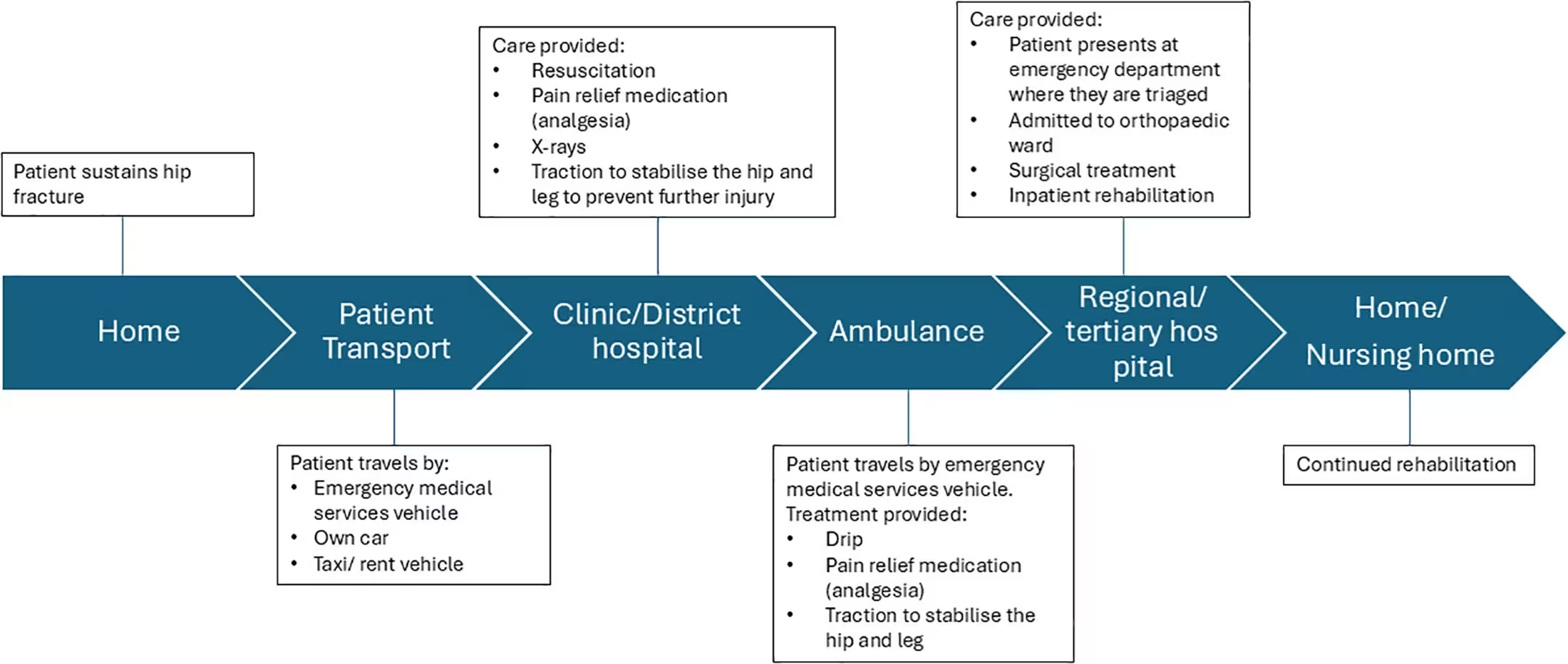
The Logistical Nightmare of Reaching a Hospital
Once a decision was made to seek professional help, patients encountered major transportation roadblocks. Public ambulance services were frequently unavailable due to severe vehicle shortages, long geographic distances, and safety concerns that occasionally forced paramedics to request police escorts in volatile neighborhoods. Emergency dispatch priority systems also tended to favor high-impact trauma cases, such as road traffic accidents, leaving older adults with low-impact fragility fractures stranded.
To bypass these delays, many families had to rely on private transport, borrowing money or hiring local taxi drivers who graciously agreed to defer payment until government social pensions were disbursed. Upon arriving at smaller district hospitals, patients often hit another wall. These local facilities frequently lacked basic diagnostic equipment, such as functional X-ray machines, and specialized orthopaedic surgeons, forcing complicated transfers to regional or tertiary medical centers.
Why Surgical Scheduling Crumbles Under Heavy Caseloads
Even after patients successfully secured a bed at a major treating hospital, the road to the operating room remained fraught with setbacks. Surgeries were frequently postponed at the last minute because operating theaters were overwhelmed with urgent trauma cases or because essential medical implants were out of stock and had to be specially ordered. Patients described the distress of being repeatedly placed on a nil-by-mouth schedule for impending procedures, only to have their operations canceled late in the day.
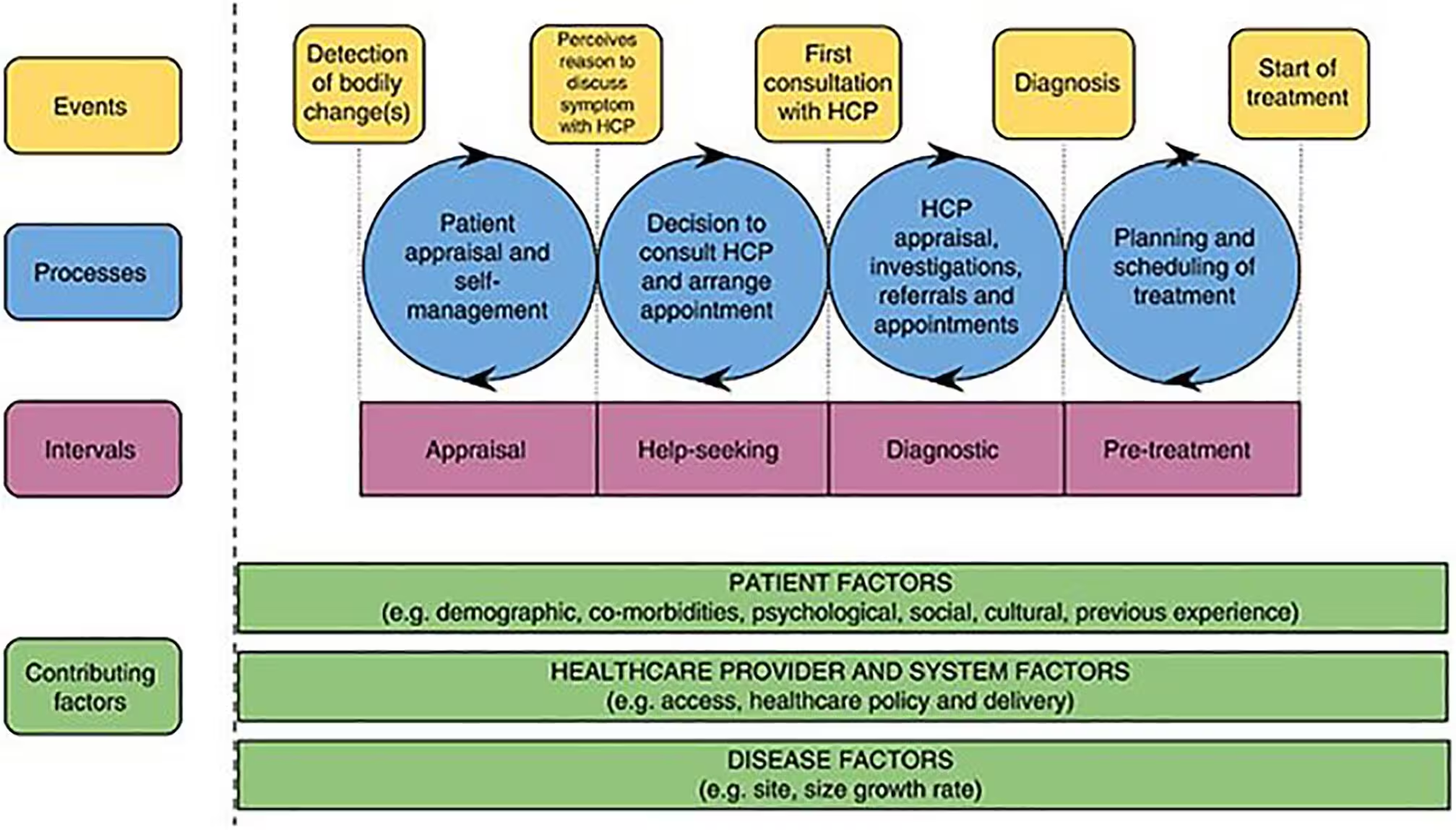
These prolonged pre-operative waits frequently triggered secondary medical issues, including pressure ulcers, dehydration, and malnutrition. Healthcare workers voiced deep frustration over these structural bottlenecks, noting that high patient volumes and competing surgical priorities severely restricted their capacity to deliver timely care in line with international recommendations.
Practical Steps Forward for Public Health Systems
Based on their qualitative findings, the research team compiled a comprehensive set of short-, medium-, and long-term recommendations. Immediate priorities include reclassifying hip fractures as true surgical emergencies within emergency vehicle dispatch protocols, streamlining administrative paperwork at hospital admissions, and establishing clear guidelines to minimize unnecessary fasting periods for waiting patients. Over the longer term, the authors emphasize the urgent need to expand dedicated orthopaedic surgical capacity and imaging infrastructure across regional and district public healthcare facilities.
The research was published in PLOS Global Public Health on November 20, 2026.
This article has been fact checked for accuracy, with information verified against reputable sources. Learn more about us and our editorial process.
Last reviewed on .
Article history
- Latest version
Reference(s)
- Drew, Sarah., et al. “Understanding factors that influence time to surgery for hip fractures in South Africa: A qualitative study using the Model of Pathways to Treatment.” PLOS Global Public Health, vol. 6, no. 11, November 20, 2026, pp. e0007215 Public Library of Science (PLoS), doi: 10.1371/journal.pgph.0007215. <https://doi.org/10.1371/journal.pgph.0007215>.
Cite this page:
- Posted by Tariq Hassan