School Hygiene Programs Boost Knowledge and Facilities But Fail to Change Student Habits
A major trial across 200 schools reveals that education and upgraded maintenance improve awareness and infrastructure, yet leave daily handwashing and toilet use unchanged.
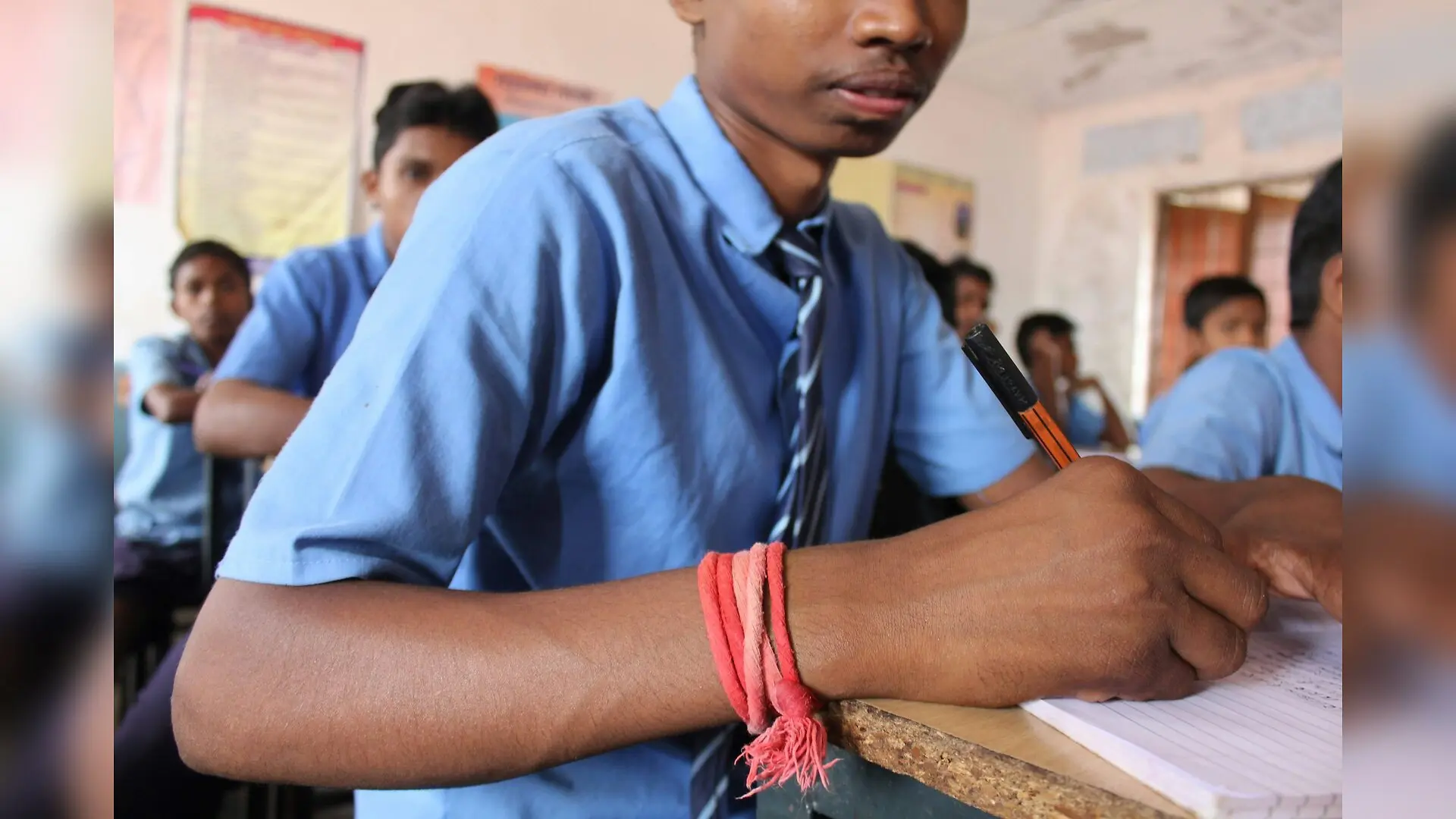
A large-scale study of 200 primary schools in Uttar Pradesh, India, reveals that providing children with interactive health education and clean, working bathrooms successfully boosts their knowledge and facility conditions, but fails to change their daily handwashing and toilet use habits.
Improving water, sanitation, and hygiene in schools, often called WinS, is a global priority aimed at reducing student illness and missed school days. However, rigorous trials testing these programs have frequently reported mixed results regarding actual health and behavioral outcomes. To unpack why, researchers designed a prospective four-arm cluster-randomized controlled trial across 200 public primary schools, assessing the individual and combined impacts of a play-based hygiene curriculum and a dedicated third-party operation and maintenance service. The study is published in PLOS Global Public Health.
How Education and Maintenance Altered School Conditions
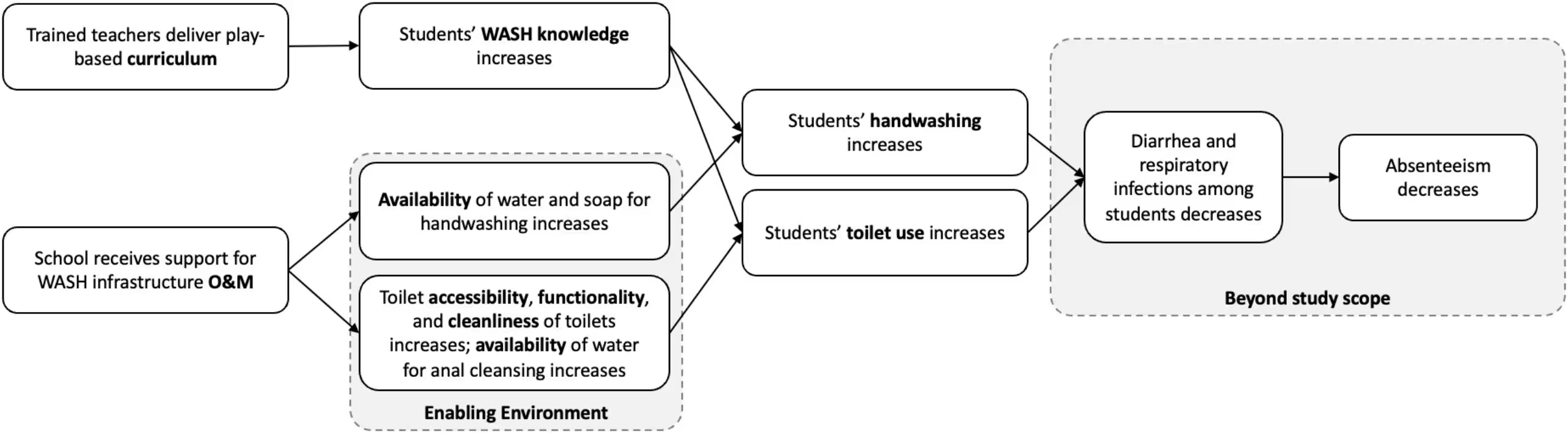
The research team evaluated two distinct interventions to see which bottlenecks prevented healthy habits. The educational component consisted of a 12-session, play-based curriculum delivered by teachers to students in grades one and four, utilizing games, storybooks, and videos. The infrastructure maintenance intervention introduced part-time cleaners called Swachhata Saathis, or cleanliness buddies, who maintained water points, kept toilets clean, ensured water availability, and reported maintenance issues. Prior to the study, contracted technicians repaired handpumps, installed water storage tanks, unclogged drains, and replaced broken squatting pans to ensure baseline parity across all participating schools.
Following the interventions, students in the curriculum-only and combined arms showed dramatic improvements in knowledge. Children who received the curriculum were nearly twice as likely to identify handwashing before eating as critical, and up to 10 times more likely to demonstrate accurate germ knowledge compared to control groups. Meanwhile, the maintenance service yielded large, sustained improvements in physical infrastructure. Toilets in maintenance-supported schools were two to four times more likely to be unlocked, scored significantly higher on cleanliness, and showed vastly superior functionality and water availability.
The Unexpected Gap Between Knowledge and Daily Habits
Despite significant gains in student awareness and pristine facility conditions, neither intervention, nor the combination of both, produced a measurable change in observed student handwashing or toilet usage rates. Baseline rates for toilet use and handwashing remained low and did not shift significantly throughout the study period. The authors noted that soap availability remained exceptionally rare across most schools despite administrative commitments, though additional sensitivity checks indicated that handwashing rates did not rise even when soap was present.
The findings challenge long-held assumptions in public health that improving facility access and educational awareness will automatically translate into student habit formation. The authors suggest that behavioral change in school environments is far more complex than previously thought, requiring insights from social psychology and a deeper understanding of peer norms rather than relying solely on cognitive educational models.
The research was published in PLOS Global Public Health on November 20, 2026.
This article has been fact checked for accuracy, with information verified against reputable sources. Learn more about us and our editorial process.
Last reviewed on .
Article history
- Latest version
Reference(s)
- Hornsby, Gracie., et al. “School WASH education and infrastructure maintenance improve student knowledge and facilities but are insufficient for behavior change.” PLOS Global Public Health, vol. 6, no. 11, November 20, 2026, pp. e0007635 Public Library of Science (PLoS), doi: 10.1371/journal.pgph.0007635. <https://doi.org/10.1371/journal.pgph.0007635>.
Cite this page:
- Posted by David Anderson