Plant-Pathogenic Fungus Outperforms Classic Wood Decayers in Industrial Dye Breakdown
An unconventional ascomycete species achieves rapid Azure B decolorization despite lacking traditional high-titer laccase activity.
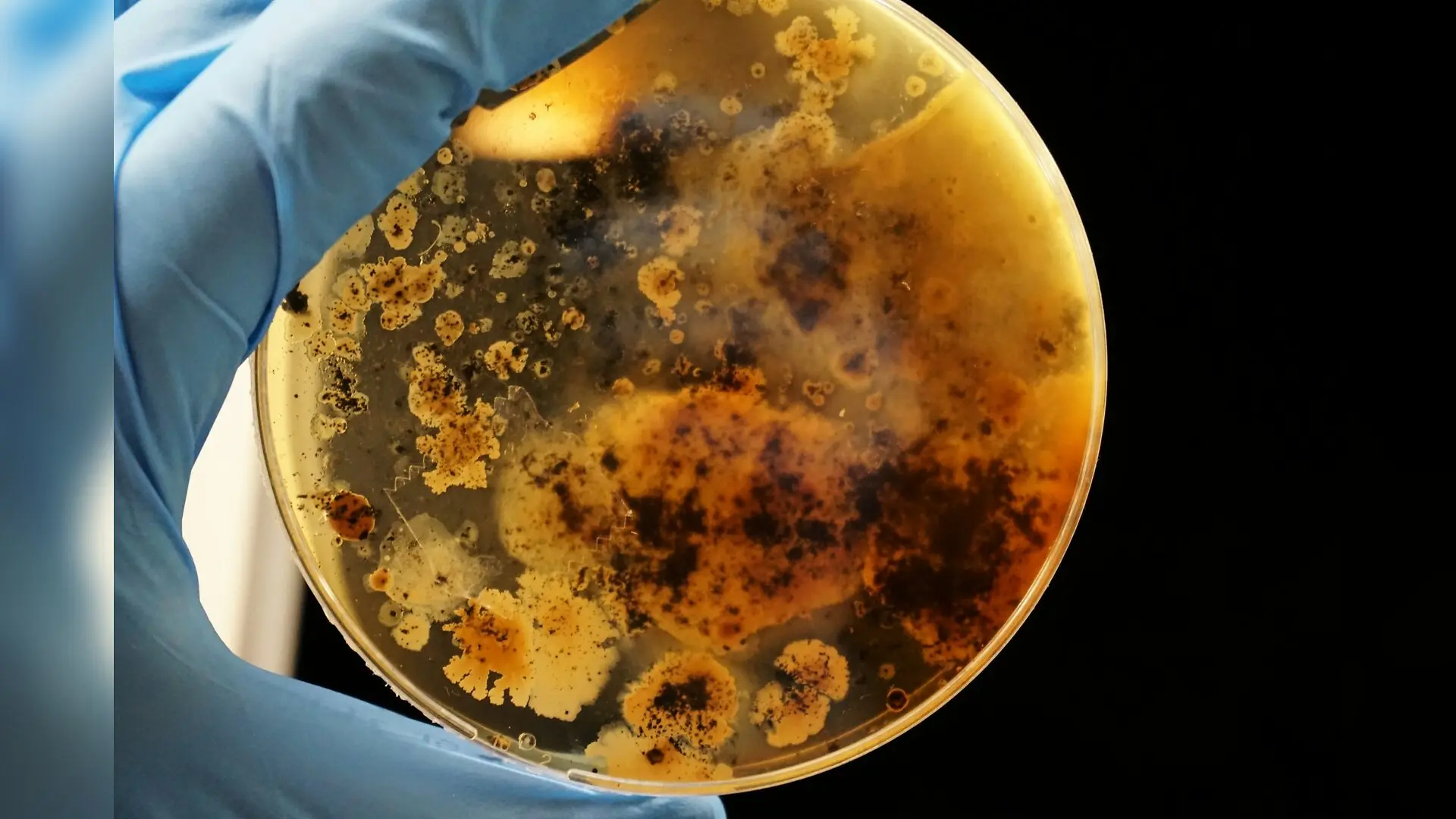
A plant-pathogenic fungus usually known for causing trunk disease has surprised researchers by outperforming classic wood-decaying species in breaking down recalcitrant industrial dyes. In a systematic screening of ten diverse fungal strains led by Antea Dulaj and Lara Schön at Johannes Gutenberg University Mainz, the ascomycete Diplodia corticola nearly eliminated Azure B dye within eight days in liquid culture.
The work, published in Fungal biology and biotechnology, highlights how unconventional microbes could provide powerful tools for environmental biotechnology and wastewater treatment without relying on standard white-rot laboratory models.
Why Do Filamentous Fungi Matter for Green Biotechnology?
Filamentous fungi are nature’s recycling agents, using thread-like structures called hyphae to secrete extracellular enzymes that break down tough plant polymers like lignin and cellulose. These natural biochemical toolkits make fungi promising cell factories for converting renewable plant waste into useful industrial products, cleaning up toxic textile dyes, and detoxifying industrial wastewater.
While white-rot basidiomycetes are the traditional benchmark organisms for this kind of oxidative chemistry, they often grow slowly and pose genetic challenges. Exploring fast-growing ascomycetes offers an alternative route to discovering robust enzymes that can transform stubborn aromatic compounds.
How Did the Researchers Screen Ten Distinct Fungal Isolates?
The team tested ten fungal isolates gathered from strain collections and rotten wood samples in Mainz, Germany, combining solid-plate assays with 28-day submerged liquid fermentations. They tracked how effectively each strain oxidized color indicators including ABTS, Poly R-478, and Azure B, while also measuring growth-normalized enzyme activity and final mycelial dry weight.
To understand the genetic basis behind the surprising dye-degrading powers, the researchers compared carbohydrate-active enzyme annotations across genomes. They focused particularly on auxiliary activity families, which include copper-containing oxidases, peroxidases, and lytic polysaccharide monooxygenases that assist in breaking down complex biopolymers.
What Did the Genomic Analysis Reveal About Diplodia Corticola?
Although Diplodia corticola achieved near-complete Azure B decolorization, it showed minimal canonical laccase activity and only modest peroxidase levels during standard submerged cultivation. Genomic comparisons explained this puzzle by revealing that Diplodia corticola encodes expanded repertoires of alternative auxiliary enzymes, including twenty-eight genes for gluco-oligosaccharide oxidases and unique copper-dependent lytic polysaccharide monooxygenases.
These specialized enzymes, alongside vanillyl alcohol oxidases that generate hydrogen peroxide as a by-product, likely drive alternative oxidative pathways rather than relying on a single dominant enzyme class. The results suggest that effective dye breakdown depends on cooperative enzyme networks shaped by strain-specific regulation rather than biomass accumulation or traditional oxidase titers alone.
The research was published in Fungal biology and biotechnology on November 19, 2026.
This article has been fact checked for accuracy, with information verified against reputable sources. Learn more about us and our editorial process.
Last reviewed on .
Article history
- Latest version
Reference(s)
- Dulaj, Antea., et al. “Functional screening reveals oxidative phenotypes beyond the classical ligninolytic paradigm.” Fungal Biology and Biotechnology, vol. 13, no. 1, November 19, 2026 Springer Science and Business Media LLC, doi: 10.1186/s40694-026-00225-z. <https://doi.org/10.1186/s40694-026-00225-z>.
Cite this page:
- Posted by Rohan Kumar