New Metal Oxide Biosensor Detects Tyrosine Levels for Metabolic Disease Monitoring
Researchers developed a low-cost copper ferrite and enzyme electrode that measures tyrosine with high selectivity and stability.
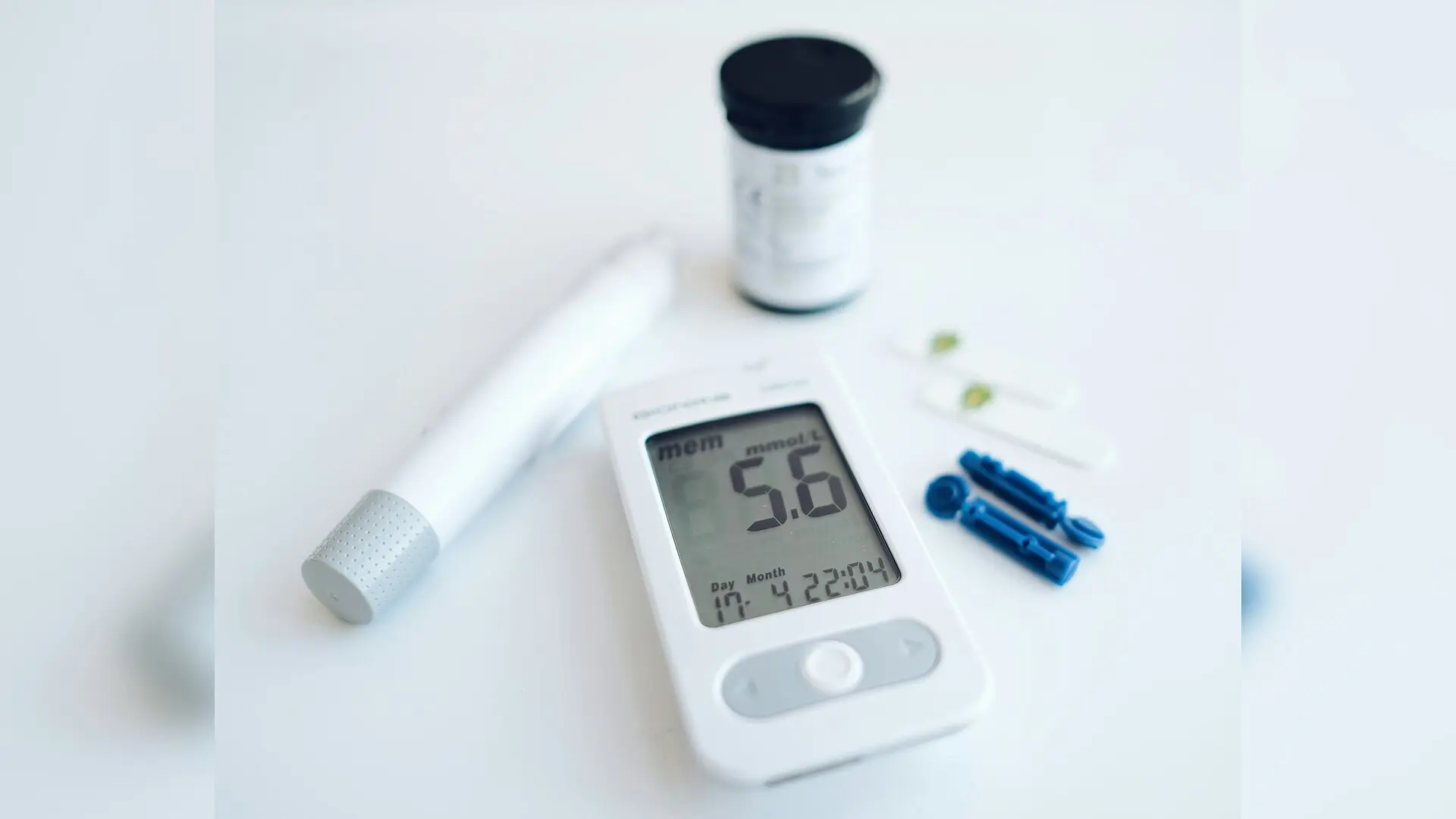
A new low-cost biosensor engineered to detect abnormal levels of the amino acid tyrosine could significantly improve the rapid clinical monitoring of inherited metabolic disorders like tyrosinemia. Tyrosine acts as a vital precursor for important biomolecules such as thyroid hormones and melanin, but elevated concentrations in biological fluids can trigger severe liver dysfunction, kidney complications, and neurological abnormalities. To address the need for simple and affordable diagnostic tools, researchers designed an enzyme-based electrochemical sensor using copper ferrite nanoparticles combined with the enzyme tyrosinase on a disposable carbon electrode. The complete study is published in RSC Advances, detailing how this spinel metal oxide composite facilitates rapid charge transfer and provides a stable surface for enzyme immobilization.
How Do Spinel Metal Oxides Improve Biosensor Performance?
Traditional electrochemical sensors often rely on expensive carbon nanomaterials or noble metals like gold, which can limit their practical use in resource-limited clinical settings. To overcome these financial and technical barriers, researchers utilized copper ferrite, a spinel-type metal oxide known for its high surface area, strong affinity for biomolecules, and robust mechanical stability. The presence of multiple oxidation states for both copper and iron within the crystal lattice enhances redox activity and promotes efficient electron transfer during electrochemical reactions. Structural analysis confirmed that the synthesized copper ferrite nanoparticles possessed a well-defined cubic spinel structure with an average crystallite size of 16 nanometers.
The team fabricated the sensing platform by drop-casting a copper ferrite dispersion onto a commercial screen-printed carbon electrode, followed by the immobilization of tyrosinase. Tyrosinase is a copper-containing enzyme that selectively catalyzes the conversion of phenolic compounds like tyrosine into o-quinones, which then undergo electrochemical reduction at the electrode interface to generate a measurable current signal. Optimization experiments revealed that a three-microliter volume of the copper ferrite nanomaterial provided the ideal balance between active-site availability and film thickness, as excessive material layers hindered electron diffusion.
What Are the Analytical Limits and Selectivity of the Device?
Using differential pulse voltammetry, the research team evaluated the analytical performance of the modified electrode across various tyrosine concentrations. The sensor displayed a proportional linear response ranging from 10 to 150 micromolars, achieving a detection limit of 8.5 micromolars and a sensitivity of 0.48 microamps per microampere square centimeter. This linear range covers important physiological thresholds, allowing the device to measure concentrations effectively.
Selectivity tests demonstrated that the biosensor maintained strong resistance to interference from other biological molecules, such as phenylalanine, cysteine, uric acid, tryptophan, ascorbic acid, and glutathione, even when present at ten times the concentration of tyrosine. This high degree of selectivity stems from the strict substrate specificity of tyrosinase, coupled with the electrocatalytic properties of the copper ferrite matrix. Furthermore, the sensor retained approximately 90.5 percent of its initial current output after 20 days of storage, indicating good long-term stability and robust retention of enzymatic activity.
What Are the Current Limitations and Next Steps?
While the laboratory results demonstrate that copper ferrite and tyrosinase composites provide a viable, cost-effective alternative to noble-metal electrodes, several hurdles remain before point-of-care clinical adoption. The current linear detection range, while useful for lower concentrations, requires further expansion to detect extremely elevated pathological levels above 200 micromolars without requiring sample dilution steps. Future developments will focus on testing the sensor with real biological fluids, such as blood serum or urine, to validate its reliability and anti-fouling performance in complex physiological environments.
The research was published in RSC advances on November 19, 2026.
This article has been fact checked for accuracy, with information verified against reputable sources. Learn more about us and our editorial process.
Last reviewed on .
Article history
- Latest version
Reference(s)
- Sriram, Priyadharshini.., et al. “CuFe 2 O 4 spinel-based tyrosinase biointerface for electrochemical tyrosine detection.” RSC Advances, January 1, 2026 Royal Society of Chemistry (RSC), doi: 10.1039/d6ra10826a. <https://doi.org/10.1039/d6ra10826a>.
Cite this page:
- Posted by Robert Brown