Study Shows Positive Health Benefits Messaging Boosts Coastal Litter Pickups
Study finds personal benefits boost participation in environmental cleanups, suggesting self‑interest drives greener actions.
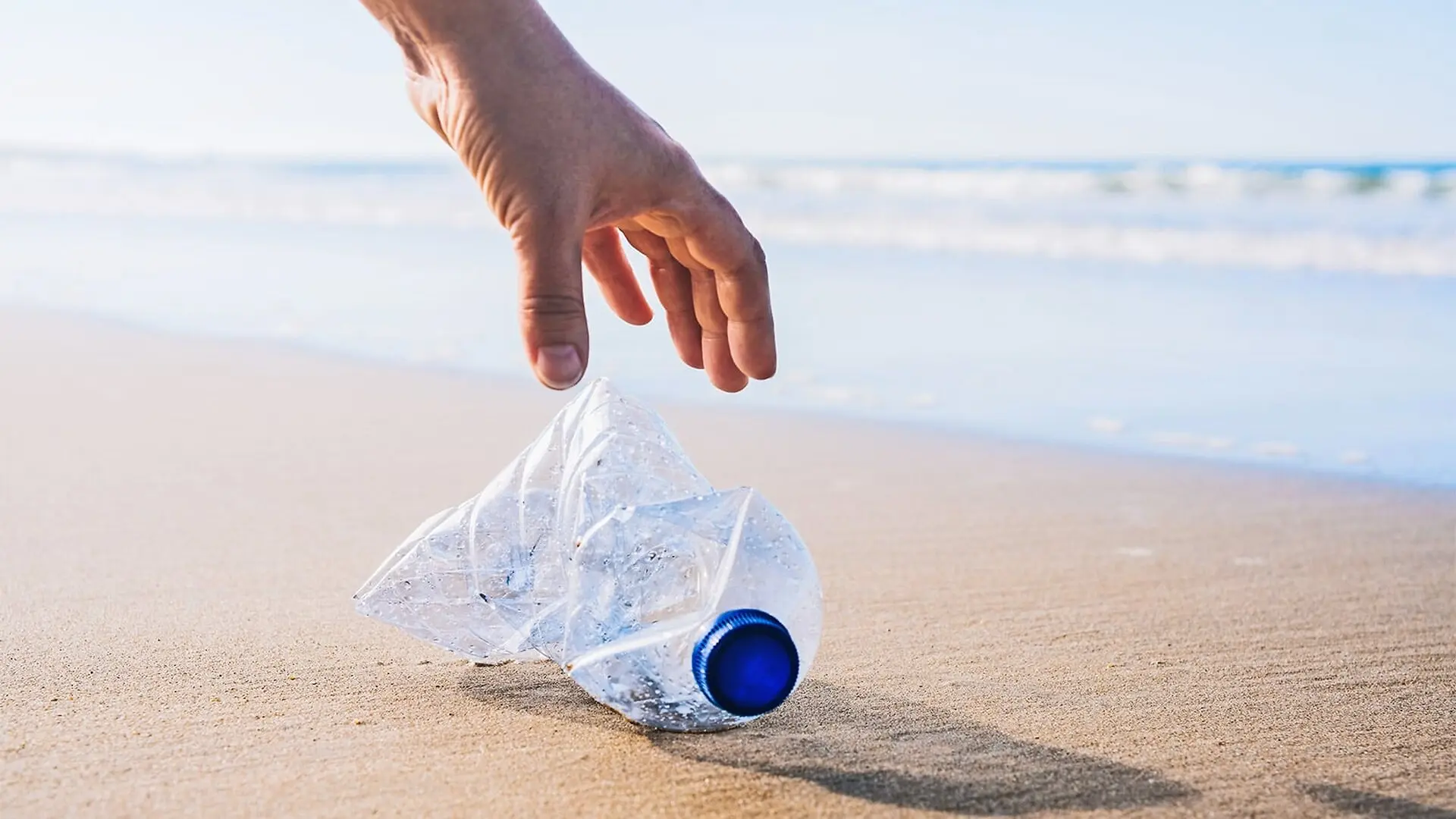
Positive framing drives greater involvement in coastal cleanups
New research indicates that people are more likely to take up community‑cleaning tasks when they perceive direct personal benefits, such as social connections or improved fitness.
The investigators surveyed over 1,000 adults living along the U.S. coastline, from Georgia to California, to explore how personal motivations influence willingness to pick up litter. Participants first completed a prompt—“If I pick up trash while being active outdoors, I am likely to…”—and responded with statements like “meet new people” or “feel more fit afterward.”
A second questionnaire examined current and future environmentally friendly actions, beliefs, and physical activity levels. Respondents evaluated their likelihood of engaging in litter collection when presented with messages emphasizing either environmental protection or personal health gains.
Across both surveys, messages that linked cleanup efforts to positive outcomes—especially enhanced physical fitness—resonated most strongly. When the language highlighted social, mental, and physical rewards rather than focusing solely on the hazards of marine debris, participants reported a higher intention to join future cleanup activities.
For respondents who already engage in moderate‑to‑vigorous exercise, the prospect of combining physical activity with trash collection was especially appealing. Many viewed the bending, lifting, and reaching involved in cleanup as a form of functional fitness that could augment their workouts or aid weight loss.
“Picking up litter can have immediate physical health benefits because you’re walking, bending, reaching, and using fine motor control. It’s a form of functional fitness,” noted Jennifer Gay, the study’s corresponding author and associate professor at the University of Georgia College of Public Health.
Less active participants also responded positively to the messaging, though their motivations differed. They emphasized community‑building aspects, such as meeting new people, feeling a sense of pride, and contributing to a cleaner, more aesthetically pleasing neighborhood.
“Being in nature or natural spaces without trash makes people feel less stressed and more connected to nature,” Gay added. “The absence of litter in your environment can build social cohesion and make people feel like they’re more part of a community.”
The researchers suggest that carefully crafted, positively framed outreach could curb litter before it reaches the ocean, especially in vulnerable coastal regions. By highlighting immediate personal gains, campaigns may inspire broader participation in cleanup events, thereby reducing the flow of debris into marine ecosystems.
This article has been fact checked for accuracy, with information verified against reputable sources. Learn more about us and our editorial process.
Last reviewed on .
Article history
- Latest version
Cite this page:
- Posted by Vikram Desai