Mysterious Dusty Objects Remain Intact Near Milky Way’s Supermassive Black Hole
A new study reveals what really occurs when an object skirts the Milky Way’s supermassive black hole, overturning long‑standing theories.
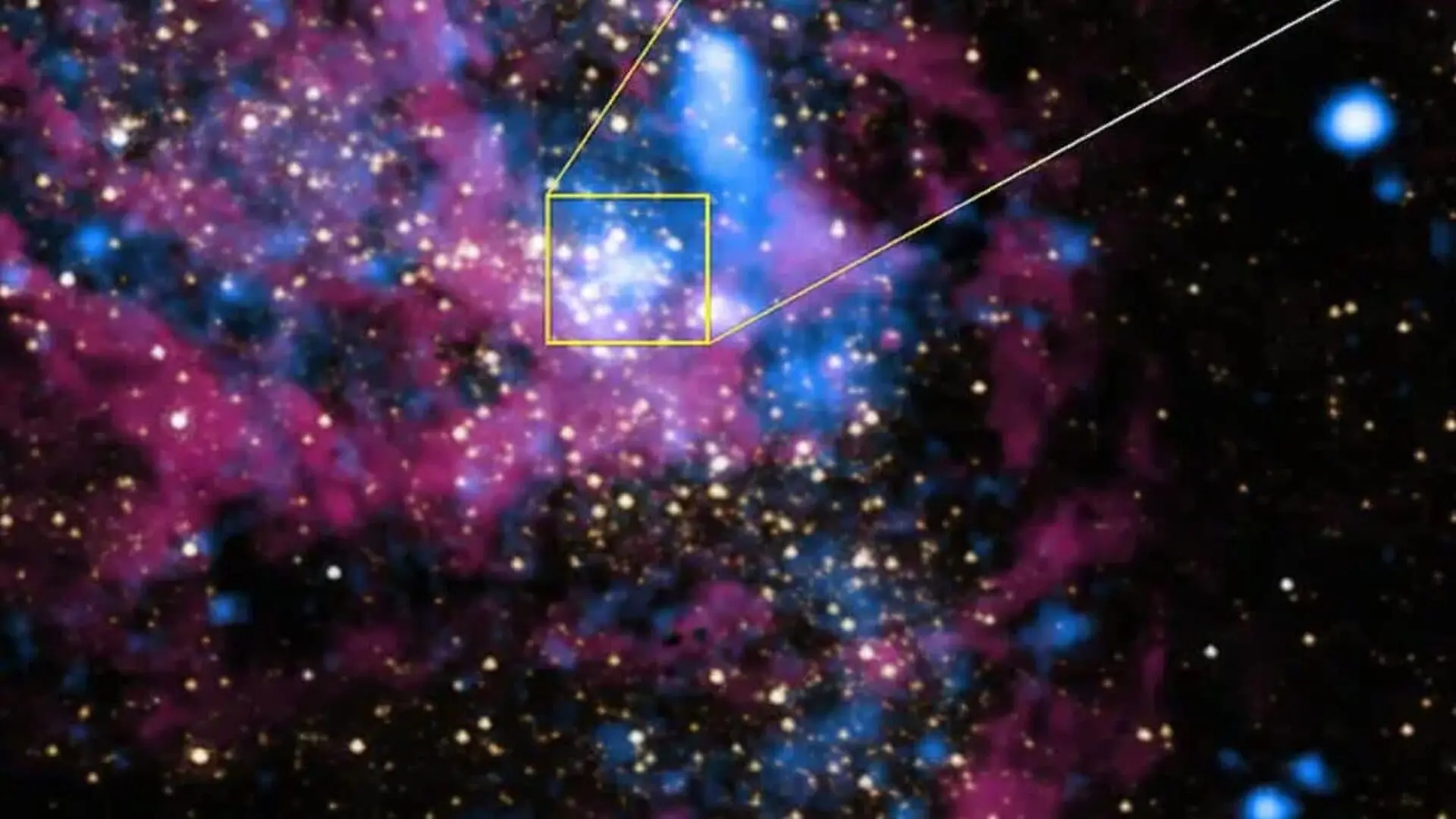
New infrared data show that several dusty bodies orbiting Sagittarius A*, the Milky Way’s central supermassive black hole, are persisting in a region where tidal forces were expected to shred them. The findings reshape expectations for the stability of material in the galaxy’s most extreme gravitational field.
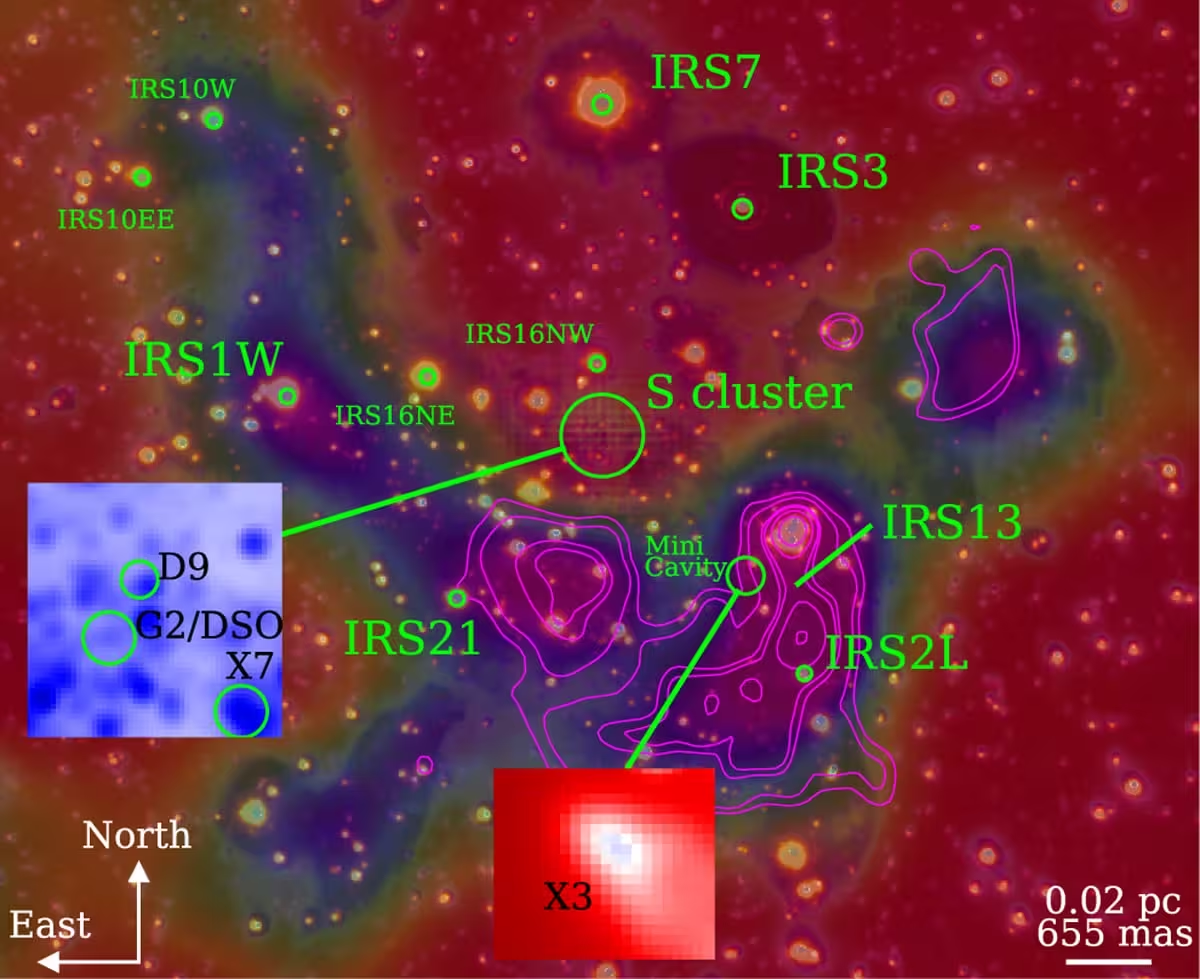
The observations were carried out with the Enhanced Resolution Imager and Spectrograph (ERIS) on ESO’s Very Large Telescope (VLT) in Chile, under the leadership of Dr. Florian Peißker at the University of Cologne. Results published in Astronomy & Astrophysics focus on four anomalous dusty objects that have drawn attention in recent years.
G2 Remains on a Stable Track
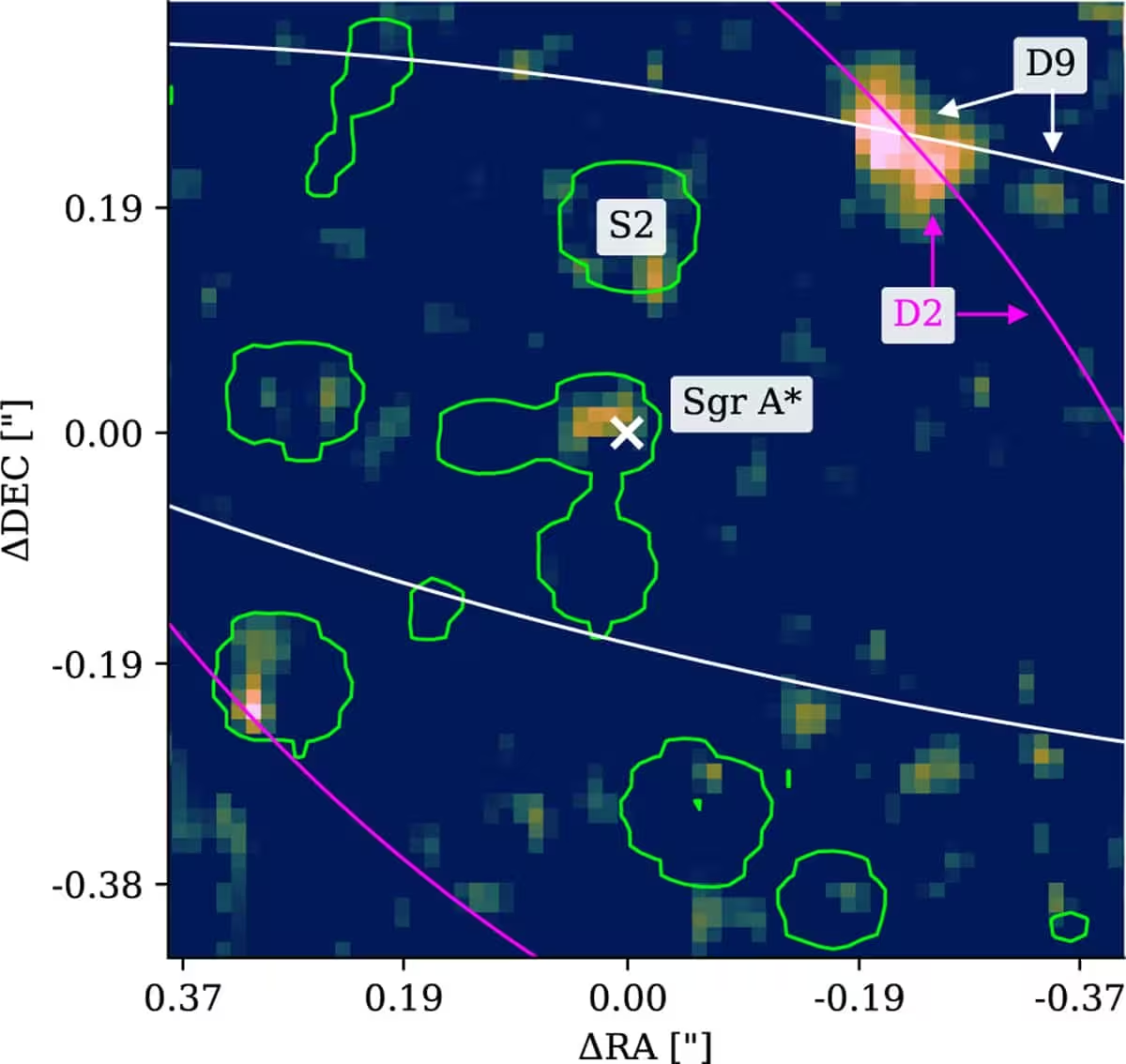
One of the best‑known sources, G2, was long thought to be a mere cloud of gas and dust destined for spaghettification as it approached Sagittarius A*. ERIS imaging, however, shows the object maintaining a consistent orbit without signs of elongation or breakup. The data imply that a hidden star may be embedded within the cloud, accounting for its unexpected endurance.
Peißker added that the observations suggest Sagittarius A* may be less destructive than earlier models assumed.
“This makes the center of our galaxy an ideal laboratory for studying the interactions between black holes and stars.”
Binary System D9 and Companion Objects Stay Intact
The team also examined three additional sources. The binary system D9, identified by Peißker’s group in 2024, represents the first known stellar pair orbiting so close to a supermassive black hole. Theoretical work had predicted that intense tidal forces would eventually merge the two stars, yet ERIS data reveal that the pair has remained unaltered throughout the monitoring period.
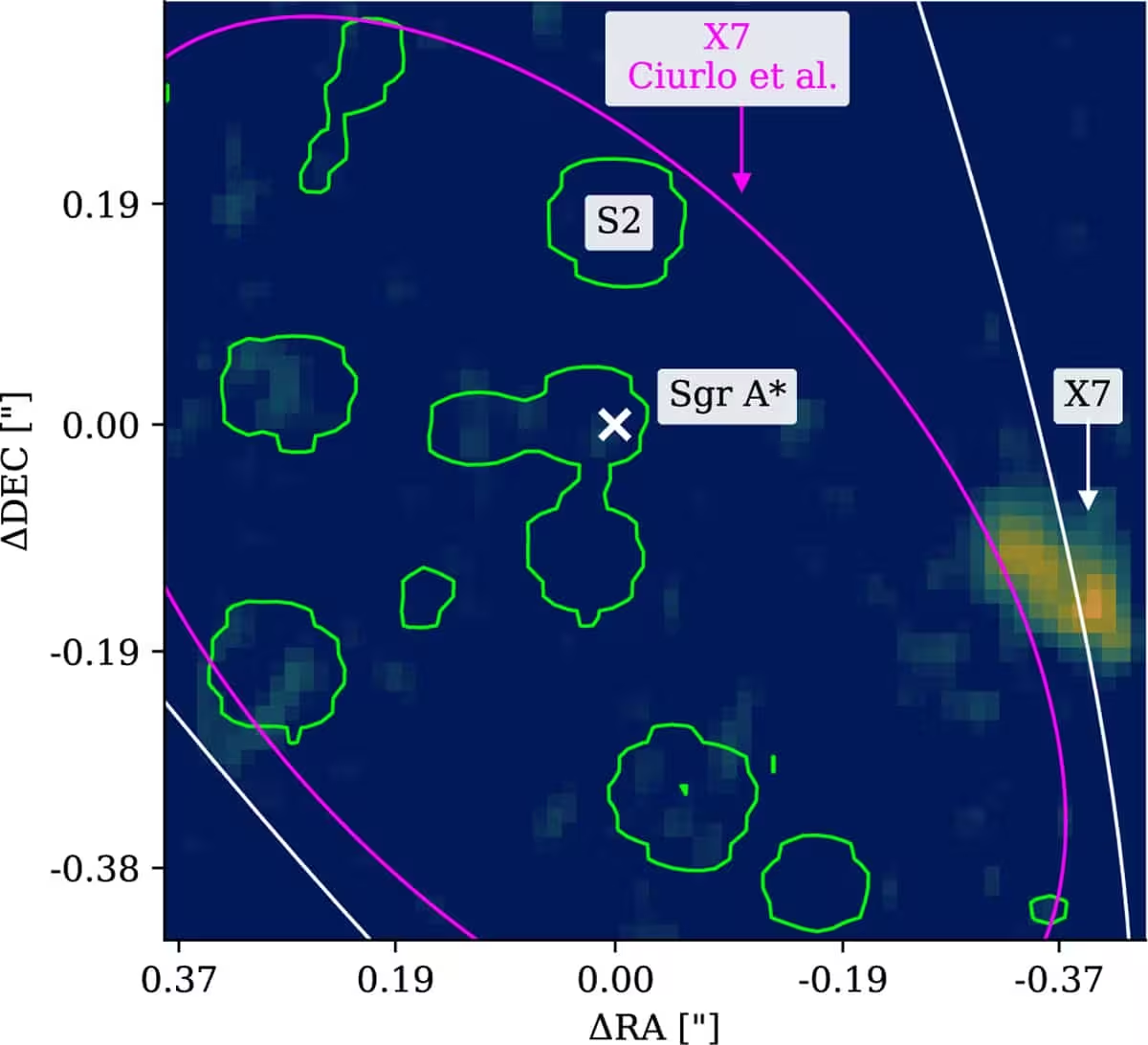
The same stability was observed for the dusty entities labeled X3 and X7. Both continue to follow predictable, non‑disruptive trajectories, reinforcing the notion that these structures can endure the harsh gravitational environment.
A More Complex Galactic Core
These results suggest that the region surrounding Sagittarius A* is not solely a zone of destruction. Instead, the black hole appears to coexist with dust‑rich objects and stellar configurations that can survive, and perhaps even thrive, in its vicinity.
Michal Zajaček of Masaryk University in Brno remarked that the supermassive black hole “has not only the capability to destroy stars but it can also stimulate their formation or the formation of pretty exotic dusty objects, most likely via mergers of stellar binaries.”
The team plans to continue monitoring these objects with ERIS and the forthcoming Extremely Large Telescope (ELT). Ongoing observations aim to clarify how stars and dusty systems can persist under the most extreme conditions found in our galaxy.
This article has been fact checked for accuracy, with information verified against reputable sources. Learn more about us and our editorial process.
Last reviewed on .
Article history
- Latest version
Reference(s)
- “Michal Zajacek.”, August 30, 2021 <https://www.physics.muni.cz/~zajacek/>.
Cite this page:
- Posted by Farah Siddiqui