Protein Long Seen as Protective Unexpectedly Accelerates Aggressive Breast Cancer Progression
A retrospective study of 283 patients reveals that FOXA1 expression independently predicts shorter progression-free survival in triple-negative breast cancer.
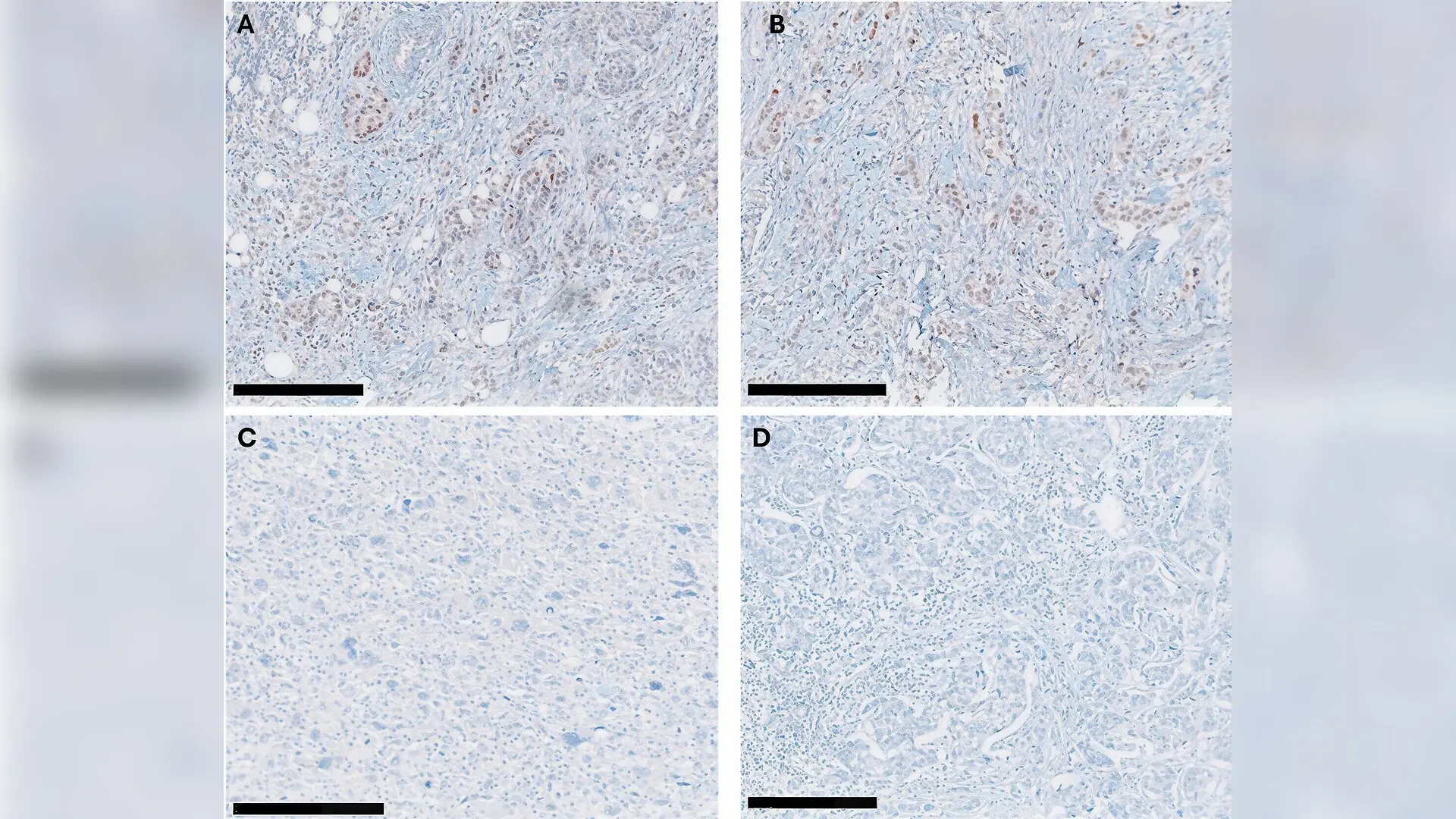
A specific tumor protein long considered a sign of favorable outcomes in common breast cancers actually points toward faster disease progression in aggressive cases, according to a retrospective cohort study.
Triple-negative breast cancer represents the most aggressive form of the disease, lacking the hormone receptors typically targeted by standard therapies. Researchers examined how the transcription factor FOXA1, a protein that helps regulate gene activity, behaves within this hard-to-treat form of cancer. While it usually signals a less aggressive disease in hormone-dependent tumors, the new investigation found a different pattern in patients with the triple-negative subtype.
What the Study of 283 Patients Revealed About Disease Progression
The researchers analyzed clinical data from 283 women diagnosed with triple-negative breast cancer at the Hospital Città della Salute e della Scienza di Torino in Turin, Italy, between 2014 and 2024. All participants had at least four years of clinical follow-up data available for evaluation. Among the cohort, 107 patients, accounting for 37.8 percent, tested positive for FOXA1 expression via immunohistochemistry testing, which uses antibodies to detect specific proteins in tissue samples.
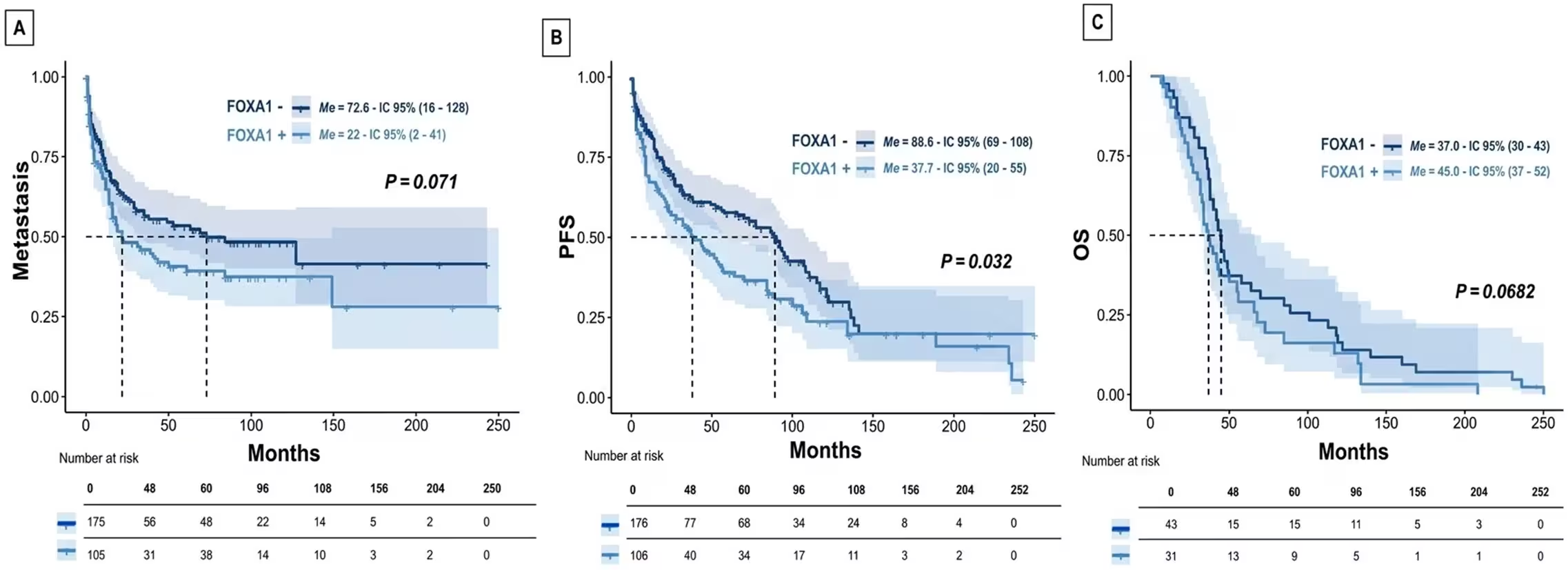
The findings, published in PLOS One, demonstrated that patients with FOXA1-positive tumors experienced a significantly shorter progression-free survival, with a median of 37.7 months, compared to 88.6 months for those whose tumors lacked the protein. Statistical models confirmed that this higher risk of disease progression or death remained independent of standard clinicopathological features and the specific chemotherapy regimens patients received.
How Immune Cells and Androgen Receptors Shape the Tumor Environment
The study also evaluated tumor-infiltrating lymphocytes, which are white blood cells that have migrated into the tumor microenvironment. Interestingly, higher levels of these immune cells were independently linked to an increased risk of distant metastasis, yet they simultaneously showed a strong association with improved overall survival.
Furthermore, FOXA1 positivity strongly correlated with the presence of androgen receptors, which are proteins that bind male hormones. Specifically, the apocrine histological subtype accounted for 17 percent of all FOXA1-positive tumors, compared to just 1 percent in the negative group. This co-expression defines a specific molecular variant known as the luminal androgen receptor subtype.
Limitations and What Needs to Happen Next
While the study relied on a well-characterized patient group with detailed long-term data, the authors noted several limitations. As a single-center retrospective study, the findings might not fully generalize to all patient populations, and treatment standards have continued to evolve since the cohort was initially gathered.
The authors emphasize that prospective, multicenter studies with larger patient groups are necessary to validate these prognostic markers. Confirming how FOXA1 interacts with immune infiltration and hormone receptors could eventually help clinicians tailor targeted treatment strategies for patients with aggressive breast cancer subtypes.
The research was published in PLOS One on November 13, 2026.
This article has been fact checked for accuracy, with information verified against reputable sources. Learn more about us and our editorial process.
Last reviewed on .
Article history
- Latest version
Reference(s)
- Fonseca-Benitez, Angela. “FOXA1 expression and survival outcomes in triple-negative breast cancer: A retrospective cohort study.” PLOS ONE, vol. 21, no. 11, pp. e0362480, doi: 10.1371/journal.pone.0362480. <https://doi.org/10.1371/journal.pone.0362480>.
Cite this page:
- Posted by Hassan Raza