Scientists Create Living Heart Tissue That Generates Its Own Electricity
Researchers have developed a flexible mesh that harvests electricity from beating heart cells, offering a sustainable way to power future medical implants.
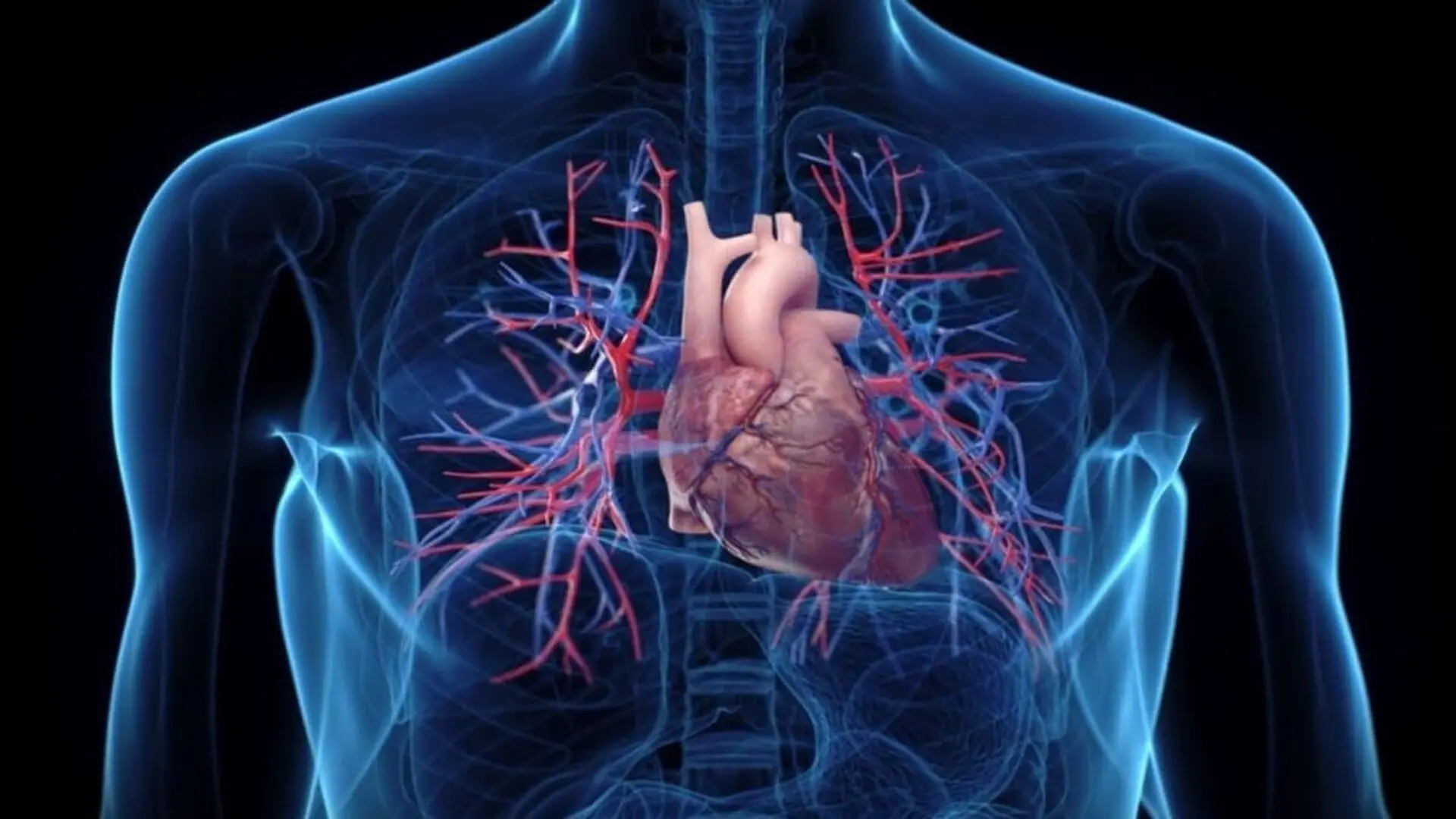
Implantable medical technologies, from cardiac pacemakers to neurological stimulators, are currently tethered to a significant limitation: the battery. Traditional power sources are bulky, require surgical replacement when they deplete, and occupy precious space within the body. As engineers attempt to shrink these devices, they often sacrifice energy capacity, creating a persistent bottleneck in the development of long-term implantable health monitors.
A team of researchers at the University of Massachusetts Amherst is proposing a radical departure from this centralized power model. By moving away from solid-state battery housings that can irritate surrounding tissue, the scientists have developed a biohybrid mesh that integrates directly into living cells, effectively turning organic movement into a power source.
Engineering a Living Power Grid
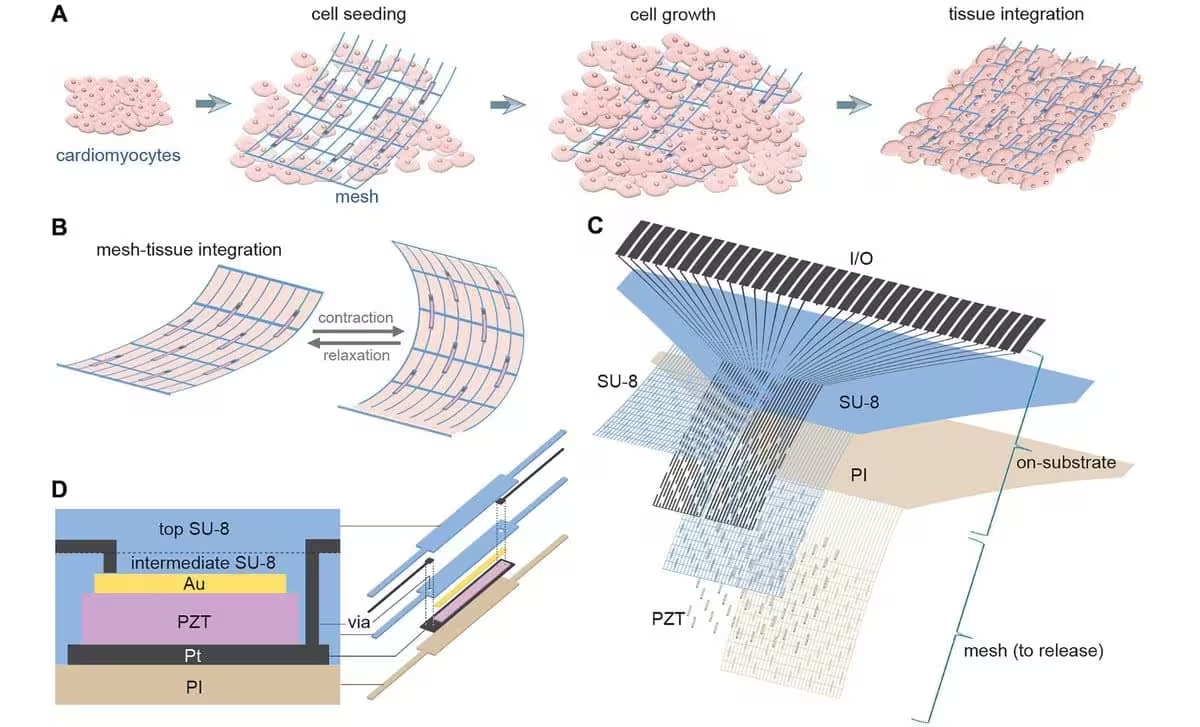
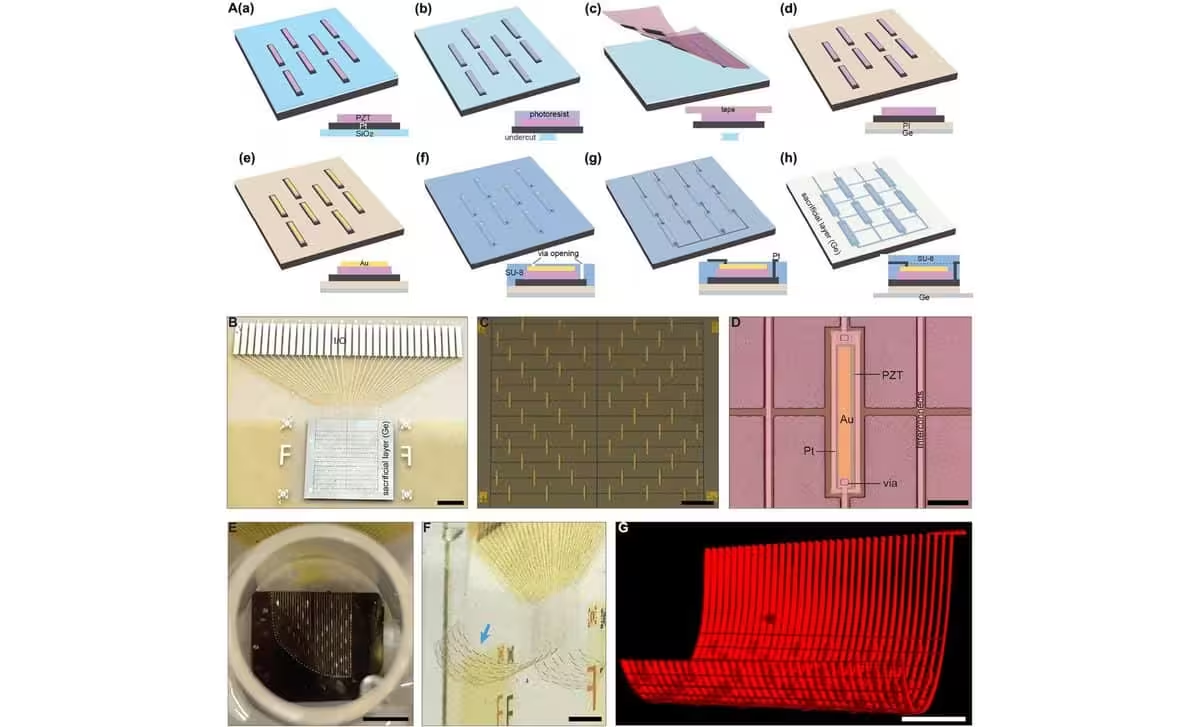
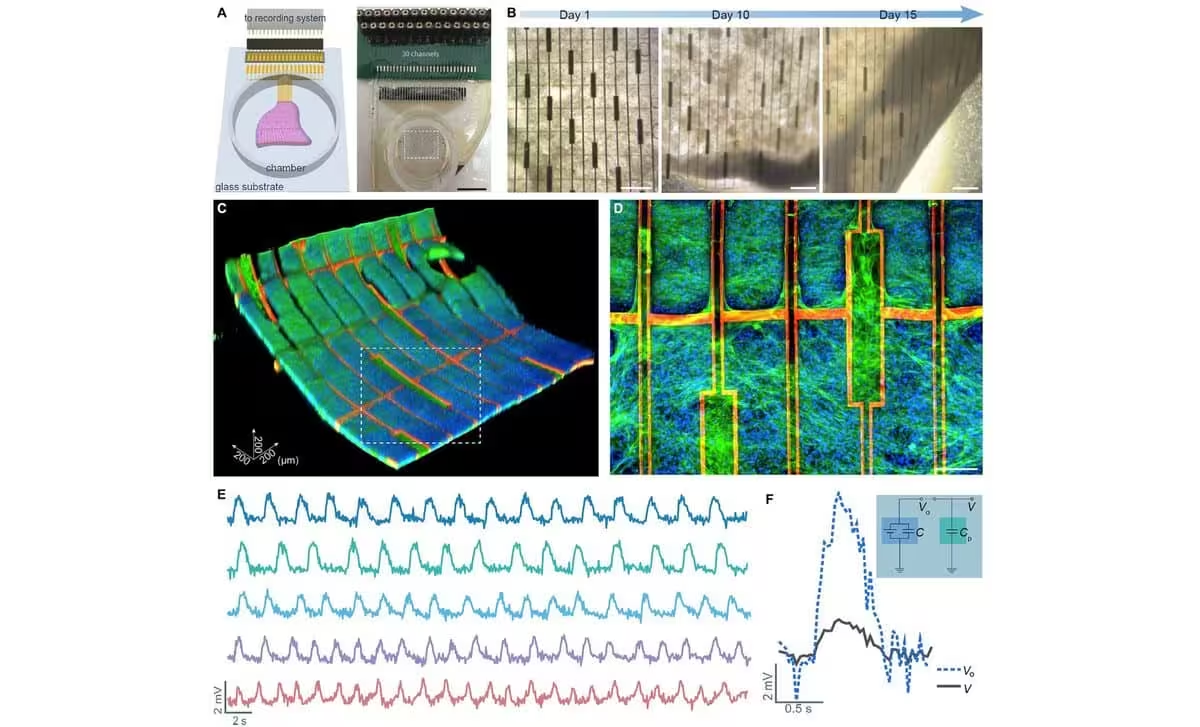
The study, published in Science Advances, details the construction of a micro-scale mesh measuring roughly 7 by 8 millimeters. Led by Ph.D. student Siqi Wang and senior author Jun Yao, an associate professor at the university’s Riccio College of Engineering, the team utilized a network of thin plastic ribbons, designed with 78% open space to allow for cellular infiltration.
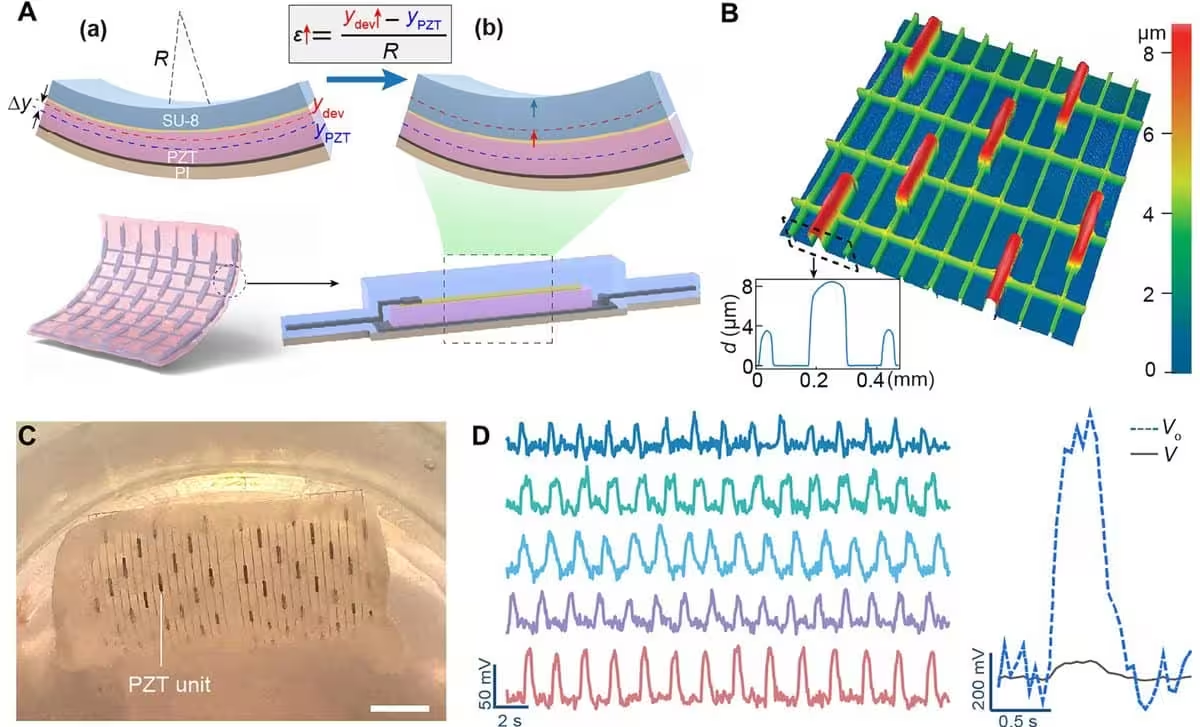
Embedded within these ribbons are 64 tiny strips of lead zirconate titanate (PZT). This ceramic material is piezoelectric, meaning it generates an electrical charge when subjected to mechanical stress. By distributing these generators across the mesh, the researchers moved away from bulky, localized power units, opting instead for a structure that mimics biological systems.
“We wanted to shift this traditional, centralized paradigm to something more distributed and modeled on biology,” Yao explained. As Wang noted, the fundamental inspiration for the project is that “our bodies are 24/7 power plants,” where every cell manages its own energy production.
Converting Heartbeats Into Electricity
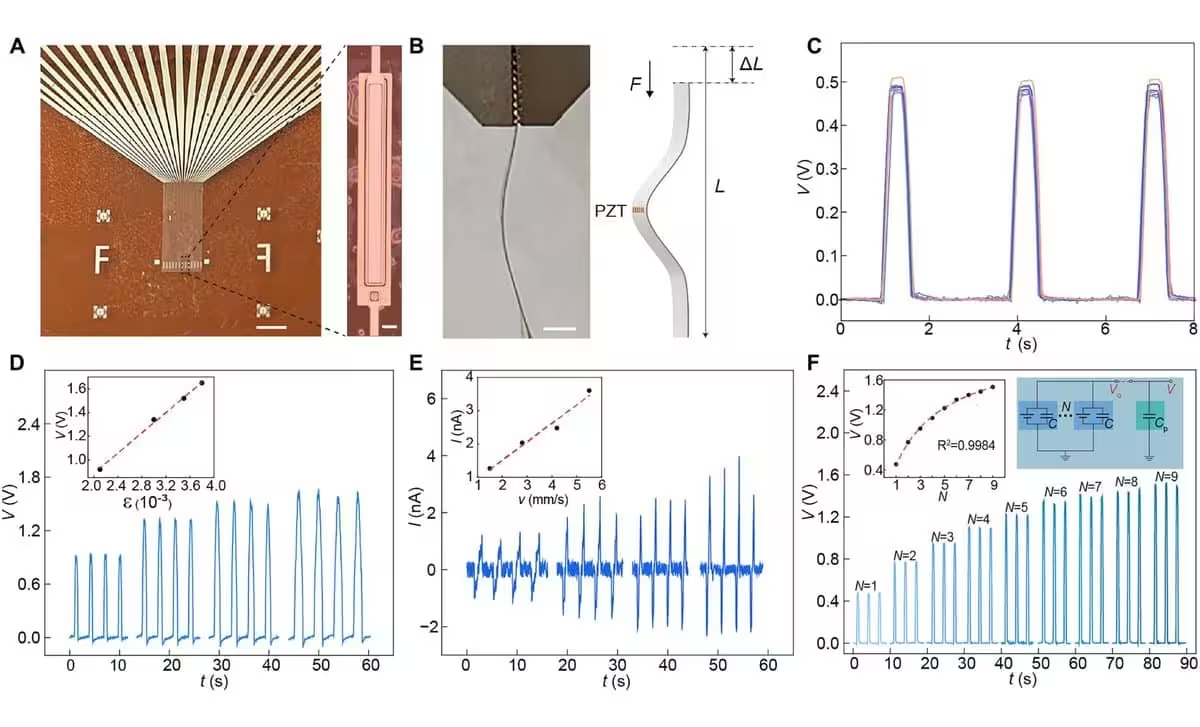
To test the device, the team seeded the mesh with human stem cells that were matured into heart muscle tissue. Over several days, the cells populated the gaps in the plastic mesh, creating a cohesive, beating layer of tissue. As the heart cells contracted, the mesh deformed, triggering the embedded PZT strips to generate measurable electrical pulses synchronized with every beat.
Initially, the output was modest, hampered by the fact that the thin tissue layers were not transferring sufficient mechanical force to the ceramic strips. By adjusting the thickness of the protective coatings and the ceramic components, the researchers successfully increased the energy output to between 450 and 750 millivolts. While the energy generated per heartbeat—approximately 7 trillionths of a joule—is minuscule, the system’s high power-to-volume ratio suggests it is significantly more efficient than previous, bulkier harvesters.
Future Hurdles for Bio-Integrated Power
Despite the successful demonstration of this mechanism in a laboratory dish, the technology remains in its infancy. The mesh has not yet been implanted in a living subject, nor has it been proven to reliably power an actual medical device. Furthermore, the efficiency of energy transfer between the contracting tissue and the synthetic mesh requires optimization to ensure that the device captures enough power to be clinically useful.
The team is also investigating how such a device would interact with the immune system long-term. While they hypothesize that moving to a cellular-scale architecture will minimize the rejection responses typically triggered by large, inert battery housings, this biocompatibility remains to be confirmed in vivo.
Looking ahead, the researchers are exploring methods such as stacking multiple layers of the mesh to boost energy collection from deeper tissue sections. While the path to a self-powering, implantable pacemaker is long, this study marks a significant conceptual shift toward devices that function in harmony with the body’s own biological rhythms.
This article has been fact checked for accuracy, with information verified against reputable sources. Learn more about us and our editorial process.
Last reviewed on .
Article history
- Latest version
Reference(s)
- Wang, Siqi., et al. “A biohybrid mesh harvester for distributed energy harvesting in living tissues.” Science Advances, vol. 12, no. 41, October 9, 2026 American Association for the Advancement of Science (AAAS), doi: 10.1126/sciadv.aei5963. <https://www.science.org/doi/10.1126/sciadv.aei5963>.
- <https://www.umass.edu/engineering/>.
Cite this page:
- Posted by Hassan Raza