Exercise Changes Your Liver in Ways That Depend Entirely on Your Sex
New research reveals that the liver’s response to exercise differs significantly between males and females, highlighting a need for sex-specific health insights.
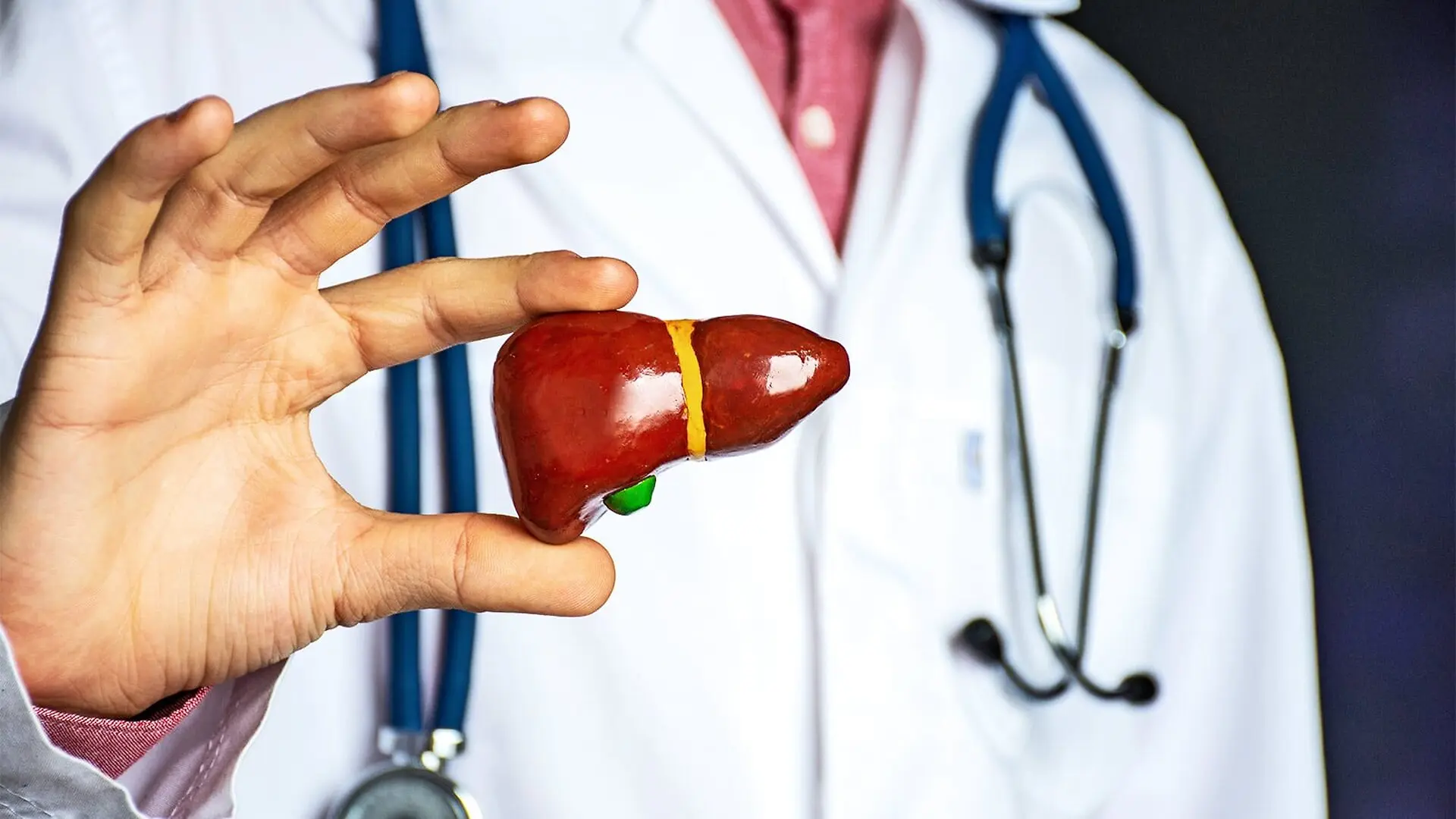
New research reveals that the metabolic impact of physical activity is not uniform across sexes, suggesting that the liver undergoes distinct molecular adjustments in males and females to optimize energy production. While consistent endurance exercise remains a cornerstone of liver health, the underlying cellular pathways recruited to achieve these improvements appear to diverge significantly.
A study published in Cell Reports indicates that while both male and female subjects experienced significant improvements in liver health—including decreased fat accumulation, enhanced cholesterol management, and a reduction in markers of fibrosis—the mechanisms driving these changes differ at the mitochondrial level.
Molecular Divergence in Energy Production
The investigation focused on the Krebs cycle, the fundamental process by which mitochondria generate energy within cells. Researchers discovered that the liver cells of female rats adapted primarily by upregulating the creation of new proteins involved in this energy-producing cycle. In contrast, male rats showed a greater reliance on the chemical modification and remodeling of existing proteins to achieve similar metabolic ends.
Scott Rector, the study’s lead author and an associate dean at the University of Missouri School of Medicine, described the difference as a fundamental shift in strategy. While females prioritize the production of new energy-related proteins, males engage in a structural optimization of proteins already present in the cell. Rector emphasized that these represent nuanced adaptations rather than a hierarchy of efficacy, noting that neither sex possesses a superior pathway.
Implications for Metabolic Disease
The findings offer fresh insight into how exercise effectively combats metabolic dysfunction-associated steatotic liver disease (MASLD), a condition previously known as nonalcoholic fatty liver disease. As global rates of obesity rise, MASLD has become the most prevalent chronic liver condition, with advanced stages posing risks of cirrhosis and liver cancer.
Although both sexes derived health benefits, the data highlighted specific physiological differences in response to training, such as a higher capacity for cholesterol expulsion observed in males. Understanding these sex-specific metabolic “blueprints” could eventually lead to more personalized therapeutic interventions for patients struggling with liver disease.
Moving forward, the research team aims to determine how these distinct cellular energy shifts influence broader metabolic outcomes. The study is part of the broader efforts by the NIH-funded Molecular Transducers of Physical Activity Consortium (MoTrPAC), a massive undertaking designed to map the comprehensive molecular effects of exercise across various human tissues.
Support for this work was provided by the National Institutes of Health Common Fund, with oversight from the National Institute of Diabetes and Digestive and Kidney Diseases, the National Institute of Arthritis and Musculoskeletal Diseases, and the National Institute on Aging.
This article has been fact checked for accuracy, with information verified against reputable sources. Learn more about us and our editorial process.
Last reviewed on .
Article history
- Latest version
Cite this page:
- Posted by Hassan Raza