China Just Drilled 3 Kilometers Into Antarctic Ice to Reach a Long Hidden Lake
Scientists are working to uncover the mystery of what lies hidden inside this unknown space, potentially revealing groundbreaking new discoveries.
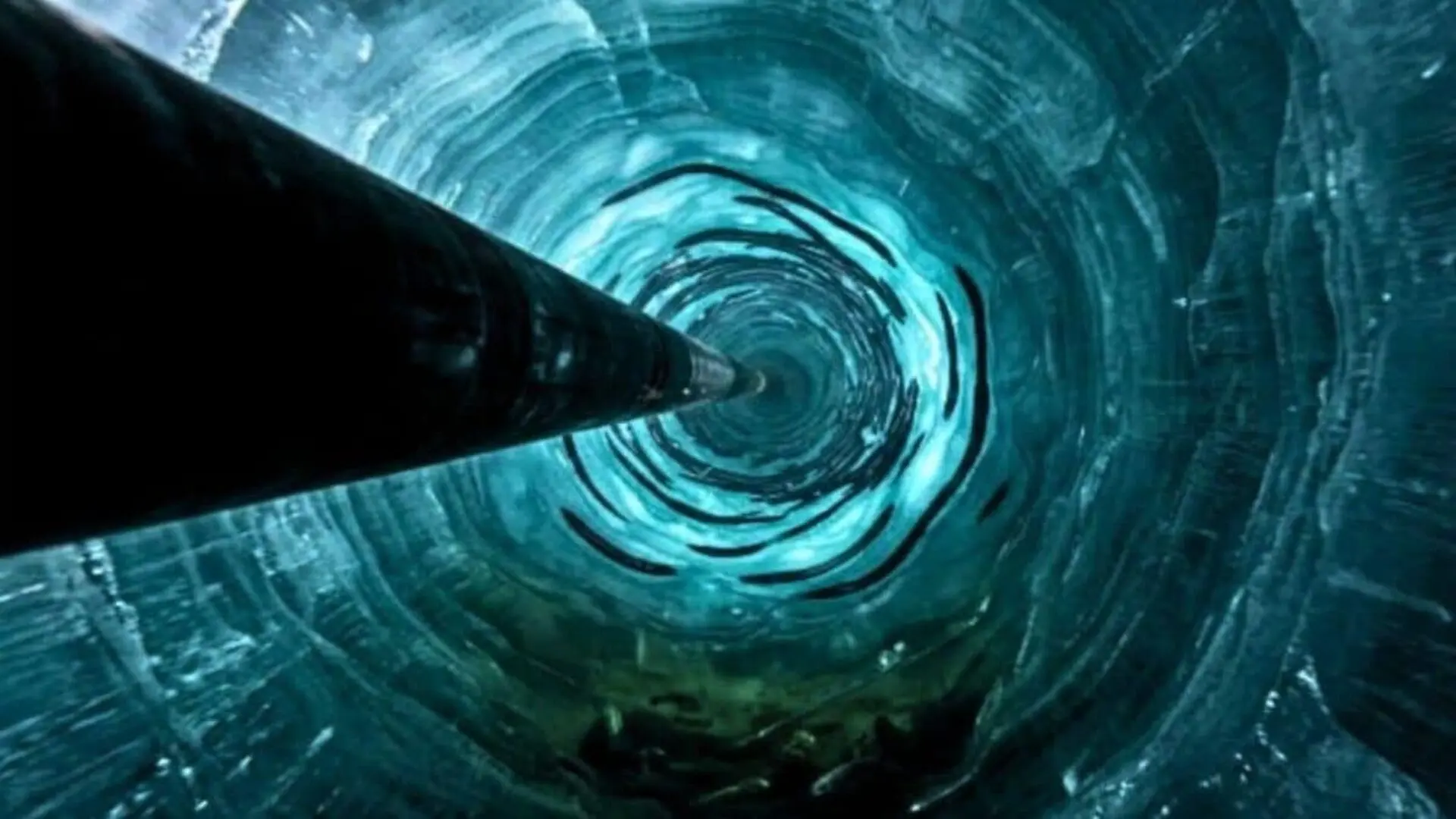
On February 5, a high-pressure stream of near-boiling water carved a path through over three kilometers of Antarctic ice, marking a significant milestone in polar exploration. China’s 42nd Antarctic expedition successfully opened a deep-access shaft to Qilin Subglacial Lake, one of the continent’s most expansive buried water bodies, establishing a new world record in the process.
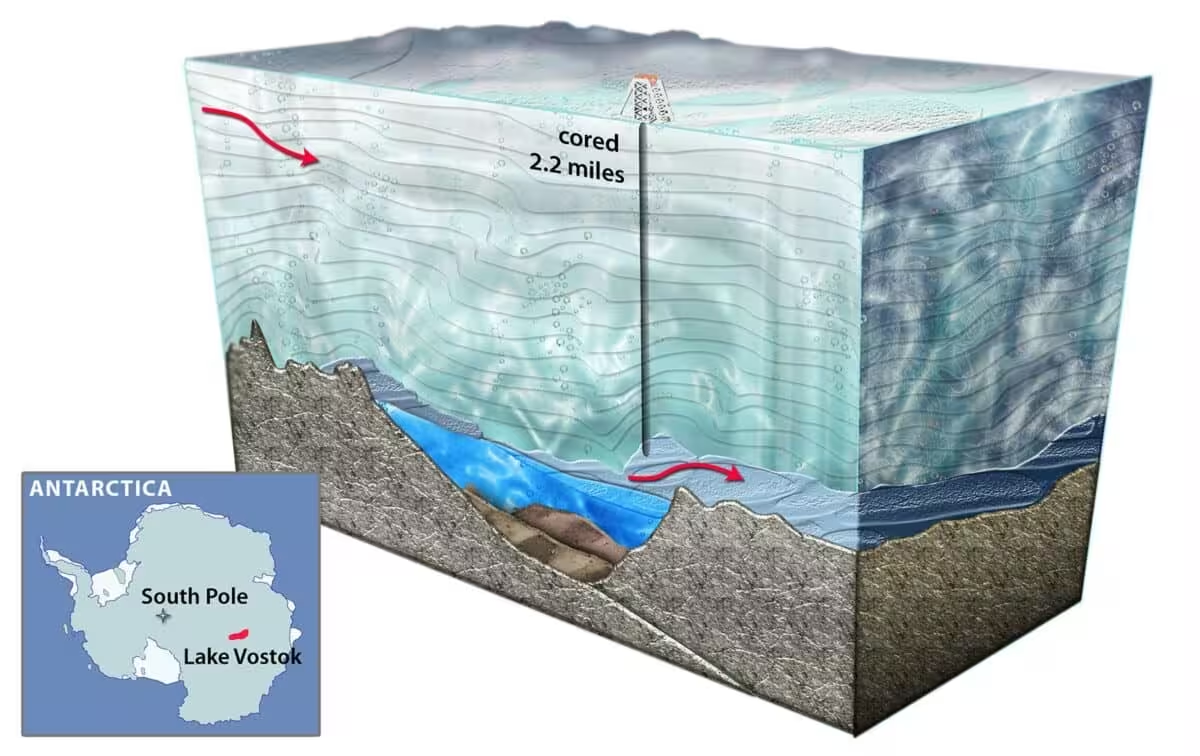
According to China’s Ministry of Natural Resources, the drill reached a depth of 3,413 meters, shattering the previous international benchmark of 2,540 meters. This leap of nearly 900 meters is more than a technical victory; officials suggest it provides the capability to penetrate over 90 percent of the Antarctic ice sheet, as well as the entirety of the Arctic ice sheet.
Located in Princess Elizabeth Land in East Antarctica, approximately 120 kilometers from the Taishan Station, Qilin Subglacial Lake has remained isolated from the surface for millions of years. Buried beneath the ice, the ecosystem exists in a state of perpetual darkness, disconnected from the atmosphere.
Advanced Drilling for Pristine Environments
The mission utilized hot-water drilling rather than traditional mechanical methods. By heating water at the surface and pumping it down at high pressure, the system melts the ice on contact. This method is preferred by researchers for deep-field operations because it is less intrusive to the surrounding ice and offers a more efficient path to subglacial bedrock and water bodies.
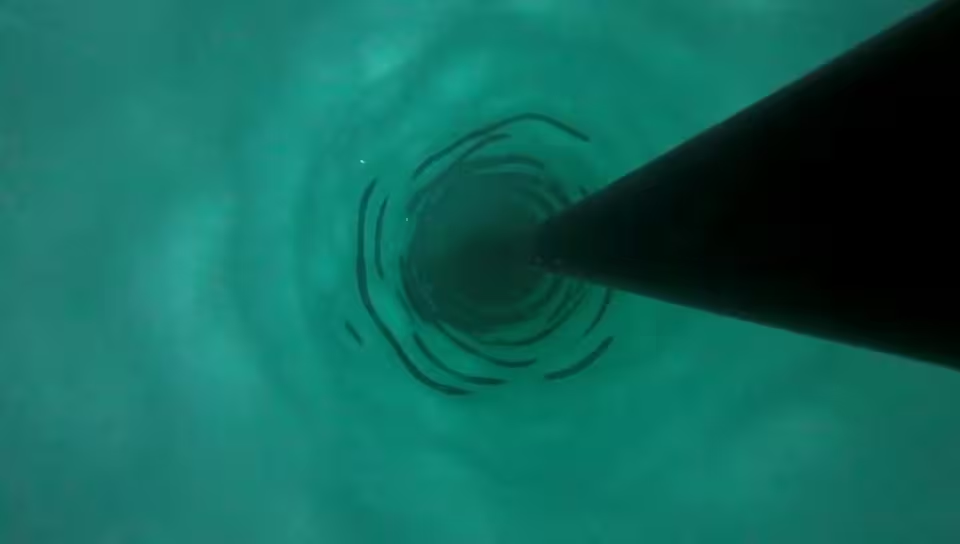
Crucially, this technique allows for a contamination-free pathway. Mechanical drilling risks introducing surface microbes, fuel, or foreign fluids into environments that have been biologically sealed for geological epochs. By maintaining strict control over the drilling process, the team ensures the integrity of the site for future scientific study, avoiding the potential destruction of biological samples that researchers hope to eventually recover.
Unlocking Secrets from Deep Time
While the February operation successfully confirmed the technical feasibility of reaching such extreme depths, it served primarily as an access proof-of-concept rather than a sampling mission. The environment within Qilin Subglacial Lake—characterized by intense pressure, near-freezing temperatures, and a lack of sunlight—remains an enigma. Scientists have yet to determine if the lake harbors microbial life or how its chemical composition has evolved during its long-term isolation.
The study of such environments offers a window into Earth’s historical climate that is unavailable through conventional ice core or ocean sediment analysis. Researchers believe that if microbial life exists in these depths, it could reveal how biology adapts to the most extreme conditions on the planet.
Expanding the Frontier of Polar Science
The success of the drilling program complements China’s ongoing expansion on the East Antarctic Plateau, including the recently established Zhongshan-Taishan Ice Cap Atmospheric and Ocean Observation Station. Having secured a verified access route to the subglacial environment, the next phase of the project involves deploying specialized equipment to gather in-situ observations and retrieve water and lakebed samples.
The implications of this work extend beyond terrestrial research. By refining methods to explore these frozen, isolated environments, scientists are also building a framework for investigating potential subsurface oceans on icy moons like Europa and Enceladus. As planetary scientists look for ways to study life in analogous, extreme conditions elsewhere in the solar system, the data collected from beneath the Antarctic ice sheet may provide the essential blueprint for extraterrestrial exploration.
This article has been fact checked for accuracy, with information verified against reputable sources. Learn more about us and our editorial process.
Last reviewed on .
Article history
- Latest version
Reference(s)
- “3,413 meters: China sets new record in global hot water ice drilling.”, April 7, 2026 CGTN <https://www.chinadaily.com.cn/a/202604/07/WS69d4b485a310d6866eb42049.html>.
- “China sets new record with 3,413-meter hot-water drilling in Antarctic subglacial lake.” <https://www.globaltimes.cn/page/202604/1358349.shtml>.
Cite this page:
- Posted by Hassan Raza