Scientists Discover How The Brain Forces Mice To Seek Out Friends During Danger
New research reveals the neurological process behind how the brain transforms warning signals into a powerful drive to seek out familiar company.
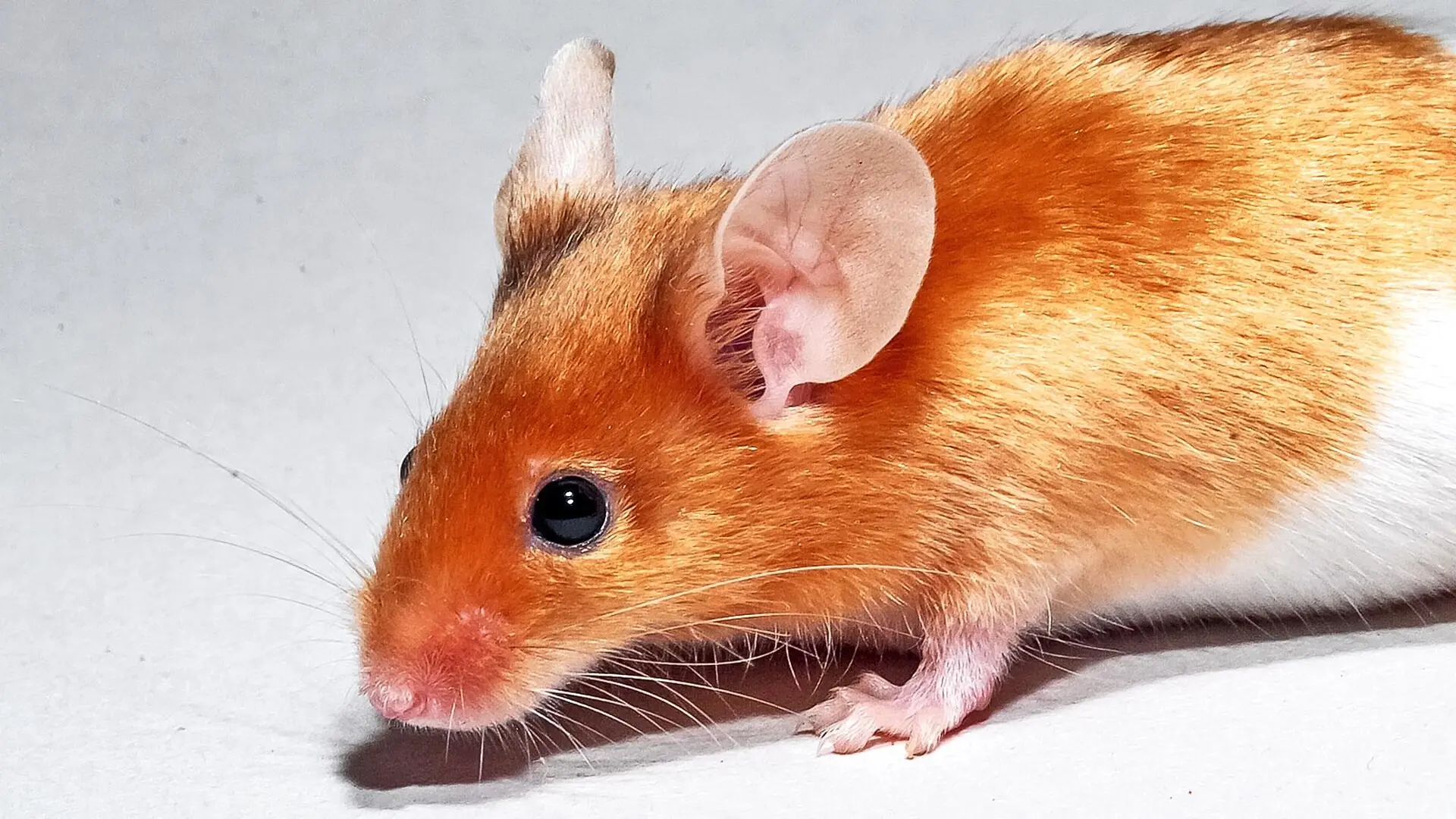
New Research Reveals How the Brain Coordinates Social Bonds During Times of Crisis
When faced with a perceived threat, social animals often seek out the company of those they know best. New research from the Fralin Biomedical Research Institute at Virginia Tech has mapped the neurological pathways that govern this behavior, revealing that the drive to find safety in numbers is a complex, hardwired response that depends heavily on social familiarity.
The study, published in Neuropsychopharmacology, suggests that the brain functions as a gatekeeper during stressful moments, distinguishing between companions who provide comfort and strangers who may be viewed as potential competitors.
The Biology of Seeking Safety
To understand how warning signals trigger social bonding, researchers conditioned individual mice to associate a specific auditory tone with a mild, non-harmful foot shock. After this fear-conditioning phase, the scientists observed the mice in pairs. When the warning tone sounded, mice that had previously lived together immediately moved closer to one another. In contrast, pairs consisting of two strangers showed no such inclination to aggregate.
According to Alexei Morozov, the lead researcher on the project, this behavior is not merely a byproduct of fear-induced freezing—a common, immobile reaction to threats. Instead, the move toward a familiar partner represents an independent social strategy for managing stress. While the mice did not engage in overt behaviors like grooming, the significant decrease in physical distance between them signaled a coordinated effort to seek proximity.
“Mice are territorial, so an unfamiliar mouse of the same sex may seem more like a threat than a source of safety,” Morozov explained. He noted that this dynamic parallels human social behavior, where cooperation is often more readily offered to those within our established social circles, while barriers to cooperation exist with unfamiliar groups.
Unlocking the Neural Circuitry
The research team identified a specific neural pathway that acts as the control center for this social response. By temporarily suppressing communication between the basolateral amygdala—which processes threats—and the ventral hippocampus, which manages social memory, the researchers found they could effectively block the mice from moving toward their companions. Importantly, inhibiting this pathway did not stop the animals from experiencing fear, but it did prevent them from executing the social, protective maneuver.
Further investigation highlighted the role of oxytocin, a chemical messenger often dubbed the “love hormone” for its role in social bonding. Blocking oxytocin receptors similarly disrupted the mice’s ability to seek out their partners in response to the alarm, confirming that this neurochemical is essential for translating a threat signal into a social survival tactic.
Clinical Implications for Human Health
The findings offer a deeper understanding of the interplay between fear-processing centers and the memory banks that define our social world. By identifying how the hippocampus acts as a gatekeeper for these interactions, scientists are gaining a clearer picture of the biological mechanisms that allow organisms to prioritize familiar company during survival-critical events.
Michael Friedlander, executive director of the Fralin Biomedical Research Institute, noted that this mechanistic breakdown is a vital step toward future clinical breakthroughs. “These creative experiments represent much more than just exploring a basic mechanism—they also begin to provide the level of mechanistic understanding that will be essential to develop precise therapies to address neuropsychiatric disorders in which adaptive social interactions in humans are compromised,” Friedlander said.
The study was funded by the National Institutes of Health and the Seale Innovation Fund, marking a significant advancement in understanding the complex neurobiology that dictates how we navigate social environments under duress.
This article has been fact checked for accuracy, with information verified against reputable sources. Learn more about us and our editorial process.
Last reviewed on .
Article history
- Latest version
Reference(s)
- Ito, Wataru., et al. “Proximity in mice induced by an auditory-conditioned stimulus.” Neuropsychopharmacology, vol. 51, no. 10, July 15, 2026, pp. 1836-1843. Springer Science and Business Media LLC, doi: 10.1038/s41386-026-02492-1. <https://doi.org/10.1038/s41386-026-02492-1>.
Cite this page:
- Posted by Hassan Raza