NASA Is Developing Autonomous Tech To Let Moon Rovers Drive Themselves At High Speeds
NASA’s new HI-RATE technology could enable future lunar rovers to navigate hazardous terrain faster and more autonomously than ever before.
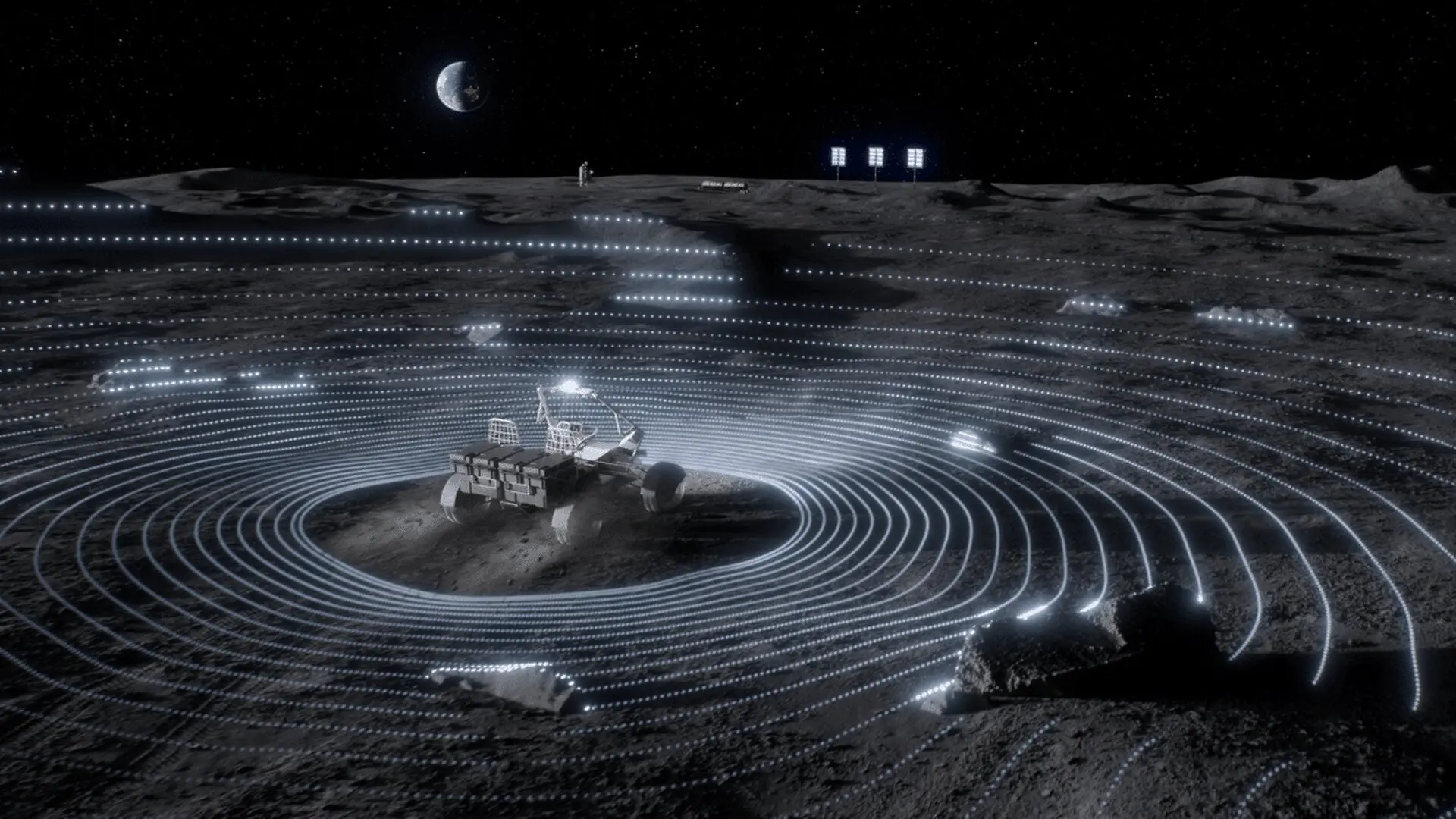
NASA is engineering a sophisticated navigation suite aimed at granting lunar rovers a higher degree of self-sufficiency. The initiative, dubbed High-speed Intelligent Robust Autonomous Terrain Exploration (HI-RATE), seeks to overcome the persistent bottleneck of human-in-the-loop driving, potentially enabling robotic assets to traverse the Moon’s rugged landscape with greater speed and efficiency.
Next-Generation Autonomy for the Lunar Surface
Navigating the Moon is a daunting challenge for traditional autonomous systems. The environment is characterized by treacherous loose regolith, unpredictable crater density, and sharp, rock-strewn terrain. Compounding these hazards are extreme lighting conditions that produce high-contrast, deep shadows, which can blind conventional camera-based navigation systems. By shifting the burden of pathfinding from Earth-based mission control or onboard astronauts to an intelligent, automated system, NASA aims to significantly extend the operational range of future lunar missions.
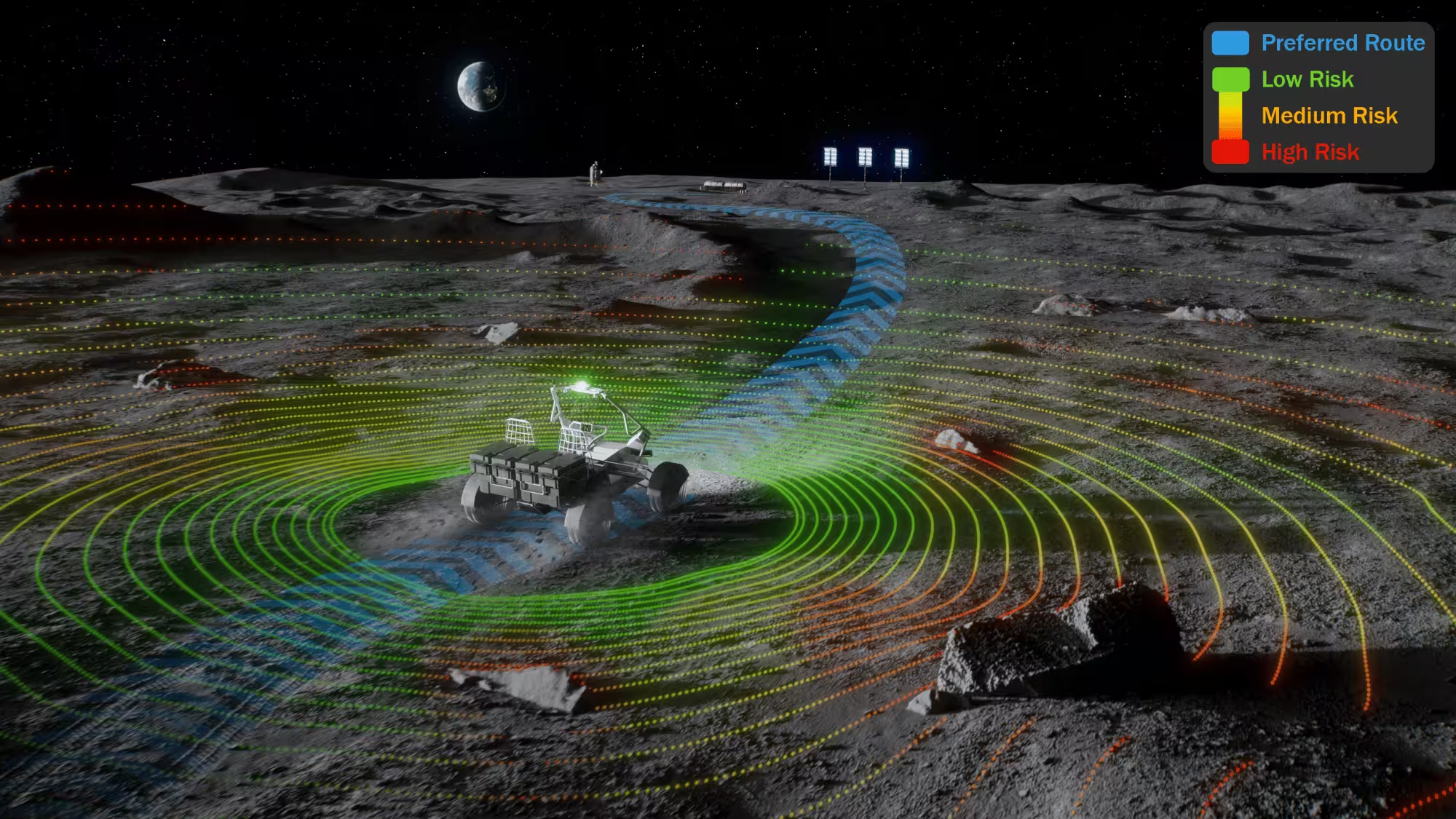
According to official project documentation, the core of HI-RATE lies in its synthesis of advanced software algorithms, high-fidelity sensors, and high-performance onboard computing. This integration allows a vehicle to assess its environment, map safe routes, and execute maneuvers in real-time without requiring constant approval from human operators.
Sensor Fusion and Computing Power
At the heart of the HI-RATE architecture is the strategic use of lidar. By employing laser-based distance measurements, the system can derive precise 3D maps of the surface, allowing rovers to maintain situational awareness even when harsh lighting conditions render optical cameras ineffective. This sensor data feeds into a robust computing framework that calculates the rover’s position and plans paths around obstacles with minimal latency.
The development effort is highly collaborative, drawing on synergies from other specialized programs such as LIDAR LAUNCHER and the High Performance Spaceflight Computing (HPSC) initiative. By pooling these resources, the team is working toward a goal that transcends basic obstacle avoidance; they are building a comprehensive navigation brain capable of translating complex environmental data into consistent, safe, and productive movement.
Redefining Mission Logistics
The implications for future crewed and uncrewed exploration are significant. If successfully deployed, HI-RATE could automate the movement of logistics vehicles between landing sites and lunar bases, or allow scientific rovers to travel between points of interest while astronauts are occupied with other tasks. Such automation is expected to reduce the cognitive load on human crews, freeing them to focus on scientific research and complex mission objectives rather than manual vehicle operations.
While the potential for sustained lunar presence is clear, NASA emphasizes that the project remains in the development and testing phase. The focus is currently on refining the architecture to ensure it is versatile enough to be deployed across a variety of future lunar vehicle platforms.
A Modular Framework for Future Missions
Spearheaded by NASA’s Ames Research Center, the HI-RATE team includes experts from the Jet Propulsion Laboratory and Johnson Space Center under the leadership of principal investigator Matthew Deans. The researchers are utilizing a mix of simulations, dedicated rover testing facilities, and planetary analog field sites to push the technology through its paces.
A primary goal for the team is the creation of a reusable reference architecture. By standardizing how navigation software interacts with various hardware configurations, NASA intends to make it easier for future lunar projects to integrate autonomous capabilities without reinventing the wheel. Although a concrete deployment date has not been finalized, the project is scheduled to receive support through 2028 under the Research and Technology Mission Directorate. As lunar exploration matures, the development of these intelligent, self-reliant vehicles is set to become a cornerstone of long-term activity on the lunar surface.
This article has been fact checked for accuracy, with information verified against reputable sources. Learn more about us and our editorial process.
Last reviewed on .
Article history
- Latest version
Reference(s)
- “HI-RATE.” NASA <https://www.nasa.gov/technology/high-speed-intelligent-robust-autonomous-terrain-exploration/>.
Cite this page:
- Posted by Karan Das